Polyclonal Antibodies
Anti-BCL3 Polyclonal Antibody for WB, IF/ICC, ELISA - P20749
Item Number : CM0014684
Price varies based on specs and customizations
- Application
- WB, IF/ICC, ELISA
- Cross Reactivity
- Human, Mouse, Rat
- Protein Weight
- 48kDa

Shipping:
Contact us to get shipping details Enjoy On-time Dispatch Guarantee.
Why Choose Us
Easy ordering process, quality products, and dedicated support for your business success.
Core Product Specifications and Parameters
| Parameter | Value |
|---|---|
| Product Name | BCL3 Rabbit pAb |
| Remarks/Alias | BCL4; D19S37; BCL3 |
| Species | Human |
| GeneID (Human) | 602 |
| GeneID | 602 |
| Immunogen | Synthetic peptide corresponding to a sequence within amino acids 300-400 of human BCL3 (NP_005169.2) |
| Source | Rabbit |
| Category | Polyclonal Antibodies |
| Application | WB, IF/ICC, ELISA |
| Cross Reactivity | Human, Mouse, Rat |
| SWISS | P20749 |
| Protein Weight | 48kDa |
| Shipping | Ice bag |
Biological Background: BCL3 Function and Localization
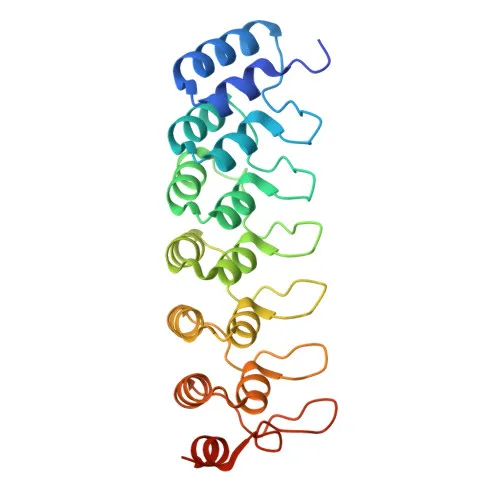
- BCL3 (B-cell lymphoma 3 protein, also known as BCL4 or D19S37) is a proto-oncogene and member of the IκB family, characterized by ankyrin repeat domains that mediate protein-protein interactions.
- It functions as a critical regulator of NF-κB signaling: in the cytoplasm, BCL3 inhibits nuclear translocation of the p50 subunit, while in the nucleus, it acts as a transcriptional coactivator to promote NF-κB target gene expression.
- Through this dual regulatory mechanism, BCL3 contributes to the control of cell proliferation, survival, and immune responses, linking it to oncogenic processes.
- Subcellular localization is dynamic; BCL3 can be found in the cytoplasm (often perinuclear) and the nucleus, shuttling between compartments to modulate gene transcription.
- The protein undergoes post-translational modifications including phosphorylation and ubiquitination (Ubl conjugation), which may impact its stability, localization, and activity.
- Chromosomal rearrangements involving the BCL3 locus are associated with certain B-cell leukemias/lymphomas, underscoring its role in hematologic malignancies.
- Keywords for P20749 include: Activator, ANK repeat, Chromosomal rearrangement, Cytoplasm, Nucleus, Phosphoprotein, Proto-oncogene, Repressor, Transcription regulation, Ubl conjugation.
Experimental Guidance and Technical Tips
- The immunogen corresponds to a C-terminal region (aa 300-400) of human BCL3, which may recognize full-length endogenous protein as well as isoforms containing this region. Verify cross-reactivity with mouse/rat BCL3 in the target sample system.
- For Western blotting, a band around 48 kDa is expected. Use appropriate positive controls (e.g., HEK293, HeLa lysates) and consider nuclear/cytoplasmic fractionation to enrich signal.
- In immunofluorescence/ICC, include controls for nuclear vs. cytoplasmic staining, as BCL3 localization can vary. Use permeabilization parameters optimized for nuclear proteins.
- For ELISA, the antibody may be used for capture or detection; perform pilot titration experiments to determine optimal working concentration.
- Since BCL3 expression can be context-dependent, consider stimulation with NF-κB activators (e.g., TNF-α, PMA/ionomycin) to upregulate protein levels in certain cell types.
CamelBio: Your One-Stop Sourcing Bridge
CamelBio streamlines procurement for diagnostic manufacturers and research labs by providing a comprehensive portfolio of IVD raw materials, including validated antibody pairs, optimized monoclonal/polyclonal antibodies, and bulk ancillary reagents. For BCL3-related research and assay development, we support the supply of high-quality antibodies and related recombinant proteins. Our one-stop approach bridges the gap from discovery to clinical application, helping you accelerate development with reliable, traceable raw materials.
REQUEST A QUOTE
Our professional team will reply to you within one business day. Please feel free to contact us!