Polyclonal Antibodies
Anti-BCCIP Polyclonal Antibody for WB, IHC-P, ELISA - Q9P287
Item Number : CM0028575
Price varies based on specs and customizations
- Application
- WB, IHC-P, ELISA
- Cross Reactivity
- Human, Mouse, Rat
- Protein Weight
- 36kDa

Shipping:
Contact us to get shipping details Enjoy On-time Dispatch Guarantee.
Why Choose Us
Easy ordering process, quality products, and dedicated support for your business success.
Core Product Specifications and Parameters
| Parameter | Value |
|---|---|
| Product Name | BCCIP Rabbit pAb |
| Remarks/Alias | TOK1; TOK-1; BCCIP |
| Species | Human |
| GeneID (Human) | 56647 |
| GeneID | 56647 |
| Immunogen | Recombinant fusion protein containing a sequence corresponding to amino acids 1-314 of human BCCIP (NP_510868.1) |
| Source | Rabbit |
| Category | Polyclonal Antibodies |
| Application | WB, IHC-P, ELISA |
| Cross Reactivity | Human, Mouse, Rat |
| SWISS | Q9P287 |
| Protein Weight | 36kDa |
| Shipping | Ice bag |
Biological Background: BCCIP Function and Localization
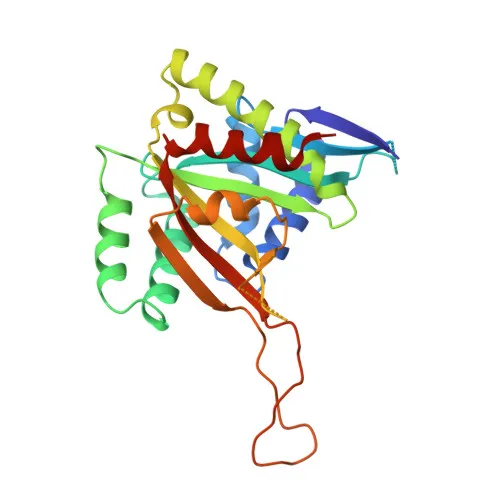
- BCCIP (BRCA2 and CDKN1A-interacting protein), also known as TOK-1, exists as at least two isoforms (isoform 2/alpha and isoform 1/beta) produced by alternative splicing.
- During interphase, BCCIP is required for microtubule organizing and anchoring activities; during mitosis, it is required for the organization and stabilization of the spindle pole, with isoform 2/alpha being particularly important for these processes (PubMed:28394342). Related references: PMID:28394342
- BCCIP may promote cell cycle arrest by enhancing the inhibition of CDK2 activity by CDKN1A.
- BCCIP may be required for repair of DNA damage by homologous recombination in conjunction with BRCA2, though it is likely not involved in non-homologous end joining (NHEJ).
- BCCIP localizes to the nucleus, cytoplasm, centrosome, and spindle pole, reflecting its roles in cell cycle control and DNA repair.
- BCCIP is a phosphoprotein, as identified by proteomics, and is broadly expressed with highest levels in testis and skeletal muscle and lower levels in brain, heart, kidney, liver, lung, ovary, pancreas, placenta, and spleen.
- Keywords associated with BCCIP include 3D-structure, alternative splicing, cell cycle, cytoplasm, cytoskeleton, DNA damage, DNA repair, nucleus, and phosphoprotein.
Experimental Guidance and Technical Tips
- The immunogen is a recombinant protein spanning amino acids 1–314 of human BCCIP (NP_510868.1). As a polyclonal antibody, it likely recognizes multiple epitopes across this sequence, and may detect both major isoforms.
- For Western blot (WB), a band at approximately 36kDa is predicted; consider using appropriate positive controls (e.g., testis or skeletal muscle lysates) and validate the detection in your system.
- IHC-P and ELISA applications are listed; optimize antigen retrieval and antibody dilutions empirically for tissue or plate-based assays, and include appropriate isotype and omission controls.
- Cross‑reactivity with mouse and rat BCCIP is reported, enabling studies in rodent models; confirm specificity in your model species if using alternative sample types.
CamelBio: Your One-Stop Sourcing Bridge
CamelBio provides diagnostic manufacturers, laboratories, and research institutes with streamlined access to high-quality IVD raw materials and technical expertise. This anti-BCCIP polyclonal antibody supports investigations into DNA repair, cell cycle regulation, and centrosome biology. Beyond this product, CamelBio offers validated antibody pairs, optimized monoclonal and polyclonal reagents, and custom sourcing for rare targets, enabling you to accelerate assay development from concept to clinic.
REQUEST A QUOTE
Our professional team will reply to you within one business day. Please feel free to contact us!