Polyclonal Antibodies
Anti-BANP Polyclonal Antibody for WB, ELISA - Q8N9N5
Item Number : CM0030203
Price varies based on specs and customizations
- Application
- WB, ELISA
- Cross Reactivity
- Human, Mouse
- Protein Weight
- 56kDa

Shipping:
Contact us to get shipping details Enjoy On-time Dispatch Guarantee.
Why Choose Us
Easy ordering process, quality products, and dedicated support for your business success.
Core Product Specifications and Parameters
| Parameter | Value |
|---|---|
| Product Name | BANP Rabbit pAb |
| Remarks/Alias | BEND1; SMAR1; SMARBP1; BANP |
| Species | Human |
| Gene ID (Human) | 54971 |
| Gene ID | 54971 |
| Immunogen | Recombinant protein|Recombinant fusion protein containing a sequence corresponding to amino acids 1-260 of human BANP (NP_060339.2) |
| Source | Rabbit |
| Category | Polyclonal Antibodies |
| Application | WB, ELISA |
| Cross Reactivity | Human, Mouse |
| SWISS | Q8N9N5 |
| Protein Weight | 56kDa |
| Shipping | Ice bag |
Biological Background: BANP Function and Localization
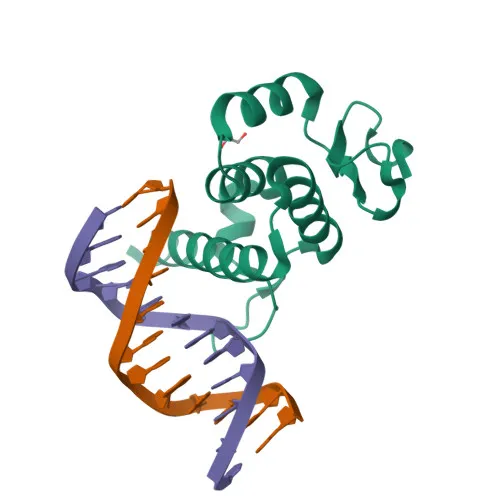
- BANP (BEN domain-containing protein 1, SMAR1) is a nuclear protein that functions as a tumor suppressor and transcriptional repressor, controlling V(D)J recombination, cell cycle progression, and alternative splicing.
- It represses T-cell receptor (TCR) beta enhancer function by binding to scaffold/matrix attachment region beta (S/MARbeta), thereby regulating V(D)J recombination during T-cell development.
- BANP represses cyclin D1 transcription by recruiting HDAC1 to its promoter, leading to reduced histone acetylation and cell cycle arrest. Related references: PMID:16166625
- It promotes TP53 activation, causing cell cycle arrest, and plays a role in alternative splicing by binding to CD44 pre-mRNA and negatively regulating the inclusion of proximal variable exons v2-v6. Related references: PMID:26080397
- Subcellular localization includes nucleus, nuclear speckles, and cytoplasm, consistent with its functions in transcription regulation and RNA processing.
- Down-regulated in breast cancer cell lines, supporting its tumor suppressor role. Post-translational modifications include acetylation, phosphorylation, and ubiquitination.
- Contains a BEN domain and is categorized under keywords including chromatin regulator, DNA-binding, RNA-binding, and developmental protein.
Experimental Guidance and Technical Tips
- The immunogen covers the N-terminal region (aa 1-260) which includes the BEN domain; this region is conserved, so consider testing cross-reactivity with other species.
- For Western blotting, use nuclear extracts from human or mouse T-cell lines (e.g., Jurkat) to enrich BANP signal, given its nuclear localization.
- Validate antibody specificity by comparing lysates from BANP-overexpressing versus knockdown cells, or by using control tissues with known expression levels.
- ELISA applications may benefit from coating with the recombinant immunogen fragment to optimize detection sensitivity.
CamelBio: Your One-Stop Sourcing Bridge
CamelBio serves as a comprehensive one-stop partner for IVD raw material procurement, supplying validated antibody pairs, optimized polyclonal antibodies, and bulk ancillary reagents. Our BANP antibody aids researchers studying T-cell development, chromatin regulation, and tumor suppression. We also excel in sourcing rare-target raw materials, ensuring a seamless and reliable supply chain from concept to clinical application.
REQUEST A QUOTE
Our professional team will reply to you within one business day. Please feel free to contact us!