Monoclonal Antibodies
Anti-BANF1 Rabbit Monoclonal Antibody for WB, IHC-P, IF/ICC, ELISA - O75531
Item Number : CM0005777
Price varies based on specs and customizations
- Application
- WB, IHC-P, IF/ICC, ELISA
- Cross Reactivity
- Human, Mouse, Rat
- Protein Weight
- 10kDa

Shipping:
Contact us to get shipping details Enjoy On-time Dispatch Guarantee.
Why Choose Us
Easy ordering process, quality products, and dedicated support for your business success.
Core Product Specifications and Parameters
| Parameter | Value |
|---|---|
| Product Name | BANF1 Rabbit mAb |
| Remarks/Alias | BAF; NGPS; BCRP1; D14S1460; BANF1 |
| Species | Human |
| GeneID (human) | 8815 |
| GeneID | 8815 |
| Immunogen | Synthetic Peptide|A synthetic peptide corresponding to a sequence within amino acids 1-89 of human BANF1 (O75531) |
| Source | Rabbit |
| Category | Monoclonal Antibodies |
| Application | WB, IHC-P, IF/ICC, ELISA |
| Cross Reactivity | Human, Mouse, Rat |
| SWISS | O75531 |
| Protein Weight | 10kDa |
| Shipping | Ice bag |
Biological Background: BANF1 (Barrier-to-autointegration factor) Function and Localization
-
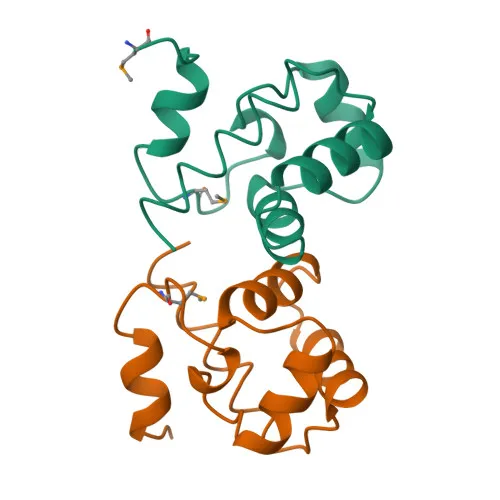
Barrier-to-autointegration factor (BANF1), also known as breakpoint cluster region protein 1, is a non-specific DNA-binding protein encoded by the BANF1 gene. It plays key roles in mitotic nuclear reassembly, chromatin organization, DNA damage response, gene expression, and intrinsic immunity against foreign DNA. Related references: PMID:10908652, PMID:11792822, PMID:12163470
-
It contains two non-specific double-stranded DNA (dsDNA)-binding sites that promote DNA cross-bridging, essential for its chromatin architectural functions. Related references: PMID:9465049
-
At mitotic exit, BANF1 drives nuclear membrane reformation by transiently cross-bridging anaphase chromosomes, forming a dense chromatin network that restricts membranes to the chromosome surface. Related references: PMID:28841419
-
It negatively regulates innate immune activation by outcompeting CGAS for DNA binding upon loss of nuclear membrane integrity, thereby preventing CGAS-mediated autoinflammatory responses. Related references: PMID:32792394
-
In the DNA damage response, BANF1 interacts with PARP1 under oxidative stress, inhibiting PARP1's ADP-ribosyltransferase activity. Additionally, it recognizes exogenous dsDNA in the cytosol immediately after endosome breakdown to prevent autophagy, and in poxvirus infection, it blocks viral DNA replication. Related references: PMID:31796734, PMID:25991860, PMID:18005698
-
Retroviruses exploit BANF1 to inhibit autointegration, promoting integration of viral DNA into the host genome. Both BAF and emerin (EMD) serve as cofactors for HIV-1 infection. Related references: PMID:11005805, PMID:16680152, PMID:9465049
-
BANF1 localizes to the nucleus, chromosomes, nuclear envelope, and cytoplasm. It is widely expressed in tissues including colon, brain, heart, kidney, liver, lung, ovary, pancreas, placenta, prostate, skeletal muscle, small intestine, spleen, and testis, but absent from thymus and peripheral blood leukocytes.
-
The protein undergoes acetylation and phosphorylation, and mutations are linked to Nestor-Guillermo progeria syndrome (NGPS) and osteoporosis.
Experimental Guidance and Technical Tips
- As a rabbit monoclonal antibody, this anti-BANF1 clone provides consistent specificity and low background in immunoassays. For Western blot, a band of ~10 kDa is expected; ensure the use of a high-percentage gel (e.g., 15%) and optimize transfer conditions for small proteins.
- For immunohistochemistry (IHC-P), antigen retrieval (e.g., heat-induced epitope retrieval in citrate buffer pH 6.0) may be required; validate in the relevant tissue system.
- In immunofluorescence (IF/ICC), permeabilization with Triton X-100 or similar is recommended to allow antibody access to nuclear antigens.
- For ELISA, this antibody may serve as a capture or detection reagent; perform pairing experiments to confirm compatibility with your antigen.
- Positive controls: HeLa, HEK293 (human), NIH/3T3 (mouse), or NRK (rat) cell lysates.
- Given cross-reactivity with mouse and rat, it is suitable for model organism studies; however, target protein expression levels and epitope conservation should be confirmed.
- Store at -20°C upon receipt; avoid repeated freeze-thaw cycles to maintain activity.
CamelBio: Your One-Stop Sourcing Bridge
CamelBio serves as a comprehensive IVD raw-material sourcing partner, offering validated antibody pairs, optimized monoclonal antibodies like this anti-BANF1 clone, and bulk ancillary reagents for chromatin biology, viral integration, and DNA damage research. We also support rare target raw-material sourcing and custom development to meet your specific needs from concept to clinic.
Product Datasheet
Anti-BANF1 Rabbit Monoclonal Antibody for WB, IHC-P, IF/ICC, ELISA - O75531
REQUEST A QUOTE
Our professional team will reply to you within one business day. Please feel free to contact us!