Polyclonal Antibodies
Anti-BAF60a Polyclonal Antibody for WB, IHC-P, ELISA - Q96GM5
Item Number : CM0028323
Price varies based on specs and customizations
- Application
- WB, IHC-P, ELISA
- Cross Reactivity
- Human, Mouse, Rat
- Protein Weight
- 58kDa

Shipping:
Contact us to get shipping details Enjoy On-time Dispatch Guarantee.
Why Choose Us
Easy ordering process, quality products, and dedicated support for your business success.
Core Product Specifications and Parameters
| Parameter | Value |
|---|---|
| Product Name | BAF60a Rabbit pAb |
| Remarks/Alias | Baf60a; D15Kz1; BAF60a |
| Species | Mouse |
| GeneID (Human) | 6602 |
| GeneID | 83797 |
| Immunogen | Recombinant fusion protein containing a sequence corresponding to amino acids 1-120 of mouse BAF60a (NP_114030.2). |
| Source | Rabbit |
| Category | Polyclonal Antibodies |
| Application | WB, IHC-P, ELISA |
| Cross Reactivity | Human, Mouse, Rat |
| SWISS | Q96GM5 |
| Protein Weight | 58kDa |
| Shipping | Ice bag |
Biological Background: BAF60a Function and Localization
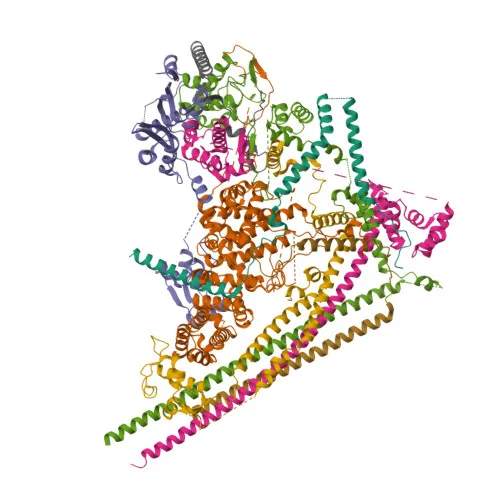
- BAF60a (also known as SMARCD1 or BRG1-associated factor 60A) is a core subunit of ATP-dependent SWI/SNF chromatin remodeling complexes, which alter DNA-histone contacts to regulate gene transcription. Related references: PMID:8804307, PMID:29374058
- It is a critical component of neural progenitors-specific (npBAF) and neuron-specific (nBAF) chromatin remodeling complexes, playing a key role in the switch from stem/progenitor self-renewal to postmitotic neuronal differentiation.
- BAF60a mediates interactions between nuclear receptors, such as the vitamin D receptor (VDR), and the BRG1/SMARCA4 remodeling ATPase, thereby facilitating hormone-dependent transactivation. Related references: PMID:12917342, PMID:14698202
- The protein is predominantly localized in the nucleus, consistent with its role in chromatin regulation.
- BAF60a is ubiquitously expressed across human tissues including brain, heart, kidney, liver, lung, muscle, pancreas, and placenta.
- Post-translational modifications such as acetylation, methylation, phosphorylation, and ubiquitination suggest dynamic regulation of its activity.
- Mutations in SMARCD1 are linked to intellectual disability, underscoring its importance in neurodevelopment.
Experimental Guidance and Technical Tips
- The immunogen corresponds to the N-terminal region (aa 1–120) of mouse BAF60a, which is highly conserved across human, mouse, and rat; this conservation likely contributes to the broad cross-reactivity.
- For Western blot, expect a band at approximately 58 kDa. Consider validating with lysates from brain or other relevant tissues where BAF60a is expressed.
- In immunohistochemistry (paraffin), antigen retrieval conditions may need optimization. Nuclear staining is anticipated; include appropriate controls.
- For ELISA, recombinant protein or peptide coating may be used; ensure proper positive and negative controls to assess specificity.
CamelBio: Your One-Stop Sourcing Bridge
CamelBio serves as a dedicated one-stop sourcing platform for IVD raw materials, offering validated antibody pairs, optimized monoclonal and polyclonal antibodies, bulk ancillary reagents, and customized rare-target procurement. This anti-BAF60a polyclonal antibody supports research into chromatin remodeling and neurodevelopmental disorders, with CamelBio ensuring seamless access to the full spectrum of reagents required from discovery to clinical application.
REQUEST A QUOTE
Our professional team will reply to you within one business day. Please feel free to contact us!