Polyclonal Antibodies
Anti-Bad Rabbit Polyclonal Antibody for WB, IF/ICC, ELISA - Q92934
Item Number : CM0014862
Price varies based on specs and customizations
- Application
- WB, IF/ICC, ELISA
- Cross Reactivity
- Human, Mouse, Rat
- Protein Weight
- 18kDa

Shipping:
Contact us to get shipping details Enjoy On-time Dispatch Guarantee.
Why Choose Us
Easy ordering process, quality products, and dedicated support for your business success.
Core Product Specifications and Parameters
| Parameter | Value |
|---|---|
| Product Name | Bad Rabbit pAb |
| Remarks/Alias | BBC2; BCL2L8; Bad |
| Species | Human |
| Gene ID (Human) | 572 |
| Gene ID | 572 |
| Immunogen | Synthetic peptide|A synthetic peptide corresponding to a sequence within amino acids 50-150 of human Bad (NP_004313.1). |
| Source | Rabbit |
| Category | Polyclonal Antibodies |
| Application | WB, IF/ICC, ELISA |
| Cross Reactivity | Human, Mouse, Rat |
| SWISS | Q92934 |
| Protein Weight | 18kDa |
| Shipping | Ice bag |
Biological Background: Bad Function and Localization
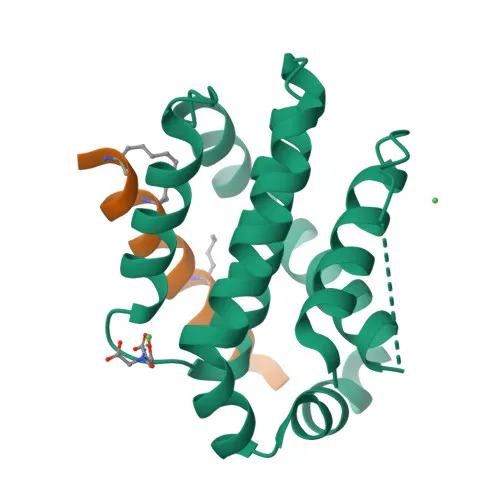
- Bad (Bcl2-associated agonist of cell death) is a pro-apoptotic member of the Bcl-2 protein family, also known as BBC6, BCL2L8, and Bcl-xL/Bcl-2-associated death promoter.
- It promotes apoptosis by competing for binding to anti-apoptotic Bcl-2 family members (Bcl-X(L), Bcl-2, Bcl-W), thereby freeing pro-apoptotic proteins like BAX to initiate cell death (By similarity).
- Bad functions as a key link between growth factor receptor signaling and the apoptotic machinery, integrating survival signals to regulate cell fate.
- The protein localizes to the mitochondrial outer membrane and cytoplasm, shuttling between these compartments in response to survival factor deprivation.
- Post-translational modifications, including phosphorylation, acetylation, and methylation, dynamically regulate Bad’s pro-apoptotic activity and subcellular localization.
- Bad is ubiquitously expressed across a wide variety of human tissues, consistent with its fundamental role in apoptosis regulation.
Experimental Guidance and Technical Tips
- For western blotting, expect a major band around 18 kDa; validate detection in relevant cell or tissue lysates expressing Bad (e.g., HeLa, Jurkat).
- In immunofluorescence/ICC, consider optimized fixation and permeabilization protocols to preserve mitochondrial versus cytoplasmic staining patterns.
- As a polyclonal antibody raised against an internal peptide, it may recognize multiple epitopes; confirm specificity using appropriate positive and negative controls.
- For ELISA applications, titrate the antibody to determine optimal coating and detection conditions; pairing with a matched capture antibody may enhance sensitivity.
CamelBio: Your One-Stop Sourcing Bridge
CamelBio offers a comprehensive portfolio of IVD raw materials, including validated antibody pairs, optimized polyclonal antibodies, and bulk ancillary reagents, supporting apoptosis research and assay development. Our Bad rabbit polyclonal antibody provides a reliable tool for detecting Bad in human, mouse, and rat samples, helping diagnostic manufacturers streamline their workflow. Leverage our one-stop sourcing capability to accelerate your concept-to-clinic journey with readily available, high-quality raw materials.
REQUEST A QUOTE
Our professional team will reply to you within one business day. Please feel free to contact us!