Polyclonal Antibodies
Anti-BACE1 Rabbit Polyclonal Antibody for WB, IHC, IF - P56817
Item Number : CM0029052
Price varies based on specs and customizations
- Application
- WB, IF/ICC, IF-P, IHC-P, ELISA
- Cross Reactivity
- Human, Mouse, Rat
- Protein Weight
- 56kDa

Shipping:
Contact us to get shipping details Enjoy On-time Dispatch Guarantee.
Why Choose Us
Easy ordering process, quality products, and dedicated support for your business success.
Core Product Specifications and Parameters
| Parameter | Value |
|---|---|
| Product Name | BACE1 Rabbit pAb |
| Remarks/Alias | ASP2, BACE, HSPC104, BACE1 |
| Species | Human |
| Gene ID (Human) | 23621 |
| Gene ID | 23621 |
| Immunogen | Recombinant fusion protein containing a sequence corresponding to amino acids 22-322 of human BACE1 (NP_036236.1) |
| Source | Rabbit |
| Category | Polyclonal Antibodies |
| Application | WB, IF/ICC, IF-P, IHC-P, ELISA |
| Cross Reactivity | Human, Mouse, Rat |
| SWISS | P56817 |
| Protein Weight | 56kDa |
| Shipping | Ice bag |
Biological Background: BACE1 Function and Localization
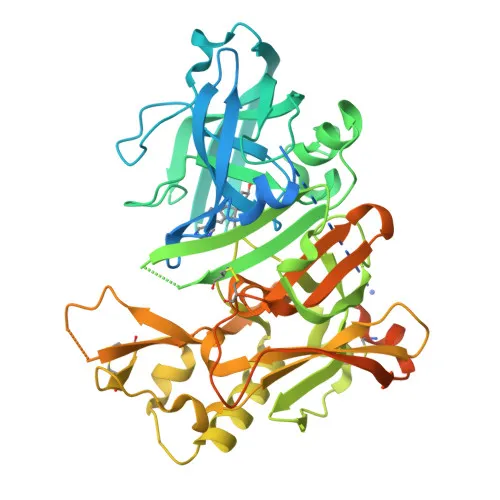
- BACE1 (beta-secretase 1), also known as ASP2 or memapsin-2, is a membrane-associated aspartic protease that initiates the amyloidogenic processing of amyloid precursor protein (APP).
- Through its endopeptidase activity, BACE1 cleaves APP between residues 671 and 672, generating a soluble ectodomain (sAPPβ) and a membrane-tethered C-terminal fragment that is subsequently processed by γ-secretase to release amyloid-β peptides. Related references: PMID:10656250 PMID:10677483 PMID:20354142
- Besides APP, BACE1 also cleaves cell adhesion molecule CHL1, suggesting a role in neural development and plasticity.
- The canonical isoform is a 501-amino acid protein with a predicted molecular weight of approximately 56 kDa; alternative splicing yields additional isoforms.
- BACE1 is predominantly expressed in the brain and pancreas, with highest levels in brain regions such as the substantia nigra, locus coeruleus, and medulla oblongata.
- Subcellularly, BACE1 localizes to lipid rafts at the plasma membrane and cycles through the endosomal-lysosomal system, including early, late, and recycling endosomes, as well as the trans-Golgi network and endoplasmic reticulum.
- Post-translational modifications include glycosylation, palmitoylation, and phosphorylation; the protein is synthesized as a zymogen requiring propeptide cleavage for activation.
Experimental Guidance and Technical Tips
- The immunogen spans residues 22-322 of human BACE1, covering the entire luminal/extracellular domain; for western blot (WB), expect a band near 56 kDa. Endogenous BACE1 may appear as multiple bands due to glycosylation and proteolytic processing.
- For immunohistochemistry (IHC-P) and immunofluorescence (IF/ICC), include appropriate antigen retrieval and permeabilization steps, as BACE1 is predominantly a transmembrane and endosomal protein.
- ELISA performance may depend on specific coating and blocking conditions; consider titrating the antibody from 0.1–1 µg/mL in an indirect ELISA setup using recombinant BACE1 protein as standard.
- This antibody cross-reacts with mouse and rat BACE1, making it suitable for studies in rodent models of Alzheimer's disease; however, validation in the specific sample system is recommended.
CamelBio: Your One-Stop Sourcing Bridge
CamelBio offers a comprehensive portfolio of validated antibody pairs, optimized monoclonal and polyclonal antibodies, and bulk ancillary reagents for IVD manufacturers developing Alzheimer's disease diagnostics. With a deep understanding of biomarker procurement, we streamline sourcing of rare targets like BACE1 to accelerate your assay development from concept to clinic.
REQUEST A QUOTE
Our professional team will reply to you within one business day. Please feel free to contact us!