Monoclonal Antibodies
Anti-Axl Monoclonal Antibody for WB, FC, ELISA - P30530
Item Number : CM0004597
Price varies based on specs and customizations
- Application
- WB, FC, ELISA
- Cross Reactivity
- Human
- Protein Weight
- 98kDa

Shipping:
Contact us to get shipping details Enjoy On-time Dispatch Guarantee.
Why Choose Us
Easy ordering process, quality products, and dedicated support for your business success.
Core Product Specifications and Parameters
| Parameter | Value |
|---|---|
| Product Name | Axl Rabbit mAb |
| Remarks/Alias | ARK; UFO; JTK11; Tyro7; Axl |
| Species | Human |
| Gene ID (Human) | 558 |
| Gene ID | 558 |
| Immunogen | Recombinant fusion protein containing a sequence corresponding to amino acids 33-449 of human Axl (NP_068713.2). |
| Source | Rabbit |
| Category | Monoclonal Antibodies |
| Application | WB, FC, ELISA |
| Cross Reactivity | Human |
| SWISS | P30530 |
| Protein Weight | 98kDa |
| Shipping | Ice bag |
Biological Background: Axl Function and Localization
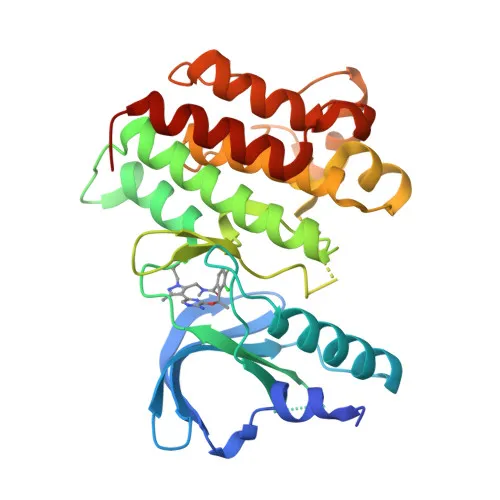
- Tyrosine-protein kinase receptor UFO (UniProt P30530), commonly known as Axl, belongs to the TAM receptor family and functions as a key receptor tyrosine kinase. Aliases include ARK, UFO, JTK11, and Tyro7.
- Axl binds the growth factor GAS6, which induces receptor dimerization and autophosphorylation, activating downstream pathways such as PI3K-AKT, GRB2, and PLCG1. This signaling regulates diverse processes including cell survival, proliferation, migration, and differentiation.
- In normal physiology, Axl/GAS6 signaling promotes endothelial cell survival, optimal natural killer cell development, hepatic regeneration, gonadotropin-releasing hormone neuron survival and migration, and platelet activation.
- Axl is highly expressed in metastatic colon tumors and expressed in primary colon tumors, but weakly expressed in normal colon tissue, highlighting its role in cancer progression.
- Axl serves as a host cell receptor for multiple viruses, including Lassa virus, lymphocytic choriomeningitis virus, Ebolavirus, and Zika virus. For Zika virus, Axl facilitates entry into glial cells, Sertoli cells, and astrocytes, and its kinase activity antagonizes type I interferon signaling via SOCS1. Related references: PMID:28076778 PMID:29379210 PMID:31311882
- Post-translational modifications include N-linked glycosylation, disulfide bond formation, autophosphorylation, and ubiquitination, which regulate its stability and signaling.
Experimental Guidance and Technical Tips
- The immunogen corresponds to the extracellular domain (amino acids 33-449), suggesting the antibody may recognize native surface Axl. For flow cytometry, consider using live, unpermeabilized cells expressing Axl.
- For Western blotting, the predicted molecular weight is ~98 kDa. Validate the band size in a relevant cell line, such as the colon cancer cell line HCT116 known to express Axl.
- ELISA protocols may require optimization of coating concentration and detection antibody pairing; consider testing the antibody as a capture reagent in sandwich ELISA for GAS6-dependent studies.
- When studying viral entry, include appropriate controls and consider that Axl expression levels can vary under different culture conditions or interferon treatment.
CamelBio: Your One-Stop Sourcing Bridge
CamelBio provides diagnostic manufacturers and researchers with streamlined access to IVD raw materials, including validated antibody pairs, optimized monoclonal antibodies like this anti-Axl clone, and ancillary reagents. With expertise in oncology and virology targets, we offer bulk supply and customization options to support assay development from concept to clinic. Contact us to explore sourcing solutions for rare or high-demand raw materials.
REQUEST A QUOTE
Our professional team will reply to you within one business day. Please feel free to contact us!