Polyclonal Antibodies
Anti-AVP Polyclonal Antibody for WB, ELISA - P01185
Item Number : CM0022927
Price varies based on specs and customizations
- Application
- WB, ELISA
- Cross Reactivity
- Human, Mouse, Rat
- Protein Weight
- 17kDa

Shipping:
Contact us to get shipping details Enjoy On-time Dispatch Guarantee.
Why Choose Us
Easy ordering process, quality products, and dedicated support for your business success.
Core Product Specifications and Parameters
| Parameter | Value |
|---|---|
| Product Name | AVP Rabbit pAb |
| Remarks/Alias | VP; ADH; ARVP; AVRP; AVP-NPII; AVP |
| Species | Human |
| GeneID (Human) | 551 |
| GeneID | 551 |
| Immunogen | Recombinant Protein |
| Source | Rabbit |
| Category | Polyclonal Antibodies |
| Application | WB, ELISA |
| Cross Reactivity | Human, Mouse, Rat |
| SWISS | P01185 |
| Protein Weight | 17kDa |
| Shipping | Ice bag |
Biological Background: AVP Function and Localization
- The human AVP gene encodes a preprohormone that is proteolytically processed into the antidiuretic hormone arginine vasopressin, its carrier protein neurophysin 2, and a C-terminal glycopeptide copeptin.
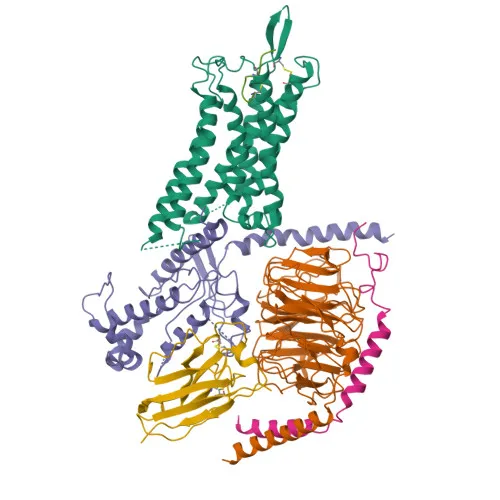
- Arginine vasopressin binds to vasopressin receptors (V1aR, V1bR, V2R) to exert direct antidiuretic effects on the kidney and vasoconstriction of peripheral vessels, playing a central role in fluid homeostasis and cardiovascular regulation.
- Neurophysin 2 acts as a specific carrier, binding vasopressin in the hypothalamus and transporting it along axons to the posterior pituitary for stimulated secretion, thereby protecting the hormone from degradation.
- The precursor protein localizes predominantly to cytoplasmic secretory vesicles, from where mature peptides are secreted into the circulation upon appropriate physiological signals.
- Post-translational modifications include amidation of the vasopressin peptide, formation of a disulfide bond essential for biological activity, and cleavage at paired basic residues to generate the mature peptides.
- Keywords associated with AVP include Diabetes insipidus, highlighting its pathogenic relevance; the hormone causes water retention, and defects lead to excessive dilute urine production.
Experimental Guidance and Technical Tips
- The immunogen covers the majority of the preprohormone (aa 20-164), excluding the signal peptide; the antibody may recognize both precursor and processed forms, with the precursor migrating near the indicated 17 kDa and smaller mature peptides potentially visible depending on gel conditions.
- For Western blotting, consider using hypothalamus or pituitary lysates as positive control tissues; reduce and denature samples thoroughly to disrupt disulfide-linked oligomers.
- Cross-reactivity with mouse and rat has been reported; validate species-specific detection by comparing known expression profiles in target tissues.
- In ELISA applications, ensure the recombinant immunogen is used as a standard for quantification, and account for possible matrix effects with serum or plasma samples.
CamelBio: Your One-Stop Sourcing Bridge
CamelBio provides diagnostic developers and researchers with a streamlined supply chain for IVD raw materials, including validated antibody pairs, optimized monoclonal and polyclonal antibodies, and bulk ancillary reagents. This anti-AVP polyclonal antibody supports neuroendocrine, fluid balance, and cardiovascular research. Leverage our rare target sourcing and technical consulting to accelerate your assay development from concept to clinic.
REQUEST A QUOTE
Our professional team will reply to you within one business day. Please feel free to contact us!