Polyclonal Antibodies
Anti-ATRX Rabbit Polyclonal Antibody for IF-P and ELISA - P46100
Item Number : CM0022444
Price varies based on specs and customizations
- Application
- IF-P, ELISA
- Cross Reactivity
- Mouse
- Protein Weight
- 283kDa

Shipping:
Contact us to get shipping details Enjoy On-time Dispatch Guarantee.
Why Choose Us
Easy ordering process, quality products, and dedicated support for your business success.
Core Product Specifications and Parameters
| Parameter | Value |
|---|---|
| Product Name | ATRX Rabbit pAb |
| Remarks/Alias | JMS; XH2; XNP; MRX52; RAD54; RAD54L; ZNF-HX |
| Species | Human |
| GeneID (Human) | 546 |
| GeneID | 546 |
| Immunogen | Recombinant fusion protein containing a sequence corresponding to amino acids 2273-2413 of human ATRX (NP_000480.3) |
| Source | Rabbit |
| Category | Polyclonal Antibodies |
| Application | IF-P, ELISA |
| Cross Reactivity | Mouse |
| SWISS | P46100 |
| Protein Weight | 283kDa |
| Shipping | Ice bag |
Biological Background: ATRX Function and Localization
- ATRX (alpha-thalassemia/mental retardation syndrome X-linked) is a chromatin remodeler and transcriptional regulator, also known as X-linked nuclear protein (XNP) or RAD54L.
- Core function involves ATP-dependent DNA translocase activity, facilitating replication-independent deposition of histone H3.3 at pericentric repeats and telomeres, and remodeling G4 DNA structures.
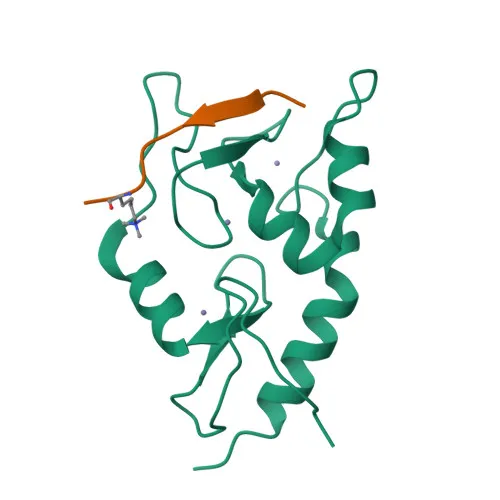
- It belongs to the SNF2/RAD54 helicase family, containing an N-terminal ATRX-DNMT3-DNMT3L (ADD) domain and a C-terminal helicase domain, and a Znf-HX zinc-finger motif.
- Subcellular localization is primarily nuclear, with enrichment at telomeres and PML nuclear bodies.
- Post-translational modifications include acetylation, phosphorylation, and ubiquitination; proteomics studies also suggest methylation and sumoylation (isopeptide bond).
- Reports on its involvement in TERRA regulation are conflicting; in fibroblasts, it is not sufficient to decrease chromatin condensation at telomeres nor increase telomeric RNA expression (PubMed:24500201). Related references: PMID:24500201
- ATRX forms a complex with ZNF274, TRIM28, and SETDB1 to maintain H3K9me3 at the 3′ exons of zinc-finger genes, linking epigenetic silencing to chromatin remodeling (PubMed:27029610). Related references: PMID:27029610
- It is ubiquitously expressed and implicated in diverse processes including DNA damage repair, telomere maintenance via ALT, and allele-specific gene regulation at imprinted loci.
Experimental Guidance and Technical Tips
- The immunogen corresponds to amino acids 2273–2413, a region near the C-terminus; ensure the antibody recognizes the expected ~283 kDa band in denaturing Western blot if used, although only IF-P and ELISA are listed.
- For immunofluorescence (IF-P), use appropriate fixation (e.g., 4% PFA) and permeabilization (0.1–0.5% Triton X-100) to access nuclear antigens; include a negative control without primary antibody.
- In ELISA, titrate the antibody to optimize signal-to-noise ratio; consider using recombinant ATRX protein or cell lysates from ATRX-expressing lines as coating antigens.
- Cross-reactivity with mouse is indicated; validate performance in mouse tissues/cells if your experimental system requires it.
CamelBio: Your One-Stop Sourcing Bridge
CamelBio is a dedicated partner for IVD manufacturers and research laboratories, offering a comprehensive portfolio of validated antibodies, bulk ancillary reagents, and rare-target raw materials. This anti-ATRX antibody, targeting a critical chromatin remodeler involved in telomere biology and gene regulation, exemplifies our commitment to providing high-quality tools for demanding diagnostic and research applications. From concept to clinic, we source and supply tailored solutions to accelerate your assay development.
REQUEST A QUOTE
Our professional team will reply to you within one business day. Please feel free to contact us!