Polyclonal Antibodies
Anti-ATP7B Rabbit Polyclonal Antibody for WB, IHC-P, ELISA - P35670
Item Number : CM0029077
Price varies based on specs and customizations
- Application
- WB, IHC-P, ELISA
- Cross Reactivity
- Human, Mouse, Rat
- Protein Weight
- 157 kDa

Shipping:
Contact us to get shipping details Enjoy On-time Dispatch Guarantee.
Why Choose Us
Easy ordering process, quality products, and dedicated support for your business success.
Core Product Specifications and Parameters
| Parameter | Specification |
|---|---|
| Product Name | ATP7B Rabbit pAb |
| Remarks/Alias | WD; PWD; WC1; WND; ATP7B |
| Species | Human |
| GeneID (Human) | 540 |
| GeneID | 540 |
| Immunogen | Recombinant protein |
| Source | Rabbit |
| Category | Polyclonal Antibodies |
| Application | WB, IHC-P, ELISA |
| Cross Reactivity | Human, Mouse, Rat |
| SWISS | P35670 |
| Protein Weight | 157 kDa |
| Shipping | Ice bag |
Biological Background: ATP7B Function and Localization
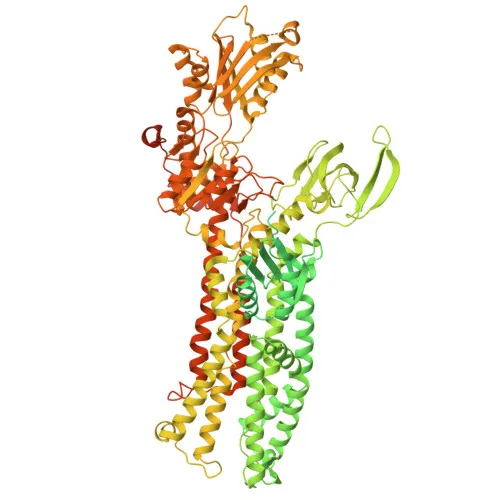
- Protein identity: ATP7B, also known as Copper-transporting ATPase 2 or Wilson disease-associated protein, is a copper-transporting P-type ATPase encoded by the ATP7B gene (GeneID 540). It belongs to the P1B subfamily of heavy metal-transporting ATPases.
- Core function: ATP7B mediates the ATP-dependent export of copper from cells, crucial for maintaining copper homeostasis. In hepatocytes, it facilitates copper efflux into the bile, especially under elevated intracellular copper levels, thereby preventing toxic accumulation.
- Subcellular localization: Under basal copper conditions, ATP7B resides predominantly in the trans-Golgi network (TGN) membrane, where it supplies copper to cuproenzymes. Upon copper overload, it translocates to cytoplasmic vesicles and the plasma membrane, as well as late endosomes and mitochondria, to export excess copper.
- Tissue expression: ATP7B is most abundant in the liver and kidney, with lower expression in the brain. A brain-specific isoform (isoform 2) and a proteolytically cleaved 140 kDa form (WND/140 kDa) are also detected.
- Post-translational modifications and regulation: The protein undergoes phosphorylation and alternative splicing, and a ribosomal frameshifting event may generate additional variants. These modifications influence its trafficking and catalytic activity.
- Clinical relevance: Mutations in ATP7B cause Wilson disease (WD), an autosomal recessive disorder characterized by copper accumulation in the liver and brain, leading to hepatic and neurological symptoms. The antibody targets a region near the C-terminus (aa 1251-1351), which may detect full-length and cleaved forms.
Experimental Guidance and Technical Tips
- Immunogen design: The immunogen spans amino acids 1251–1351 at the C-terminal region, which is well-conserved across species (explaining cross-reactivity with mouse and rat). This region is predicted to be cytoplasmic based on topology models, potentially yielding antibodies that recognize both full-length and C-terminal fragments.
- Western blotting: The predicted molecular weight of ATP7B is ~157 kDa. Use a low percentage gel (e.g., 6–8%) and ensure adequate transfer conditions (e.g., wet transfer with methanol reduction) for high-molecular-weight proteins. The antibody may also detect the 140 kDa cleaved form (WND/140) in liver or cell lines.
- IHC-P: Optimize antigen retrieval (e.g., heat-mediated citrate or EDTA buffer) and include appropriate controls (e.g., liver tissue as positive, isotype control). Staining in hepatocytes should localize to the TGN and show redistribution under copper challenge.
- ELISA: The recombinant immunogen can serve as a standard for quantitative assays. Validate linearity and sensitivity using copper-loaded or ATP7B-overexpressing lysates.
CamelBio: Your One-Stop Sourcing Bridge
CamelBio provides a comprehensive portfolio of IVD raw materials, including this anti-ATP7B antibody, for the development of diagnostics and research tools targeting copper metabolism disorders like Wilson disease. Beyond antibodies, we offer validated antibody pairs, optimized monoclonal and polyclonal reagents, bulk ancillary reagents, and custom sourcing for rare targets, supporting your project from discovery to clinical application. Partner with CamelBio to streamline your supply chain and accelerate assay development.
REQUEST A QUOTE
Our professional team will reply to you within one business day. Please feel free to contact us!