Monoclonal Antibodies
Anti-ATP7A Rabbit Monoclonal Antibody for WB, IF/ICC, ELISA - Q04656
Item Number : CM0008382
Price varies based on specs and customizations
- Application
- WB, IF/ICC, ELISA
- Cross Reactivity
- Human
- Protein Weight
- 11-172 kDa

Shipping:
Contact us to get shipping details Enjoy On-time Dispatch Guarantee.
Why Choose Us
Easy ordering process, quality products, and dedicated support for your business success.
Core Product Specifications and Parameters
| Parameter | Value |
|---|---|
| Product Name | ATP7A Rabbit mAb |
| Remarks/Alias | MK; MNK; DSMAX; SMAX3 |
| Species | Human |
| GeneID (Human) | 538 |
| GeneID | 538 |
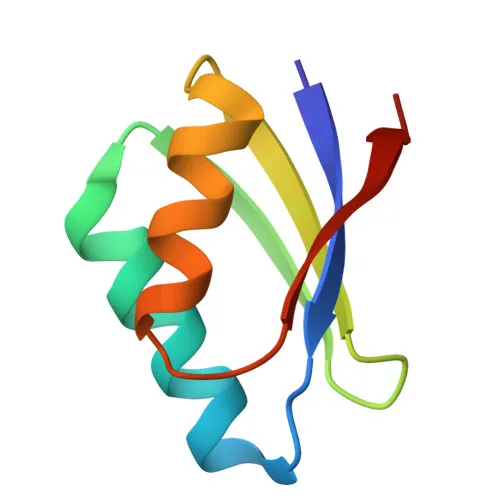
| Immunogen | Recombinant protein|Recombinant fusion protein containing a sequence corresponding to amino acids 1-79 of human ATP7A (NP_000043.4). |
| Source | Rabbit |
| Category | Monoclonal Antibodies |
| Application | WB, IF/ICC, ELISA |
| Cross Reactivity | Human |
| SWISS | Q04656 |
| Protein Weight | 11-172 kDa |
| Shipping | Ice bag |
Biological Background: ATP7A Function and Localization
- ATP7A is a copper-transporting P-type ATPase that couples ATP hydrolysis to the translocation of Cu(+) ions across cellular membranes.
Related references: PMID:10419525, PMID:11092760, PMID:28389643, PMID:19453293, PMID:19917612 - It plays a central role in intracellular copper homeostasis, shuttling between the trans-Golgi network (for cuproenzyme loading) and the plasma membrane (for copper efflux) in a copper concentration-dependent manner.
Related references: PMID:11092760, PMID:28389643, PMID:10419525 - In neurons, ATP7A supplies copper to cuproenzymes such as PAM, TYR, and SOD3, and may contribute to synaptic copper regulation.
Related references: PMID:28389643 - The protein localizes to multiple cellular compartments including the trans-Golgi network, plasma membrane, endosomes, melanosomes, and neuronal projections, reflecting its dynamic trafficking.
- Mutations in the ATP7A gene cause Menkes disease (MNK), a severe X-linked recessive disorder characterized by copper deficiency and neurodegeneration.
- ATP7A is widely expressed, with high transcript and protein levels detected in the heart, brain, lung, muscle, kidney, and pancreas.
Related references: PMID:8490646, PMID:8490659; at protein level: PMID:16371425
Experimental Guidance and Technical Tips
- For Western blotting, a band corresponding to full-length ATP7A is expected at approximately 163 kDa, but additional bands or a range may be observed due to isoform variations or proteolytic processing; validate with appropriate controls.
- In immunofluorescence (IF/ICC), permeabilization is recommended to allow antibody access to intracellular compartments such as the Golgi and endosomes.
- For ELISA, consider direct or sandwich assay formats and titrate the antibody to achieve optimal signal-to-noise ratios.
- As a rabbit monoclonal antibody, ensure use of compatible anti-rabbit secondary reagents and avoid cross-reactivity by testing in your specific model system.
- Since the immunogen targets the N-terminal region (aa 1-79), the antibody may detect only full-length or certain isoforms; confirm reactivity in your samples.
CamelBio: Your One-Stop Sourcing Bridge
CamelBio is a premier one-stop provider of IVD raw materials, technical services, and consulting, empowering diagnostic developers from concept to clinic. This anti-ATP7A rabbit monoclonal antibody supports research into copper metabolism and Menkes disease, and CamelBio can supply validated antibody pairs, optimized monoclonals, ancillary reagents, and rare-target sourcing to accelerate your assay development.
REQUEST A QUOTE
Our professional team will reply to you within one business day. Please feel free to contact us!