Polyclonal Antibodies
Anti-ATP6V1A Polyclonal Antibody for WB and ELISA - P38606
Item Number : CM0013720
Price varies based on specs and customizations
- Application
- WB, ELISA
- Cross Reactivity
- Human, Mouse, Rat
- Protein Weight
- 68kDa

Shipping:
Contact us to get shipping details Enjoy On-time Dispatch Guarantee.
Why Choose Us
Easy ordering process, quality products, and dedicated support for your business success.
Core Product Specifications and Parameters
| Parameter | Value |
|---|---|
| Product Name | ATP6V1A Rabbit pAb |
| Remarks/Alias | HO68; VA68; VPP2; Vma1; DEE93; ARCL2D; ATP6A1; IECEE3; ATP6V1A1; ATP6V1A |
| Species | Human |
| GeneID (Human) | 523 |
| GeneID | 523 |
| Immunogen | Synthetic Peptide: A synthetic peptide corresponding to a sequence within amino acids 500-600 of human ATP6V1A (NP_001681.2) |
| Source | Rabbit |
| Category | Polyclonal Antibodies |
| Application | WB, ELISA |
| Cross Reactivity | Human, Mouse, Rat |
| SWISS | P38606 |
| Protein Weight | 68kDa |
| Shipping | Ice bag |
Biological Background: ATP6V1A Function and Localization
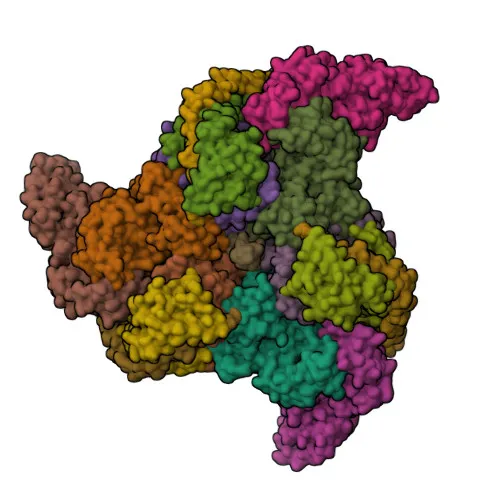
- ATP6V1A encodes the catalytic subunit A of the V1 complex of vacuolar H+-ATPase (V-ATPase), a multi-subunit enzyme that acidifies intracellular compartments and, in some cells, the extracellular environment. Related references: PMID:8463241, PMID:22053050, PMID:32001091
- The V-ATPase complex also functions as an activator for mTORC1 on lysosomal membranes by promoting the guanine nucleotide exchange factor activity of the Ragulator complex. Related references: PMID:22053050
- Under aerobic conditions, ATP6V1A contributes to intracellular iron homeostasis, triggering Fe(2+) prolyl hydroxylase (PHD) activity that leads to HIF1A hydroxylation and proteasomal degradation. Related references: PMID:28296633
- The protein may also play a role in neurite development and synaptic connectivity. Related references: PMID:29668857
- During Rabies virus infection, ATP6V1A facilitates virion uncoating after membrane fusion by interacting with incoming viral matrix M proteins.
- Subcellular localization includes cytoplasm, cytosol, secretory vesicles, clathrin-coated vesicle membranes, and lysosomal membranes.
- Expressed at high levels in the skin, reflecting tissue‑specific roles in pH regulation and barrier function.
- Annotated with functional keywords including ATP-binding, hydrogen ion transport, ion transport, translocase, and phosphoprotein.
Experimental Guidance and Technical Tips
- The immunogen is a synthetic peptide from residues 500–600, which may influence epitope recognition; consider peptide blocking for specificity controls in WB.
- Predicted molecular weight is approximately 68 kDa; verify band size in relevant cell or tissue lysates (e.g., HeLa, skin fibroblasts).
- For ELISA, optimize coating antigen and antibody dilution; peptide-based antibodies may require peptide‑BSA conjugates for increased sensitivity.
- Confirm cross‑reactivity in mouse and rat samples, as sequence homology in the immunogen region supports detection across these species.
CamelBio: Your One-Stop Sourcing Bridge
CamelBio provides diagnostic manufacturers, laboratories, and research institutes with a single gateway to validated IVD raw materials. For V‑ATPase‑related targets such as ATP6V1A, we offer polyclonal antibodies, matched antibody pairs, and bulk ancillary reagents backed by reliable supply chains. Our sourcing platform also supports customization for rare targets, helping you streamline development from early research to clinical application.
REQUEST A QUOTE
Our professional team will reply to you within one business day. Please feel free to contact us!