Monoclonal Antibodies
Anti-ATP1B3 Rabbit Monoclonal Antibody for WB, IHC-P, ELISA - P54709
Item Number : CM0003217
Price varies based on specs and customizations
- Application
- WB, IHC-P, ELISA
- Cross Reactivity
- Human, Mouse, Rat
- Protein Weight
- 22kDa/32kDa

Shipping:
Contact us to get shipping details Enjoy On-time Dispatch Guarantee.
Why Choose Us
Easy ordering process, quality products, and dedicated support for your business success.
Core Product Specifications and Parameters
| Parameter | Details |
|---|---|
| Product Name | ATP1B3 Rabbit mAb |
| Remarks/Alias | CD298; ATPB-3; ATP1B3 |
| Species | Human |
| GeneID (Human) | 483 |
| GeneID | 483 |
| Immunogen | Synthetic Peptide: A synthetic peptide corresponding to a sequence within amino acids 180-279 of human ATP1B3 (P54709) |
| Source | Rabbit |
| Category | Monoclonal Antibodies |
| Application | WB, IHC-P, ELISA |
| Cross Reactivity | Human, Mouse, Rat |
| SWISS | P54709 |
| Protein Weight | 22kDa/32kDa |
| Shipping | Ice bag |
Biological Background: ATP1B3 Function and Localization
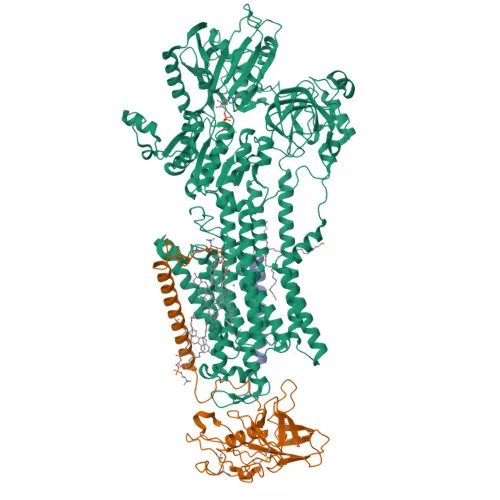
- ATP1B3 encodes the sodium/potassium-transporting ATPase subunit beta-3, also known as ATPB-3 or CD298. It is a non-catalytic subunit of the Na+/K+-ATPase enzyme complex.
- The active enzyme catalyzes ATP hydrolysis, driving the exchange of Na+ and K+ ions across the plasma membrane, essential for maintaining electrochemical gradients.
- The exact function of the beta-3 subunit remains unclear; it may play a regulatory or structural role in the pump complex.
- ATP1B3 is localized to the apical and basolateral cell membranes, and has also been identified in melanosomes, indicating a potential role in melanosome physiology.
- The protein undergoes alternative splicing, producing isoforms that may differ in function or localization.
- Key post-translational modifications include disulfide bond formation and glycosylation, which contribute to the stability and function of the mature protein.
Experimental Guidance and Technical Tips
- The immunogen covers amino acids 180–279 of human ATP1B3. The antibody may detect both full-length and processed forms. Cross-reactivity with mouse and rat is documented, making it suitable for these model organisms.
- For Western blot, bands around 22 kDa and 32 kDa are typically observed, likely representing unglycosylated and glycosylated forms. Consider using reducing conditions and validate in your sample system.
- For immunohistochemistry (paraffin), antigen retrieval (e.g., heat-mediated citrate buffer) and optimization of primary antibody dilution are recommended. Include appropriate controls to confirm specificity.
- For ELISA, the antibody can be used as a detection or capture reagent; titrate against your specific antigen and check for cross-reactivity with other ATPase subunits.
CamelBio: Your One-Stop Sourcing Bridge
CamelBio connects diagnostic manufacturers and research labs with premium IVD raw materials like this ATP1B3 rabbit monoclonal antibody. In addition to validated antibody pairs and monoclonal/polyclonal offerings, CamelBio provides bulk ancillary reagents and supports rare-target raw-material sourcing for ion transport and membrane protein research. Our streamlined procurement and technical consulting help accelerate your project from concept to clinic.
REQUEST A QUOTE
Our professional team will reply to you within one business day. Please feel free to contact us!