Polyclonal Antibodies
Anti-ATP13A2 Rabbit Polyclonal Antibody for WB, IF/ICC, ELISA - Q9NQ11
Item Number : CM0015727
Price varies based on specs and customizations
- Application
- WB, IF/ICC, ELISA
- Cross Reactivity
- Human, Mouse, Rat
- Protein Weight
- 129kDa

Shipping:
Contact us to get shipping details Enjoy On-time Dispatch Guarantee.
Why Choose Us
Easy ordering process, quality products, and dedicated support for your business success.
Core Product Specifications and Parameters
| Parameter | Value |
|---|---|
| Product Name | ATP13A2 Rabbit pAb |
| Remarks/Alias | CLN12; KRPPD; PARK9; SPG78; HSA9947; ATP13A2 |
| Species | Human |
| GeneID (human) | 23400 |
| GeneID | 23400 |
| Immunogen | Recombinant protein|Recombinant fusion protein containing a sequence corresponding to amino acids 70-210 of human ATP13A2 (NP_071372.1). |
| Source | Rabbit |
| Category | Polyclonal Antibodies |
| Application | WB, IF/ICC, ELISA |
| Cross Reactivity | Human, Mouse, Rat |
| SWISS | Q9NQ11 |
| Protein Weight | 129kDa |
| Shipping | Ice bag |
Biological Background: ATP13A2 Function and Localization
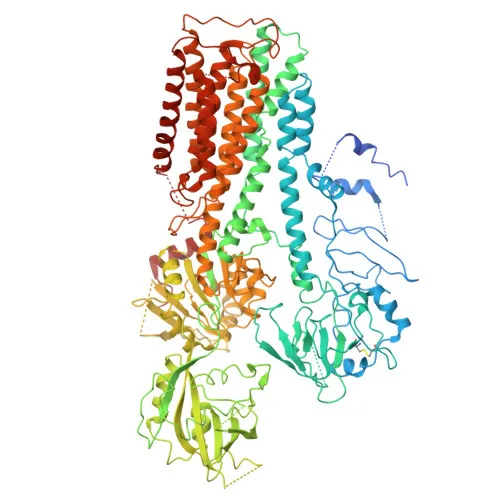
- ATP13A2 (polyamine-transporting ATPase 13A2, also known as PARK9, CLN12, KRPPD, SPG78) functions as a lysosomal polyamine exporter with high affinity for spermine, protecting cells from polyamine toxicity and stimulating polyamine uptake.
Related references: PMID:31996848 - Plays a key role in intracellular cation homeostasis, zinc homeostasis, and protection against manganese and zinc toxicity, thereby maintaining neuronal integrity.
Related references: PMID:22186024, PMID:24603074, PMID:26134396 - Required for proper lysosomal and mitochondrial maintenance, and regulates the autophagy-lysosome pathway through transcriptional and post-translational control of SYT11, as well as HDAC6 recruitment to promote autophagosome-lysosome fusion.
Related references: PMID:22296644, PMID:28137957, PMID:27278822, PMID:30538141 - Promotes secretion of exosomes, including SCNA, and plays a role in lipid homeostasis.
Related references: PMID:24603074, PMID:25392495, PMID:31132336 - Localizes to lysosome membrane, late endosomes, multivesicular bodies, and autophagosome membranes.
- Highly expressed in brain, particularly in pyramidal neurons of the cingulate cortex and dopaminergic neurons of substantia nigra; protein levels are increased in Parkinson disease and dementia with Lewy bodies.
- Mutations in ATP13A2 cause neurodegenerative disorders including Kufor-Rakeb syndrome (PARK9), neuronal ceroid lipofuscinosis (CLN12), and hereditary spastic paraplegia (SPG78).
- Undergoes glycosylation and phosphorylation, as indicated by its annotation as a glycoprotein and phosphoprotein.
Experimental Guidance and Technical Tips
- The immunogen corresponds to amino acids 70–210 of human ATP13A2, an N-terminal cytoplasmic region that is conserved across human, mouse, and rat, supporting cross-reactivity predictions.
- For Western blotting, expect a band at approximately 129 kDa; validate with appropriate controls in your sample system.
- In immunofluorescence/ICC, consider permeabilization and co-staining with lysosomal markers to confirm localization.
- ELISA applications may require optimization of coating antigen and detection conditions.
CamelBio: Your One-Stop Sourcing Bridge
CamelBio provides a comprehensive sourcing platform for IVD raw materials, including validated antibody pairs, optimized polyclonal and monoclonal antibodies, and bulk ancillary reagents. This anti-ATP13A2 antibody supports research into Parkinson's disease, lysosomal storage disorders, and cellular polyamine homeostasis. With a global supply chain, we can source rare-target reagents and offer technical consulting to accelerate your diagnostic development.
Product Datasheet
Anti-ATP13A2 Rabbit Polyclonal Antibody for WB, IF/ICC, ELISA - Q9NQ11
REQUEST A QUOTE
Our professional team will reply to you within one business day. Please feel free to contact us!