Polyclonal Antibodies
Anti-ATG5 Rabbit Polyclonal Antibody for WB, IHC-P, ELISA - Q9H1Y0
Item Number : CM0017101
Price varies based on specs and customizations
- Application
- WB, IHC-P, ELISA
- Cross Reactivity
- Human, Mouse, Rat
- Protein Weight
- 32kDa

Shipping:
Contact us to get shipping details Enjoy On-time Dispatch Guarantee.
Why Choose Us
Easy ordering process, quality products, and dedicated support for your business success.
Core Product Specifications and Parameters
| Parameter | Value |
|---|---|
| Product Name | ATG5 Rabbit pAb |
| Remarks/Alias | ASP; APG5; APG5L; hAPG5; SCAR25; APG5-LIKE; ATG5 |
| Species | Human |
| Gene ID (Human) | 9474 |
| Gene ID | 9474 |
| Immunogen | Recombinant fusion protein containing a sequence corresponding to amino acids 28-275 of human ATG5 (NP_004840.1) |
| Source | Rabbit |
| Category | Polyclonal Antibodies |
| Application | WB, IHC-P, ELISA |
| Cross Reactivity | Human, Mouse, Rat |
| SWISS | Q9H1Y0 |
| Protein Weight | 32kDa |
| Shipping | Ice bag |
Biological Background: ATG5 Function and Localization
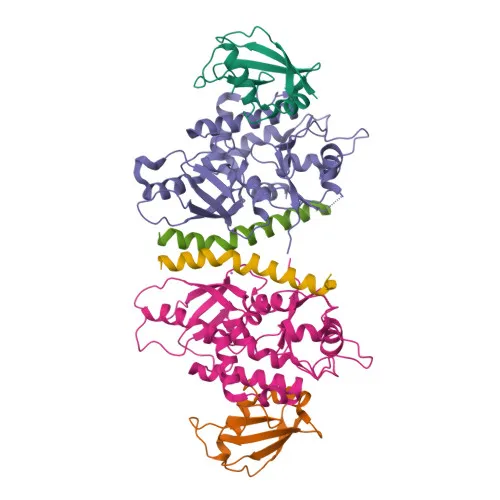
- ATG5 is a central autophagy protein that conjugates with ATG12 to form an E3-like enzyme complex, essential for ATG8 family lipidation and autophagosome formation.
- Besides autophagy, ATG5 participates in mitochondrial quality control, lymphocyte development and survival, MHC class II antigen presentation, axon maintenance, adipocyte differentiation, and primary ciliogenesis.
- ATG5 localizes to the cytoplasm and preautophagosomal structure membranes, consistent with its role in autophagic vesicle formation.
- It is ubiquitously expressed at the mRNA level, but the protein is dramatically upregulated in apoptotic cells, where it mediates caspase-dependent cell death.
- In apoptosis, ATG5 interacts with FADD and is required for IFN-gamma-induced autophagic cell death.
- In viral infection, ATG5 may act as a proviral factor: it is required for translation of incoming hepatitis C virus (HCV) RNA and negatively regulates innate antiviral immune responses via the type I IFN pathway. Related references: PMID:17709747 PMID:19666601
- ATG5 undergoes post-translational modifications including acetylation and the formation of an isopeptide bond during conjugation with ATG12, which is critical for its autophagic function.
Experimental Guidance and Technical Tips
- The immunogen encompasses amino acids 28-275 of human ATG5, a region involved in ATG12 conjugation; confirm that the antibody detects both unconjugated and conjugated forms if needed.
- For Western blot, expect a band at approximately 32 kDa in lysates from human, mouse, or rat tissues; include appropriate positive and negative controls.
- For IHC-P, optimize antigen retrieval and antibody dilution for each tissue type, as ATG5 expression levels can vary between tissues and apoptotic conditions.
- ELISA applications may require careful coating conditions; consider using recombinant ATG5 protein as a standard.
CamelBio: Your One-Stop Sourcing Bridge
CamelBio is a dedicated IVD raw material supply partner, providing validated antibody pairs, optimized polyclonal and monoclonal antibodies, and bulk ancillary reagents. Our anti-ATG5 polyclonal antibody supports autophagy and cell death research, and we can source rare-target reagents tailored to your diagnostic development needs. From concept to clinic, CamelBio streamlines your procurement process.
REQUEST A QUOTE
Our professional team will reply to you within one business day. Please feel free to contact us!