Polyclonal Antibodies
Anti-ATG3 Rabbit Polyclonal Antibody - Q9NT62
Item Number : CM0029201
Price varies based on specs and customizations
- Application
- WB, IF/ICC, ELISA
- Cross Reactivity
- Human, Mouse, Rat
- Protein Weight
- 36kDa

Shipping:
Contact us to get shipping details Enjoy On-time Dispatch Guarantee.
Why Choose Us
Easy ordering process, quality products, and dedicated support for your business success.
Core Product Specifications and Parameters
| Parameter | Value |
|---|---|
| Product Name | ATG3 Rabbit pAb |
| Remarks/Alias | APG3; APG3L; hApg3; PC3-96; APG3-LIKE; ATG3 |
| Species | Human |
| GeneID (human) | 64422 |
| GeneID | 64422 |
| Immunogen | Recombinant protein |
| Source | Rabbit |
| Category | Polyclonal Antibodies |
| Application | WB, IF/ICC, ELISA |
| Cross Reactivity | Human, Mouse, Rat |
| SWISS | Q9NT62 |
| Protein Weight | 36kDa |
| Shipping | Ice bag |
Biological Background: ATG3 Function and Localization
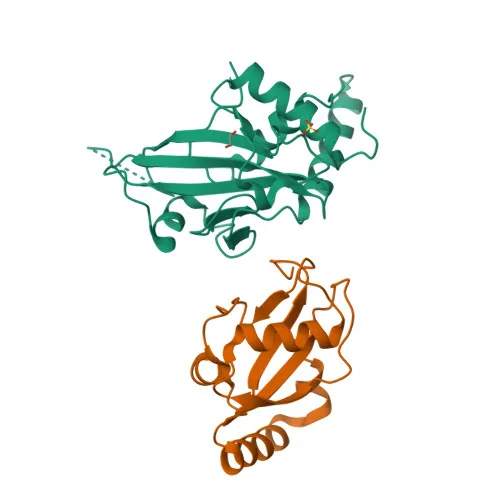
- ATG3 is a ubiquitin-like-conjugating enzyme (E2) also named autophagy-related protein 3, APG3-like, hApg3, and PC3-96, encoded by the ATG3 gene (Gene ID: 64422).
- It catalyzes the covalent conjugation of ATG8-like proteins (GABARAP, GABARAPL1, GABARAPL2, or MAP1LC3A) to phosphatidylethanolamine (PE) on membranes, a critical step in autophagosome formation. Related references: PMID:24191030 PMID:33446636 PMID:37252361
- ATG3 shuttles between the E1 enzyme ATG7 for loading with ATG8-like proteins and the E3 complex ATG12-ATG5-ATG16L1 to promote lipidation. Related references: PMID:11825910 PMID:12207896 PMID:12890687
- It interacts with negatively-charged membranes to promote membrane tethering and enhance LC3/GABARAP lipidation. Related references: PMID:29142222
- ATG3 can undergo autocatalytic ATG12 conjugation, playing roles in mitochondrial homeostasis and endosome-lysosome trafficking.
- The protein is widely expressed, with highest levels in heart, skeletal muscle, kidney, liver, and placenta, and localizes to the cytoplasm.
- Key keywords include autophagy, protein transport, and Ubl conjugation pathway, reflecting its central role in cellular self-digestion processes.
Experimental Guidance and Technical Tips
- The immunogen used is a recombinant fusion protein covering amino acids 1-314 of human ATG3, which corresponds to the full-length protein (NP_071933.2). This design helps generate antibodies recognizing the native conformation.
- For Western blot (WB), the predicted molecular weight is 36 kDa; consider using appropriate loading controls and optimizing antibody dilution.
- For immunofluorescence/immunocytochemistry (IF/ICC), ATG3 cytoplasmic localization can be visualized; co-staining with autophagy markers (e.g., LC3) may be informative.
- ELISA may be utilized for quantitative detection; note that cross-reactivity with mouse and rat has been reported, so validate in the relevant species matrix.
- Optimize experimental conditions such as fixation, blocking, and antibody concentration for each application.
CamelBio: Your One-Stop Sourcing Bridge
CamelBio is your trusted one-stop sourcing partner for IVD raw materials, supporting diagnostic manufacturers and research labs from concept to clinic. For autophagy-related targets like ATG3, we offer validated antibody pairs, monoclonal and polyclonal antibodies, bulk ancillary reagents, and customized raw-material sourcing to streamline your assay development.
REQUEST A QUOTE
Our professional team will reply to you within one business day. Please feel free to contact us!