Polyclonal Antibodies
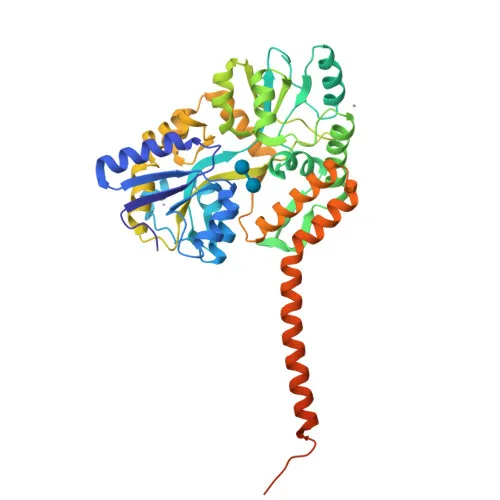
Anti-Ataxin-3 (ATXN3) Rabbit Polyclonal Antibody for WB, IHC-P, IF/ICC, ELISA - P54252
Item Number : CM0013674
Price varies based on specs and customizations
- Application
- WB, IHC-P, IF/ICC, ELISA
- Cross Reactivity
- Human, Mouse, Rat
- Protein Weight
- 41kDa

Shipping:
Contact us to get shipping details Enjoy On-time Dispatch Guarantee.
Why Choose Us
Easy ordering process, quality products, and dedicated support for your business success.
Core Product Specifications and Parameters
| Parameter | Value |
|---|---|
| Product Name | Ataxin-3 (ATXN3) Rabbit pAb |
| Remarks/Alias | AT3; JOS; MJD; ATX3; MJD1; SCA3; Ataxin-3 (ATXN3) |
| Species | Human |
| Gene ID | 4287 |
| Immunogen | Recombinant fusion protein containing a sequence corresponding to amino acids 1-361 of human Ataxin-3 (ATXN3) (NP_004984.2) |
| Source | Rabbit |
| Category | Polyclonal Antibodies |
| Application | WB, IHC-P, IF/ICC, ELISA |
| Cross Reactivity | Human, Mouse, Rat |
| SWISS | P54252 |
| Protein Weight | 41kDa |
| Shipping | Ice bag |
Biological Background: Ataxin-3 Function and Localization
- Ataxin-3 (ATXN3) is a deubiquitinating enzyme (DUB) that plays a critical role in protein homeostasis, transcription regulation, cytoskeleton organization, myogenesis, and the degradation of misfolded chaperone substrates. Related references: PMID:12297501, PMID:16118278, PMID:17696782
- ATXN3 specifically binds and trims long polyubiquitin chains but exhibits weak or no activity against chains of four or fewer ubiquitins. Related references: PMID:17696782
- The protein negatively regulates mTORC1 signaling during amino acid deprivation by deubiquitinating RHEB, leading to RHEB inactivation. Related references: PMID:33157014
- ATXN3 stabilizes BECN1 via deubiquitination at Lys-402, thereby regulating autophagy. Related references: PMID:28445460
- It acts as a histone-binding protein and interacts with transcription regulators, serving as a transcriptional repressor. Related references: PMID:12297501
- Subcellularly, ATXN3 localizes to the nucleus matrix, nucleus, and lysosome membrane.
- ATXN3 is ubiquitously expressed in tissues and is associated with Machado-Joseph disease (spinocerebellar ataxia type 3), a neurodegenerative disorder caused by triplet repeat expansion.
- UniProt keywords highlight additional roles in neurodegeneration, transcription regulation, and ubiquitin conjugation pathways.
Experimental Guidance and Technical Tips
- The recombinant immunogen spanning amino acids 1–361 of human ATXN3 includes the conserved N-terminal Josephin domain; consider sequence alignment when assessing cross-species reactivity (validated for human, mouse, rat).
- For Western blotting, expect a band near 41 kDa; expanded polyglutamine repeats in disease models may cause shifts. Validate with appropriate cell or tissue lysates.
- In IHC-P and IF/ICC, optimize antigen retrieval and antibody dilution to reduce background inherent to polyclonal preparations.
- The antibody’s reactivity with human, mouse, and rat supports cross-species studies; always include species-specific positive and negative controls.
CamelBio: Your One-Stop Sourcing Bridge
CamelBio offers diagnostic manufacturers and research laboratories a streamlined, one-stop sourcing solution for IVD raw materials, including validated antibodies such as this anti-Ataxin-3 polyclonal antibody for neurodegenerative disease and ubiquitin pathway research. Our portfolio covers optimized monoclonal and polyclonal antibodies, bulk ancillary reagents, and rare target sourcing, providing you with the comprehensive supply chain support required from early-stage development to clinical application.
Product Datasheet
Anti-Ataxin-3 (ATXN3) Rabbit Polyclonal Antibody for WB, IHC-P, IF/ICC, ELISA - P54252
REQUEST A QUOTE
Our professional team will reply to you within one business day. Please feel free to contact us!