Polyclonal Antibodies
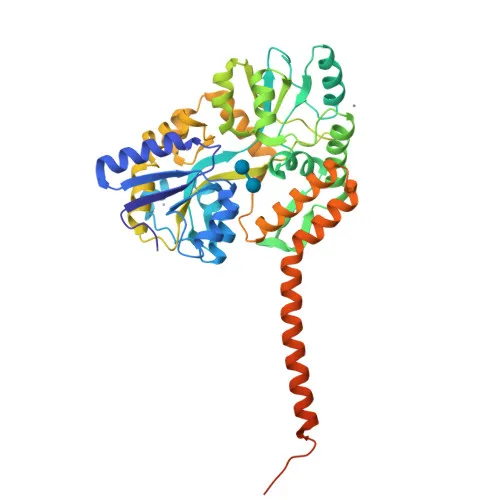
Anti-Ataxin-3 (ATXN3) Rabbit Polyclonal Antibody for WB, IF/ICC, ELISA - P54252
Item Number : CM0014644
Price varies based on specs and customizations
- Application
- WB, IF/ICC, ELISA
- Cross Reactivity
- Human, Mouse
- Protein Weight
- 41kDa

Shipping:
Contact us to get shipping details Enjoy On-time Dispatch Guarantee.
Why Choose Us
Easy ordering process, quality products, and dedicated support for your business success.
Core Product Specifications and Parameters
| Parameter | Value |
|---|---|
| Product Name | Ataxin-3 (ATXN3) Rabbit pAb |
| Remarks/Alias | AT3; JOS; MJD; ATX3; MJD1; SCA3; Ataxin-3 (ATXN3) |
| Species | Human |
| Gene ID | 4287 |
| Immunogen | Recombinant fusion protein containing a sequence corresponding to amino acids 1-361 of human Ataxin-3 (ATXN3) (NP_004984.2) |
| Source | Rabbit |
| Category | Polyclonal Antibodies |
| Application | WB, IF/ICC, ELISA |
| Cross Reactivity | Human, Mouse |
| SWISS | P54252 |
| Protein Weight | 41kDa |
| Shipping | Ice bag |
Biological Background: Ataxin-3 Function and Localization
- Ataxin-3 (ATXN3) is a deubiquitinating enzyme that binds long polyubiquitin chains and trims them, with weak activity on short chains (PubMed:17696782). Related references: PMID:17696782
- Ataxin-3 is involved in the degradation of misfolded chaperone substrates via its interaction with STUB1/CHIP, where it restricts ubiquitin chain extension on STUB1/CHIP substrates (By similarity).
- Ataxin-3 acts as a histone-binding protein and represses transcription by interacting with key transcription regulators (PubMed:12297501). Related references: PMID:12297501
- Ataxin-3 negatively regulates mTORC1 signaling in response to amino acid deprivation by deubiquitinating RHEB (PubMed:33157014). Related references: PMID:33157014
- Ataxin-3 regulates autophagy by deubiquitinating BECN1 at Lys-402, leading to BECN1 stabilization (PubMed:28445460). Related references: PMID:28445460
- Ataxin-3 localizes to the nucleus matrix, nucleoplasm, and lysosome membrane.
- Ataxin-3 is ubiquitously expressed across tissues.
- Mutations in ATXN3, characterized by CAG triplet repeat expansions, cause Machado-Joseph disease (spinocerebellar ataxia type 3), a progressive neurodegenerative disorder.
Experimental Guidance and Technical Tips
- The immunogen covers amino acids 1-361 of human Ataxin-3 (NP_004984.2), representing nearly the full-length protein. For optimal results in WB, consider using whole-cell lysates from human or mouse cell lines known to express ATXN3, such as neuronal or muscle cells.
- For IF/ICC, validate the antibody in cells expressing endogenous ATXN3, as subcellular localization may vary (nuclear matrix, nucleoplasm, lysosomes).
- In ELISA applications, use recombinant Ataxin-3 protein as a positive control to establish assay sensitivity.
- Ensure adequate negative controls (e.g., ATXN3 knockout cell lines or siRNA-mediated knockdown) to verify specificity.
CamelBio: Your One-Stop Sourcing Bridge
CamelBio specializes in providing a comprehensive range of IVD raw materials for diagnostic manufacturers, including validated antibody pairs, optimized monoclonal/polyclonal antibodies, and bulk ancillary reagents. Our Ataxin-3 antibody supports research in neurodegeneration, protein quality control, and autophagy, and we assist in sourcing rare target raw materials to accelerate your diagnostic development from concept to clinic.
Product Datasheet
Anti-Ataxin-3 (ATXN3) Rabbit Polyclonal Antibody for WB, IF/ICC, ELISA - P54252
REQUEST A QUOTE
Our professional team will reply to you within one business day. Please feel free to contact us!