Polyclonal Antibodies
Anti-AT1R/AGTR1 Rabbit Polyclonal Antibody for WB, ELISA - P30556
Item Number : CM0017152
Price varies based on specs and customizations
- Application
- WB, ELISA
- Cross Reactivity
- Human, Mouse, Rat
- Protein Weight
- 41kDa

Shipping:
Contact us to get shipping details Enjoy On-time Dispatch Guarantee.
Why Choose Us
Easy ordering process, quality products, and dedicated support for your business success.
Core Product Specifications and Parameters
| Parameter | Value |
|---|---|
| Product Name | AT1R/AGTR1 Rabbit pAb |
| Remarks/Alias | AT1; AG2S; AT1B; AT1R; ATR1; AT1AR; AT1BR; AT2R1; HAT1R; AGTR1B; AT1R/AGTR1 |
| Species | Human |
| Gene ID (Human) | 185 |
| Gene ID | 185 |
| Immunogen | Recombinant fusion protein containing a sequence corresponding to amino acids 294-388 of human AT1R/AGTR1 (NP_114438.2) |
| Source | Rabbit |
| Category | Polyclonal Antibodies |
| Application | WB, ELISA |
| Cross Reactivity | Human, Mouse, Rat |
| SWISS | P30556 |
| Protein Weight | 41kDa |
| Shipping | Ice bag |
Biological Background: AT1R/AGTR1 Function and Localization
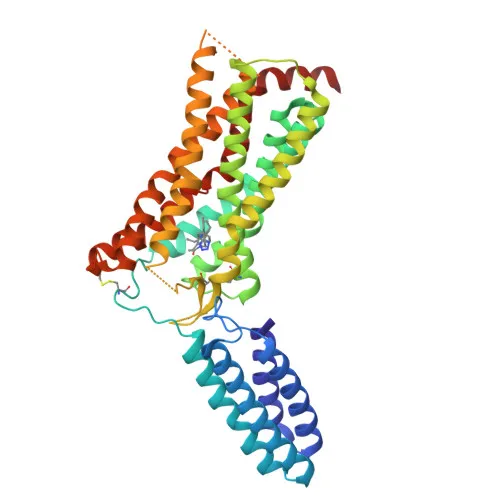
- Type-1 angiotensin II receptor (AT1R) is a seven-transmembrane GPCR that binds angiotensin II, a potent vasoconstricting peptide, and critically regulates blood pressure, sodium retention, and fluid homeostasis. Upon ligand binding, AT1R couples to Gq family G-proteins, triggering phospholipase C activation, increased intracellular calcium, and stimulation of protein kinase C, which mediate its downstream physiological effects. Related references: PMID:15611106 PMID:1567413 PMID:25913193
- During SARS-CoV-2 infection, AT1R facilitates viral entry by recognizing and internalizing ACE2–spike protein complexes through dynamin 2-dependent endocytosis.
- AT1R is located primarily on the cell membrane and is expressed in liver, lung, and adrenal tissues.
- Post-translational modifications, including disulfide bond formation, palmitoylation, and phosphorylation, regulate AT1R’s conformation, trafficking, and signal transduction.
- The antibody was raised against a recombinant protein corresponding to amino acids 294–388, a region within the intracellular C-terminal domain, making it suitable for detecting the receptor in whole-cell lysates and ELISA assays.
- Genetic variations in AGTR1 have been linked to hypertension and cardiovascular disease phenotypes.
Experimental Guidance and Technical Tips
- For western blot, a specific band near 41 kDa is expected. Consider using membrane fractions or whole-cell lysates from tissues such as liver, lung, or adrenal gland to enrich the receptor.
- The immunogen targets the C-terminal intracellular domain (residues 294–388), which may be well-conserved across human, mouse, and rat, supporting the observed cross-reactivity. Validate detection in your sample system using appropriate positive controls.
- In ELISA, consider coating with the recombinant immunogen or a peptide from the C-terminal region. Optimize coating concentration and blocking conditions empirically.
- Because AT1R is a GPCR that may undergo post-translational modifications, possible mobility shifts or multiple bands could appear in WB; de-glycosylation or phosphatase treatment can be used to confirm specificity.
CamelBio: Your One-Stop Sourcing Bridge
CamelBio serves as a comprehensive IVD raw-material sourcing partner, supporting diagnostic manufacturers and research labs from concept to clinic. For cardiovascular and angiotensin signaling studies, CamelBio offers validated antibody pairs, optimized polyclonal and monoclonal antibodies, and bulk ancillary reagents. Our supply chain also covers rare-target raw materials, ensuring streamlined procurement for assay development around receptors like AT1R/AGTR1.
REQUEST A QUOTE
Our professional team will reply to you within one business day. Please feel free to contact us!