Monoclonal Antibodies
Anti-ASS1 Rabbit Monoclonal Antibody for WB, IF-P, ELISA - P00966
Item Number : CM0010943
Price varies based on specs and customizations
- Application
- WB, IF-P, ELISA
- Cross Reactivity
- Human, Mouse, Rat
- Protein Weight
- 47 kDa

Shipping:
Contact us to get shipping details Enjoy On-time Dispatch Guarantee.
Why Choose Us
Easy ordering process, quality products, and dedicated support for your business success.
Core Product Specifications and Parameters
| Parameter | Value |
|---|---|
| Product Name | ASS1 Rabbit mAb |
| Remarks/Alias | ASS; CTLN1; ASS1 |
| Species | Human |
| Gene ID (Human) | 445 |
| Gene ID | 445 |
| Immunogen | Synthetic Peptide|A synthetic peptide corresponding to a sequence within amino acids 1-100 of human ASS1 (P00966). |
| Source | Rabbit |
| Category | Monoclonal Antibodies |
| Application | WB, IF-P, ELISA |
| Cross Reactivity | Human, Mouse, Rat |
| SWISS | P00966 |
| Protein Weight | 47 kDa |
| Shipping | Ice bag |
Biological Background: ASS1 Function and Localization
- ASS1 encodes argininosuccinate synthase, also known as citrulline--aspartate ligase (UniProt P00966).
- Catalyzes the ATP-dependent ligation of citrulline and aspartate to form argininosuccinate, a critical step in the urea cycle for ammonia detoxification and arginine biosynthesis.
- Functions in the cytosol and is highly expressed in the adult liver, the primary site of ureagenesis.
- Requires ATP and nucleotide binding for its ligase activity.
- Subject to post-translational modifications including acetylation and phosphorylation, which may regulate its function.
- Mutations in ASS1 are associated with citrullinemia type I, an autosomal recessive urea cycle disorder.
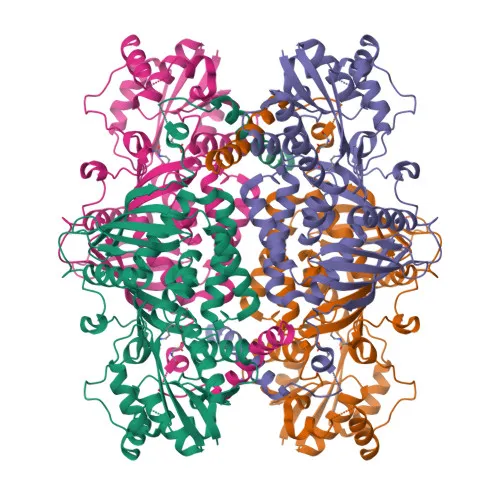
- Structural studies provide detailed insight into the catalytic mechanism of this enzyme.
Experimental Guidance and Technical Tips
- The immunogen corresponds to the N-terminal region (aa 1-100) of human ASS1; thus the antibody is predicted to bind full-length and N-terminal fragments.
- For Western blot, a band around 47 kDa is expected; appropriate loading controls and molecular weight markers are recommended.
- In immunofluorescence, cytoplasmic staining should be observed; consider using liver tissue as a positive control, given high expression in hepatocytes.
- Cross-reactivity with mouse and rat ASS1 is reported; validate in the relevant sample system before large-scale studies.
- For ELISA, test with recombinant ASS1 protein or cell lysates; optimal antibody concentration should be determined experimentally.
CamelBio: Your One-Stop Sourcing Bridge
CamelBio offers diagnostic manufacturers and research teams comprehensive access to IVD raw materials and technical services, from early R&D to clinical application. This anti-ASS1 rabbit monoclonal antibody supports urea cycle disorder and arginine metabolism research, and we can supply matched antibody pairs, bulk monoclonal/polyclonal reagents, and ancillary consumables to streamline your assay development. Explore our full portfolio for rare-target sourcing and custom solutions.
REQUEST A QUOTE
Our professional team will reply to you within one business day. Please feel free to contact us!