Polyclonal Antibodies
Anti-ASPA Rabbit Polyclonal Antibody for WB, IF/ICC, ELISA - P45381
Item Number : CM0026158
Price varies based on specs and customizations
- Application
- WB, IF/ICC, ELISA
- Cross Reactivity
- Human, Mouse, Rat
- Protein Weight
- 36kDa

Shipping:
Contact us to get shipping details Enjoy On-time Dispatch Guarantee.
Why Choose Us
Easy ordering process, quality products, and dedicated support for your business success.
Core Product Specifications and Parameters
| Parameter | Value |
|---|---|
| Product Name | ASPA Rabbit pAb |
| Remarks/Alias | ASP; ACY2; ASPA |
| Species | Human |
| GeneID (Human) | 443 |
| GeneID | 443 |
| Immunogen | Recombinant fusion protein containing a sequence corresponding to amino acids 1-313 of human ASPA (NP_001121557.1) |
| Source | Rabbit |
| Category | Polyclonal Antibodies |
| Application | WB, IF/ICC, ELISA |
| Cross Reactivity | Human, Mouse, Rat |
| SWISS | P45381 |
| Protein Weight | 36kDa |
| Shipping | Ice bag |
Biological Background: ASPA Function and Localization
- Aspartoacylase (ASPA), also known as aminoacylase-2 (ACY-2), is a zinc-dependent hydrolase that catalyzes the deacetylation of N-acetylaspartic acid (NAA) to produce acetate and L-aspartate.
- NAA is present in high concentrations in the brain, and its hydrolysis by ASPA is critical for maintaining intact white matter integrity.
- In peripheral tissues, ASPA functions as a scavenger of NAA from body fluids, contributing to systemic metabolite homeostasis.
- ASPA localizes to both the cytoplasm and nucleus, indicating potential roles in nuclear metabolic processes.
- Tissue expression of ASPA is predominantly in brain white matter, skeletal muscle, kidney, adrenal glands, lung, and liver.
- Mutations in the ASPA gene are associated with Canavan disease, a leukodystrophy characterized by spongy degeneration of the brain.
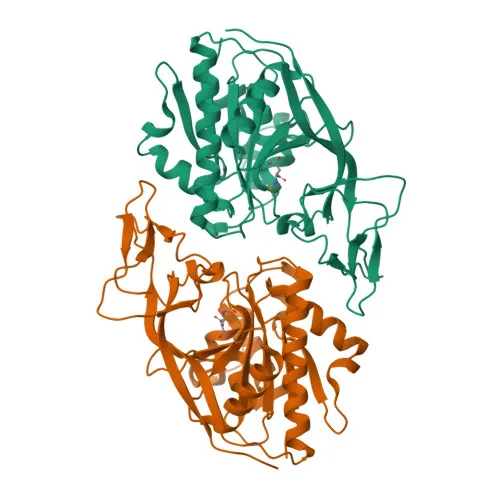
- ASPA has been resolved by 3D-structure analysis, providing insights into its zinc-binding catalytic mechanism.
Experimental Guidance and Technical Tips
- The immunogen corresponds to the full-length human ASPA protein (amino acids 1–313), so the antibody may recognize native and denatured ASPA.
- For Western blotting, the predicted molecular weight is ~36 kDa; consider that post-translational modifications could cause minor shifts.
- In immunofluorescence/ICC, optimize fixation and permeabilization conditions as ASPA is an intracellular protein localized to cytoplasm and nucleus.
- The antibody shows cross-reactivity with mouse and rat ASPA; validate in the appropriate tissue or cell line for your experimental system.
- For ELISA applications, pairing with a detection antibody may require testing due to polyclonal nature.
CamelBio: Your One-Stop Sourcing Bridge
CamelBio supports diagnostic and research communities by offering a comprehensive portfolio of IVD raw materials, including this anti-ASPA polyclonal antibody. Our one-stop sourcing bridge ensures access to validated antibody pairs, optimized monoclonal/polyclonal antibodies, and bulk ancillary reagents for neurology and leukodystrophy research. Whether you need established or hard-to-find targets, CamelBio streamlines procurement from concept to clinic.
REQUEST A QUOTE
Our professional team will reply to you within one business day. Please feel free to contact us!