Polyclonal Antibodies
Anti-ASNA1 Rabbit Polyclonal Antibody for WB, IF/ICC, ELISA - O43681
Item Number : CM0029443
Price varies based on specs and customizations
- Application
- WB, IF/ICC, ELISA
- Cross Reactivity
- Human, Mouse, Rat
- Protein Weight
- 39kDa

Shipping:
Contact us to get shipping details Enjoy On-time Dispatch Guarantee.
Why Choose Us
Easy ordering process, quality products, and dedicated support for your business success.
Core Product Specifications and Parameters
| Parameter | Value |
|---|---|
| Product Name | ASNA1 Rabbit pAb |
| Remarks/Alias | ARSA1; ASNA1; CMD2H; TRC40; ARSA-I; ASNA-I |
| Species | Human |
| GeneID (Human) | 439 |
| GeneID | 439 |
| Immunogen | Recombinant fusion protein containing a sequence corresponding to amino acids 1-348 of human ASNA1 (NP_004308.2). |
| Source | Rabbit |
| Category | Polyclonal Antibodies |
| Application | WB, IF/ICC, ELISA |
| Cross Reactivity | Human, Mouse, Rat |
| SWISS | O43681 |
| Protein Weight | 39kDa |
| Shipping | Ice bag |
Biological Background: ASNA1 (GET3) Function and Localization
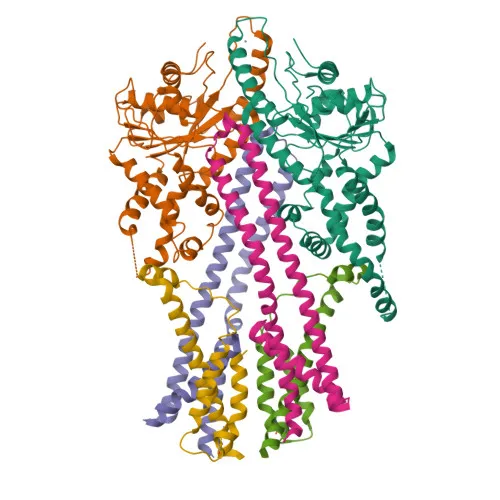
- ASNA1, also known as ATPase GET3, ARSA-I, or TRC40, is an ATPase that facilitates the post-translational delivery of tail-anchored (TA) proteins to the endoplasmic reticulum membrane.
Related references: PMID:17382883 - The enzyme recognizes the transmembrane domain of newly synthesized TA proteins in the cytosol and forms a targeting complex that interacts with the ER membrane receptors GET1/WRB and CAMLG/GET2.
- ATP binding and hydrolysis control conformational transitions: ATP binding drives homodimer closure for substrate recognition, while hydrolysis is required for TA protein insertion and subsequent recycling of GET3.
- ASNA1 may also participate in insulin signaling.
- Subcellularly, GET3 localizes to the cytoplasm, endoplasmic reticulum, and nucleus (including the nucleolus), reflecting its dynamic targeting cycle.
- Tissue expression analysis shows ASNA1 present in epithelial cells of the liver, kidney, and stomach, as well as in adrenal medulla, pancreatic islets, spleen red pulp, and cardiac/skeletal muscle.
- ASNA1 is classified as a hydrolase, an ATP-binding protein, and a zinc metalloprotein, and is linked to cardiomyopathy and other disease variants.
Experimental Guidance and Technical Tips
- The immunogen used is a recombinant protein covering amino acids 1-348 of human ASNA1, which represents the full-length protein. This suggests the antibody may recognize multiple epitopes across the entire protein.
- For Western blot (WB), expect a band at approximately 39 kDa (theoretical molecular weight ~38.8 kDa) in whole cell lysates from human, mouse, or rat tissues.
- When performing immunofluorescence (IF/ICC), consider permeabilization protocols that allow antibody access to cytoplasmic, ER, and nuclear compartments, as ASNA1 localizes to all three.
- Validate antibody specificity in your experimental system using appropriate controls (e.g., knockdown, blocking peptide) to confirm signal authenticity, especially given potential nucleolar staining.
- For ELISA, the antibody can be used as a capture or detection reagent, but optimal dilution and pair compatibility should be determined experimentally.
CamelBio: Your One-Stop Sourcing Bridge
CamelBio offers diagnostic manufacturers, labs, and research institutes a streamlined pathway to high-quality IVD raw materials and technical support—from concept to clinic. This ASNA1 (GET3) antibody supports investigations into tail-anchored protein trafficking, ER biology, and related disease mechanisms. Through our extensive sourcing network, we deliver validated antibody pairs, optimized monoclonals/polyclonals, ancillary reagents, and can source rare-target raw materials to accelerate your assay development.
REQUEST A QUOTE
Our professional team will reply to you within one business day. Please feel free to contact us!