Polyclonal Antibodies
Anti-ASMTL Rabbit Polyclonal Antibody for WB, IP, ELISA - O95671
Item Number : CM0030186
Price varies based on specs and customizations
- Application
- WB, IP, ELISA
- Cross Reactivity
- Human, Mouse
- Protein Weight
- 69kDa

Shipping:
Contact us to get shipping details Enjoy On-time Dispatch Guarantee.
Why Choose Us
Easy ordering process, quality products, and dedicated support for your business success.
Core Product Specifications and Parameters
| Parameter | Value |
|---|---|
| Product Name | ASMTL Rabbit pAb |
| Remarks/Alias | ASTML; ASMTLX; ASMTLY; ASMTL |
| Species | Human |
| Gene ID (Human) | 8623 |
| Gene ID | 8623 |
| Immunogen | Recombinant fusion protein containing a sequence corresponding to amino acids 1-290 of human ASMTL (NP_004183.2) |
| Source | Rabbit |
| Category | Polyclonal Antibodies |
| Application | WB, IP, ELISA |
| Cross Reactivity | Human, Mouse |
| SWISS | O95671 |
| Protein Weight | 69kDa |
| Shipping | Ice bag |
Biological Background: ASMTL Function and Localization
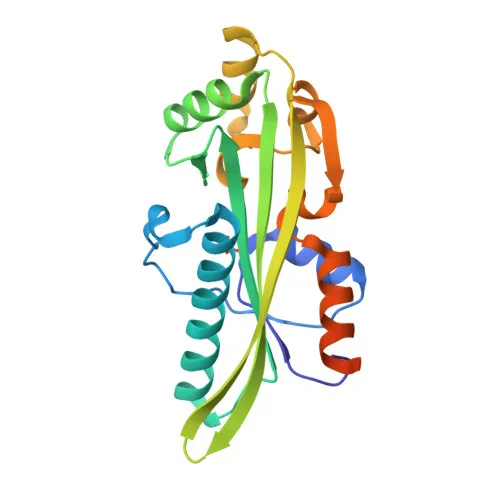
- ASMTL (Acetylserotonin O-methyltransferase-like) is a probable bifunctional enzyme with dTTP/UTP pyrophosphatase and potential methyltransferase activities (UniProt O95671). Related references: PMID:24210219
- The N-terminal domain functions as a nucleoside triphosphate pyrophosphatase, hydrolyzing dTTP and UTP, as well as CTP and modified nucleotides like pseudo-UTP and 5-methyl-UTP, thereby preventing incorporation of non-canonical nucleotides into nucleic acids (PubMed:24210219). Related references: PMID:24210219
- It may play a dual role in cell division arrest and nucleotide sanitation to maintain genomic integrity (PubMed:24210219). Related references: PMID:24210219
- The C-terminal region contains a putative S-adenosyl-L-methionine binding domain, suggesting methyltransferase activity, though this remains probable.
- Widely expressed in adult tissues, with highest levels in pancreas, placenta, thymus, prostate, testis, ovary, and colon; also present in fetal lung and kidney (UniProt).
- Keywords include alternative splicing, phosphoprotein, and reference proteome; several isoforms may exist.
- No explicit subcellular localization data, but it is predicted to function in the cytoplasm and/or nucleus given its role in nucleotide metabolism.
Experimental Guidance and Technical Tips
- The immunogen is a recombinant fragment covering amino acids 1-290 of human ASMTL (NP_004183.2). Consider using this region for antibody specificity verification via peptide competition or truncated constructs.
- For Western blot, the predicted molecular weight is ~69 kDa. Validate with appropriate positive controls from highly expressing tissues (e.g., pancreas or testis lysates).
- For immunoprecipitation, use standard protocols with protein A/G beads; consider cross-linking the antibody to avoid heavy chain interference.
- The antibody cross-reacts with mouse, enabling studies in mouse models. Verify expression levels in the tissue/cell type of interest.
- ELISA applications may require optimization of coating antigen and antibody concentration; consider using the immunogen as coating protein.
CamelBio: Your One-Stop Sourcing Bridge
CamelBio supports diagnostic manufacturers and researchers with a comprehensive portfolio of IVD raw materials, including validated antibodies like this anti-ASMTL polyclonal antibody. For projects focusing on nucleotide metabolism, cell cycle control, or epigenetic regulation, CamelBio offers optimized antibody pairs, monoclonal alternatives, and ancillary reagents to streamline kit development. With end-to-end sourcing and technical support, CamelBio bridges the gap from target discovery to clinical application.
REQUEST A QUOTE
Our professional team will reply to you within one business day. Please feel free to contact us!