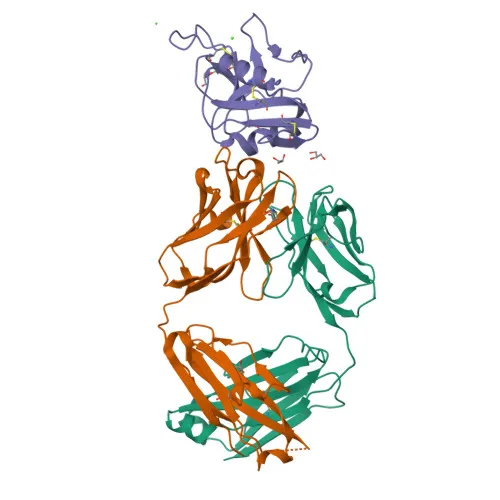
Monoclonal Antibodies
Anti-ASGR2 Rabbit Monoclonal Antibody for WB, IF-P, ELISA - P07307
Item Number : CM0009915
Price varies based on specs and customizations
- Application
- WB, IF-P, ELISA
- Cross Reactivity
- Human

Shipping:
Contact us to get shipping details Enjoy On-time Dispatch Guarantee.
Why Choose Us
Easy ordering process, quality products, and dedicated support for your business success.
Core Product Specifications and Parameters
| Parameter | Value |
|---|---|
| Product Name | ASGR2 Rabbit mAb |
| Remarks/Alias | HL-2; HBXBP; ASGPR2; ASGP-R2; CLEC4H2 |
| Species | Human |
| GeneID (Human) | 433 |
| GeneID | 433 |
| Immunogen | Recombinant fusion protein containing a sequence corresponding to amino acids 80-311 of human ASGR2 (NP_550435.1) |
| Source | Rabbit |
| Category | Monoclonal Antibodies |
| Application | WB, IF-P, ELISA |
| Cross Reactivity | Human |
| SWISS | P07307 |
| Protein Weight | 35kDa |
| Shipping | Ice bag |
Biological Background: ASGR2 Function and Localization
- Asialoglycoprotein receptor 2 (ASGR2), also known as hepatic lectin H2 (HL-2) and C-type lectin domain family 4 member H2 (CLEC4H2), is a transmembrane receptor predominantly expressed in hepatocytes.
- The receptor mediates the clearance of desialylated glycoproteins from circulation by recognizing terminal galactose and N-acetylgalactosamine residues on complex carbohydrates.
- Upon ligand binding, ASGR2 internalizes the ligand-receptor complex into endosomes, where the low pH environment dissociates the ligand; the receptor then recycles back to the cell surface.
- ASGR2 belongs to the C-type lectin family and functions as a hetero-oligomeric complex with ASGR1 to form the functional asialoglycoprotein receptor.
- The protein is exclusively expressed in liver parenchymal cells, consistent with its role in hepatic glycoprotein homeostasis.
- Post-translational modifications include palmitoylation and phosphorylation, and the protein contains calcium-binding and disulfide-bonded domains essential for ligand recognition and structural stability.
- Alternative splicing generates multiple transcript variants, potentially producing isoforms with distinct functional or regulatory properties.
- ASGR2 has been implicated in host-virus interactions, serving as a potential entry factor for certain hepatotropic viruses, as indicated by keyword annotation.
Experimental Guidance and Technical Tips
- The immunogen spans the extracellular domain (aa80-311), ensuring recognition of the native receptor; consider antigen retrieval methods for IF-P on liver tissue sections.
- For western blotting, the predicted molecular weight is approximately 35 kDa; however, post-translational modifications may cause slight mobility shifts; validate with appropriate controls.
- When using ELISA, consider coating with recombinant ASGR2 extracellular domain or native protein from liver lysates.
- Because ASGR2 expression is liver-specific, ensure the sample system (e.g., hepatocyte-derived cell lines or liver tissue) is relevant; HepG2 cells may express the receptor.
- Cross-reactivity is confirmed for human; for other species, verify sequence homology before use.
CamelBio: Your One-Stop Sourcing Bridge
CamelBio provides diagnostic manufacturers, labs, and research institutes with one-stop access to IVD raw materials, technical services, and consulting—covering every stage from concept to clinic. This Anti-ASGR2 antibody supports research into hepatic glycoprotein clearance and liver-specific targeting. CamelBio offers validated antibody pairs, optimized monoclonal/polyclonal antibodies, bulk ancillary reagents, and rare target raw-material sourcing to streamline your IVD development pipeline.
REQUEST A QUOTE
Our professional team will reply to you within one business day. Please feel free to contact us!