Monoclonal Antibodies
Anti-ASCT2/SLC1A5 Monoclonal Antibody for WB, IHC-P, ELISA - Q15758
Item Number : CM0006849
Price varies based on specs and customizations
- Application
- WB, IHC-P, ELISA
- Cross Reactivity
- Human
- Protein Weight
- 57kDa

Shipping:
Contact us to get shipping details Enjoy On-time Dispatch Guarantee.
Why Choose Us
Easy ordering process, quality products, and dedicated support for your business success.
Core Product Specifications and Parameters
| Parameter | Value |
|---|---|
| Product Name | ASCT2/SLC1A5 Rabbit mAb |
| Remarks/Alias | R16; AAAT; ATBO; M7V1; RDRC; ASCT2; M7VS1; ASCT2/SLC1A5 |
| Species | Human |
| Gene ID (Human) | 6510 |
| Immunogen | Recombinant protein|Recombinant fusion protein containing a sequence corresponding to amino acids 483-541 of human ASCT2/SLC1A5(NP_005619.1). |
| Source | Rabbit |
| Category | Monoclonal Antibodies |
| Application | WB, IHC-P, ELISA |
| Cross Reactivity | Human |
| SWISS | Q15758 |
| Protein Weight | 57kDa |
| Shipping | Ice bag |
Biological Background: ASCT2/SLC1A5 Function and Localization
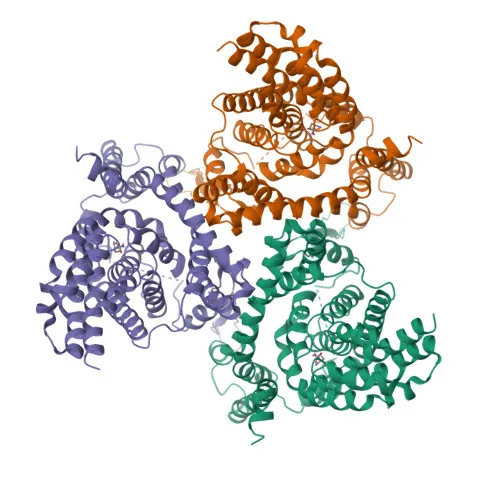
- Neutral amino acid transporter B(0) (gene SLC1A5), commonly referred to as ASCT2, RDR, RDRC, M7V1, or ATBO, is a multi-pass transmembrane protein belonging to the solute carrier family 1.
Related references: PMID:17094966, PMID:23756778, PMID:24953180, PMID:26492990 - Functions as a sodium-coupled antiporter that preferentially exchanges extracellular L-glutamine with intracellular neutral amino acids (e.g., L-serine, L-threonine, L-asparagine), fueling biosynthetic pathways and energy metabolism in proliferating cells.
Related references: PMID:17094966, PMID:38650461 - Mediates the transport of D-serine in the retina and renal proximal tubules, thereby influencing NMDA receptor modulation and systemic D-serine homeostasis.
Related references: PMID:10708449, PMID:23492904, PMID:38671230 - Serves as a cell surface receptor for several retroviruses, including RD114, baboon M7, and type D simian retroviruses, and plays a role in syncytin-1-dependent trophoblast fusion during placental development.
- Localizes predominantly to the cell membrane and apical cell membrane; also detected in melanosomes.
Related references: PMID:8702519 - Expressed in placenta, lung, skeletal muscle, kidney, pancreas, and intestine, with prominent expression in CD34-positive hematopoietic progenitors.
- Undergoes acetylation and phosphorylation; annotated as a glycoprotein, phosphoprotein, and metal-binding membrane receptor.
Experimental Guidance and Technical Tips
- The immunogen corresponds to the C-terminal intracellular domain (amino acids 483–541), suggesting the antibody should recognize the full‑length protein; confirm specificity in a relevant SLC1A5‑expressing cell line.
- For Western blot, the predicted molecular weight is approximately 57 kDa; include a positive control (e.g., human placenta or cancer cell lysate) and use standard reducing conditions.
- In immunohistochemistry (IHC-P), optimize antigen retrieval (citrate or EDTA buffer) and validate staining using tissue sections known to express ASCT2 (e.g., kidney, intestine).
- For ELISA assays, this monoclonal antibody can be explored as a capture or detection reagent; pair with a matched detection antibody and verify performance in the intended sample matrix.
CamelBio: Your One-Stop Sourcing Bridge
CamelBio is a dedicated IVD raw‑material partner offering a wide range of validated antibodies, recombinant proteins, and ancillary reagents to accelerate diagnostic development from concept to clinic. This anti‑ASCT2/SLC1A5 antibody supports research in amino acid transport, cancer metabolism, and viral entry pathways. For bulk orders, custom antibody pairs, or sourcing rare‑target raw materials, contact us to design a supply solution tailored to your assay requirements.
REQUEST A QUOTE
Our professional team will reply to you within one business day. Please feel free to contact us!