Polyclonal Antibodies
Anti-ARID1A Rabbit Polyclonal Antibody for WB, ELISA - O14497
Item Number : CM0023998
Price varies based on specs and customizations
- Application
- WB, ELISA
- Cross Reactivity
- Human, Mouse, Rat
- Protein Weight
- 242kDa

Shipping:
Contact us to get shipping details Enjoy On-time Dispatch Guarantee.
Why Choose Us
Easy ordering process, quality products, and dedicated support for your business success.
Core Product Specifications and Parameters
| Parameter | Value |
|---|---|
| Product Name | ARID1A Rabbit pAb |
| Remarks/Alias | ELD; B120; CSS2; OSA1; P270; hELD; BM029; MRD14; hOSA1; BAF250; C1orf4; BAF250a; SMARCF1 |
| Species | Human |
| GeneID (Human) | 8289 |
| GeneID | 8289 |
| Immunogen | Recombinant fusion protein containing a sequence corresponding to amino acids 2195-2285 of human ARID1A (NP_006006.3) |
| Source | Rabbit |
| Category | Polyclonal Antibodies |
| Application | WB, ELISA |
| Cross Reactivity | Human, Mouse, Rat |
| SWISS | O14497 |
| Protein Weight | 242kDa |
| Shipping | Ice bag |
Biological Background: ARID1A Function and Localization
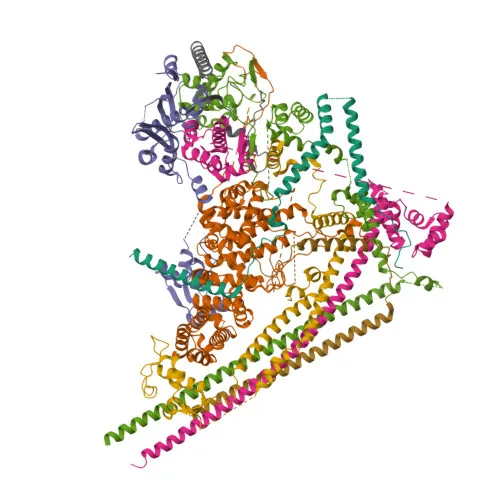
- ARID1A (AT-rich interactive domain-containing protein 1A), also known as BAF250 or hOSA1, is a key subunit of SWI/SNF chromatin remodeling complexes.
- It facilitates transcriptional activation and repression by altering DNA-nucleosome contacts in an ATP-dependent manner, crucial for chromatin remodeling.
- ARID1A is a component of both neural progenitors-specific (npBAF) and neuron-specific (nBAF) chromatin remodeling complexes, essential for the self-renewal of neural stem cells and neuronal differentiation.
- Subcellular localization is primarily nuclear, consistent with its role in chromatin structure and transcription regulation.
- Tissue specificity: Highly expressed in spleen, thymus, prostate, testis, ovary, small intestine, colon, and peripheral blood leukocytes; lower expression in heart, brain, placenta, lung, liver, skeletal muscle, kidney, and pancreas.
- Post-translational modifications include acetylation, methylation, and phosphorylation; alternative splicing generates multiple isoforms.
- Keywords: Chromatin regulator, DNA-binding, neurogenesis, transcription, intellectual disability, among others.
- Molecular weight: Approximately 242 kDa, as determined by sequence analysis.
Experimental Guidance and Technical Tips
- The immunogen corresponds to amino acids 2195-2285 near the C-terminus; as a polyclonal antibody, it may recognize multiple epitopes, potentially enhancing signal reliability.
- For Western blot (WB), use whole-cell lysates from human, mouse, or rat tissues/cells; optimize primary antibody dilution and ensure extended transfer for the high molecular weight target (242 kDa).
- For ELISA, consider coating with recombinant ARID1A protein or peptide corresponding to the immunogen region.
- Validate expression in relevant cell lines (e.g., HeLa) or tissues where ARID1A is abundant, and include appropriate controls.
- Due to cross-reactivity with mouse and rat, confirm specificity in your experimental system if using different species.
CamelBio: Your One-Stop Sourcing Bridge
CamelBio offers diagnostic manufacturers, labs, and research institutes a comprehensive one-stop sourcing solution for IVD raw materials. For chromatin remodeling and neurogenesis research, we provide validated antibody pairs, optimized monoclonal/polyclonal antibodies, bulk ancillary reagents, and rare target sourcing. Partner with us to efficiently bridge your project from concept to clinic with reliable raw material supply.
REQUEST A QUOTE
Our professional team will reply to you within one business day. Please feel free to contact us!