Polyclonal Antibodies
Anti-ARHGAP1 Rabbit Polyclonal Antibody for WB, IP, ELISA - Q07960
Item Number : CM0027541
Price varies based on specs and customizations
- Application
- WB, IP, ELISA
- Cross Reactivity
- Human, Mouse, Rat
- Protein Weight
- 50kDa

Shipping:
Contact us to get shipping details Enjoy On-time Dispatch Guarantee.
Why Choose Us
Easy ordering process, quality products, and dedicated support for your business success.
Core Product Specifications and Parameters
| Parameter | Value |
|---|---|
| Product Name | ARHGAP1 Rabbit pAb |
| Remarks/Alias | RHOGAP; RHOGAP1; CDC42GAP; p50rhoGAP; ARHGAP1 |
| Species | Human |
| Gene ID (Human) | 392 |
| Gene ID | 392 |
| Immunogen | Recombinant fusion protein containing a sequence corresponding to amino acids 210-439 of human ARHGAP1 (NP_004299.1) |
| Source | Rabbit |
| Category | Polyclonal Antibodies |
| Application | WB, IP, ELISA |
| Cross Reactivity | Human, Mouse, Rat |
| SWISS | Q07960 |
| Protein Weight | 50kDa |
| Shipping | Ice bag |
Biological Background: ARHGAP1 Function and Localization
- ARHGAP1 (Rho GTPase-activating protein 1) is also known as CDC42GAP, RHOGAP1, p50rhoGAP, and p50-RhoGAP.
- It functions as a GTPase activator for the Rho family proteins Rho, Rac, and Cdc42, accelerating their intrinsic GTP hydrolysis to convert them to the inactive GDP-bound state.
- Among its substrates, Cdc42 appears to be the preferred target, mediating downstream effects on actin cytoskeleton dynamics and cell signaling.
- ARHGAP1 is a member of the RhoGAP family, characterized by a conserved GAP domain that interacts with GTPases.
- Subcellularly, ARHGAP1 localizes predominantly to the cytoplasm, consistent with its role in modulating membrane-associated GTPase activity.
- Post-translational modifications include acetylation and phosphorylation, and it contains a SH3-binding motif, which may mediate protein–protein interactions.
- Expression of ARHGAP1 is ubiquitous across human tissues, reflecting its fundamental role in cell physiology.
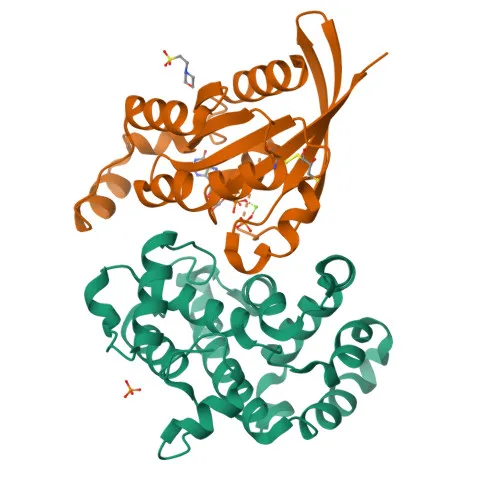
- The solved 3D structure of ARHGAP1 has provided insights into its catalytic mechanism and substrate recognition.
Experimental Guidance and Technical Tips
- The immunogen used for this antibody corresponds to the C-terminal region (amino acids 210–439) of human ARHGAP1; this region lies outside the GAP domain, potentially enhancing specificity.
- For Western blot (WB), a band at approximately 50 kDa is expected; consider using whole-cell lysates from human, mouse, or rat lines as positive controls.
- In immunoprecipitation (IP) assays, validate the antibody’s ability to pull down endogenous ARHGAP1 in the appropriate sample system, as its performance may vary with native complex formation.
- For ELISA applications, optimize coating and detection conditions empirically; include a negative control to assess background.
- Due to high sequence conservation, cross-reactivity with mouse and rat is predicted based on supplier data, but always confirm reactivity in the chosen experimental model.
- As a polyclonal antibody, lot-to-lot variability may occur; it is advisable to titrate each new lot for optimal working dilutions.
CamelBio: Your One-Stop Sourcing Bridge
CamelBio provides diagnostic manufacturers, laboratories, and research institutes with one-stop access to IVD raw materials, technical services, and consulting—covering every stage from concept to clinic. This ARHGAP1 polyclonal antibody supports research into GTPase signaling pathways and cytoskeletal regulation. Through CamelBio’s extensive supply network, customers can source validated antibody pairs, optimized monoclonal and polyclonal antibodies, bulk ancillary reagents, and even rare-target raw materials to accelerate their diagnostic development projects.
REQUEST A QUOTE
Our professional team will reply to you within one business day. Please feel free to contact us!