Monoclonal Antibodies
Anti-APRT Rabbit Monoclonal Antibody (KD Validated) for WB, IF/ICC, ELISA - P07741
Item Number : CM0010181
Price varies based on specs and customizations
- Application
- WB, IF/ICC, ELISA
- Cross Reactivity
- Human, Mouse, Rat
- Protein Weight
- 20kDa

Shipping:
Contact us to get shipping details Enjoy On-time Dispatch Guarantee.
Why Choose Us
Easy ordering process, quality products, and dedicated support for your business success.
Core Product Specifications and Parameters
| Parameter | Value |
|---|---|
| Product Name | [KD Validated] APRT Rabbit mAb |
| Remarks/Alias | AMP; APRTD |
| Species | Human |
| GeneID (human) | 353 |
| GeneID | 353 |
| Immunogen | Recombinant protein; Recombinant fusion protein containing a sequence corresponding to amino acids 1-180 of human APRT (NP_000476.1) |
| Source | Rabbit |
| Category | Monoclonal Antibodies |
| Application | WB, IF/ICC, ELISA |
| Cross Reactivity | Human, Mouse, Rat |
| SWISS | P07741 |
| Protein Weight | 20kDa |
| Shipping | Ice bag |
Biological Background: APRT Function and Localization
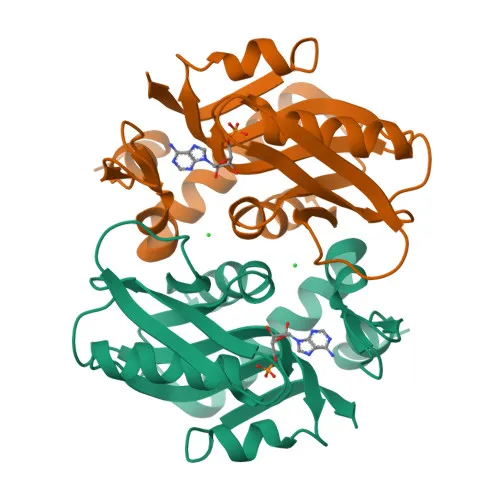
- Adenine phosphoribosyltransferase (APRT) catalyzes the salvage synthesis of AMP from adenine and 5-phosphoribosyl 1-pyrophosphate (PRPP), a reaction that is energetically less costly than de novo purine biosynthesis.
- This enzyme provides an alternative route to maintain adenylate nucleotide pools, particularly important in tissues with high energy demands or limited de novo synthesis capacity.
- APRT belongs to the purine/pyrimidine phosphoribosyltransferase family and is evolutionarily conserved across species.
- The protein localizes predominantly in the cytoplasm, consistent with its role in cytoplasmic nucleotide metabolism.
- Post-translational modifications include acetylation and phosphorylation, which may regulate enzyme activity or stability; alternative splicing produces multiple transcript variants.
- Mutations in the APRT gene are associated with adenine phosphoribosyltransferase deficiency, a disorder leading to 2,8-dihydroxyadenine urolithiasis and chronic kidney disease (disease variant keyword).
- The molecular weight of the canonical isoform is approximately 19.6 kDa, consistent with the observed 20 kDa band in Western blotting.
Experimental Guidance and Technical Tips
- The immunogen encompasses the full-length human APRT (residues 1–180), suggesting recognition of native and denatured forms; validate in relevant sample systems.
- For Western blot, a band around 20 kDa is expected; use appropriate molecular weight markers and consider loading controls for quantitative analysis.
- In immunofluorescence/immunocytochemistry, cytoplasmic staining should be observed; controls such as APRT knockout cell lines can help confirm specificity.
- ELISA performance may depend on coating conditions and antibody dilution; optimization is recommended.
- Cross-reactivity with mouse and rat APRT has been confirmed, but sequence homology suggests possible recognition of other mammalian species; verify if used beyond human, mouse, or rat.
CamelBio: Your One-Stop Sourcing Bridge
CamelBio streamlines your IVD raw material procurement by offering validated antibody pairs, optimized monoclonal/polyclonal antibodies, and bulk ancillary reagents. This anti-APRT Rabbit mAb exemplifies our commitment to providing high-quality antibodies for nucleotide metabolism research and diagnostic assay development. Whether you need rare-target antibody sourcing or comprehensive technical support, CamelBio bridges your path from concept to clinic.
Product Datasheet
Anti-APRT Rabbit Monoclonal Antibody (KD Validated) for WB, IF/ICC, ELISA - P07741
REQUEST A QUOTE
Our professional team will reply to you within one business day. Please feel free to contact us!