Polyclonal Antibodies
Anti-Apolipoprotein D (APOD) Polyclonal Antibody for IHC-P and ELISA - P05090
Item Number : CM0019262
Price varies based on specs and customizations
- Application
- IHC-P, ELISA
- Cross Reactivity
- Human
- Protein Weight
- 21kDa

Shipping:
Contact us to get shipping details Enjoy On-time Dispatch Guarantee.
Why Choose Us
Easy ordering process, quality products, and dedicated support for your business success.
Core Product Specifications and Parameters
| Parameter | Specification |
|---|---|
| Product Name | APOD Rabbit pAb |
| Remarks/Alias | APOD |
| Species | Human |
| GeneID (Human) | 347 |
| GeneID | 347 |
| Immunogen | Recombinant fusion protein containing a sequence corresponding to amino acids 21-189 of human APOD (NP_001638.1) |
| Source | Rabbit |
| Category | Polyclonal Antibodies |
| Application | IHC-P, ELISA |
| Cross Reactivity | Human |
| SWISS | P05090 |
| Protein Weight | 21kDa |
| Shipping | Ice bag |
Biological Background: Apolipoprotein D Function and Localization
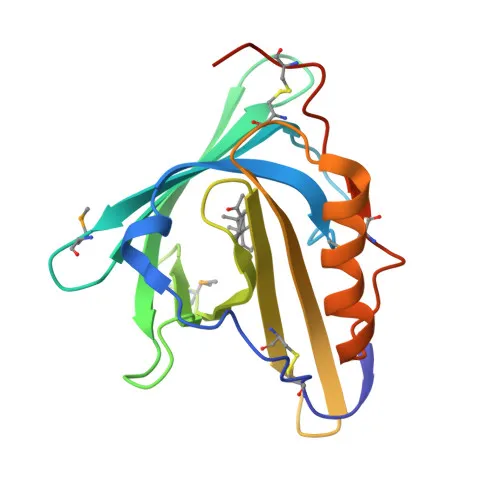
- Apolipoprotein D (APOD) is a 21 kDa secreted glycoprotein belonging to the lipocalin family, first identified in human plasma high-density lipoproteins (HDL).
- APOD participates in a macromolecular complex with lecithin-cholesterol acyltransferase (LCAT) and is likely involved in the transport and binding of bilin.
- The protein can transport a variety of hydrophobic ligands in different physiological contexts, suggesting roles in lipid metabolism and neuroprotection.
- APOD is predominantly secreted and is expressed in multiple tissues, including liver, intestine, pancreas, kidney, placenta, adrenal glands, spleen, fetal brain, and tears.
- Structurally, APOD contains conserved disulfide bonds and a pyrrolidone carboxylic acid modification, which contribute to its stability and function.
- Post-translational modifications include glycosylation, and the mature protein lacks the signal peptide, with a calculated molecular weight of approximately 21 kDa.
- As a reference proteome member, APOD has been extensively characterized by 3D-structure determination and direct protein sequencing, facilitating biomarker and diagnostic research.
Experimental Guidance and Technical Tips
- The immunogen corresponds to amino acids 21–189 of the mature human APOD, covering the majority of the ligand-binding domain; this design may favor detection of both native and partially denatured conformations.
- For immunohistochemistry (IHC-P), consider antigen retrieval protocols suitable for secreted proteins; a mild citrate buffer (pH 6.0) and moderate heating may enhance epitope exposure in paraffin-embedded sections.
- In ELISA applications, pairing this polyclonal antibody with a monoclonal capture antibody could improve assay specificity; optimize coating and blocking conditions using the recombinant protein as a reference standard.
- Given the secreted nature of APOD, sample preparation from tissue lysates or biological fluids should include appropriate protease inhibitors to maintain protein integrity.
- Validate staining specificity by comparing signal intensities between tissues known to express high (e.g., liver, placenta) versus low levels of APOD, and include a negative control with pre-immune rabbit IgG.
CamelBio: Your One-Stop Sourcing Bridge
CamelBio is your integrated partner for IVD raw-material procurement, offering validated antibody pairs, optimized polyclonal/monoclonal antibodies, and bulk ancillary reagents to streamline diagnostic development. This anti-APOD polyclonal antibody exemplifies our capability to supply critical tools for lipid metabolism, cardiovascular, and neurological disease research. From concept to clinic, we bridge the gap by sourcing rare-target raw materials and providing technical support, ensuring your project stays on track.
Product Datasheet
Anti-Apolipoprotein D (APOD) Polyclonal Antibody for IHC-P and ELISA - P05090
REQUEST A QUOTE
Our professional team will reply to you within one business day. Please feel free to contact us!