Monoclonal Antibodies
Anti-Apolipoprotein A1/APOA1 Monoclonal Antibody for WB, IF/ICC, ELISA - P02647
Item Number : CM0005464
Price varies based on specs and customizations
- Application
- WB, IF/ICC, ELISA
- Cross Reactivity
- Human, Mouse, Rat
- Protein Weight
- 28kDa

Shipping:
Contact us to get shipping details Enjoy On-time Dispatch Guarantee.
Why Choose Us
Easy ordering process, quality products, and dedicated support for your business success.
Core Product Specifications and Parameters
| Parameter | Value |
|---|---|
| Product Name | Apolipoprotein A1/APOA1 Rabbit mAb |
| Remarks/Alias | HPALP2; apo(a); Apolipoprotein A1/APOA1 |
| Species | Human |
| GeneID (human) | 335 |
| GeneID | 335 |
| Immunogen | Recombinant protein|Recombinant fusion protein containing a sequence corresponding to amino acids 25-267 of human Apolipoprotein A1/APOA1 (NP_000030.1) |
| Source | Rabbit |
| Category | Monoclonal Antibodies |
| Application | WB, IF/ICC, ELISA |
| Cross Reactivity | Human, Mouse, Rat |
| SWISS | P02647 |
| Protein Weight | 28kDa |
| Shipping | Ice bag |
Biological Background: Apolipoprotein A1/APOA1 Function and Localization
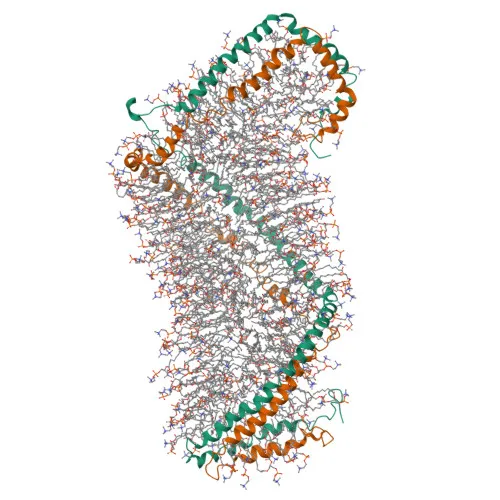
- Apolipoprotein A-I (APOA1) is the major protein component of high-density lipoprotein (HDL) in plasma.
- It plays a key role in reverse cholesterol transport, promoting cholesterol efflux from tissues and acting as a cofactor for lecithin cholesterol acyltransferase (LCAT).
- As part of the SPAP complex, APOA1 is involved in activating spermatozoa motility.
- APOA1 is synthesized in the liver and small intestine and is secreted into the bloodstream.
- It is also found in chylomicrons and is critical for lipid metabolism and transport.
- Oxidation of Met-110 and Met-136 is associated with increased coronary artery disease risk, such as in individuals with the eNOSa/b genotype or exposure to cigarette smoking.
- Elevated levels of oxidized APOA1 are observed in aortic lesions and correlate with disease severity.
- Keywords: Secreted, HDL, cholesterol metabolism, lipid transport, atherosclerosis, amyloidosis.
Experimental Guidance and Technical Tips
- The immunogen corresponds to the mature APOA1 protein (residues 25-267), suggesting the antibody likely recognizes the processed, secreted form.
- For Western blot (WB), the predicted molecular weight of the mature protein is approximately 28 kDa; however, observed bands may vary due to post-translational modifications such as glycosylation or oxidation.
- When performing IF/ICC, consider examining APOA1 localization in liver or intestinal cell lines, or in macrophage foam cells for atherosclerosis studies.
- For ELISA, validate the antibody in the appropriate biological matrix (e.g., plasma or serum) where APOA1 is abundant, and consider the potential for cross-reactivity with oxidized forms.
- Since the antibody cross-reacts with mouse and rat, it can be used for translational models; however, verify performance in the relevant sample system.
CamelBio: Your One-Stop Sourcing Bridge
CamelBio serves as a comprehensive sourcing partner for IVD raw materials, offering validated antibody pairs, optimized monoclonal and polyclonal antibodies, bulk ancillary reagents, and rare target sourcing. This anti-APOA1 monoclonal antibody supports research into cholesterol metabolism, atherosclerosis, and cardiovascular disease, aligning with CamelBio's commitment to enabling diagnostic development from concept to clinic.
Product Datasheet
Anti-Apolipoprotein A1/APOA1 Monoclonal Antibody for WB, IF/ICC, ELISA - P02647
REQUEST A QUOTE
Our professional team will reply to you within one business day. Please feel free to contact us!