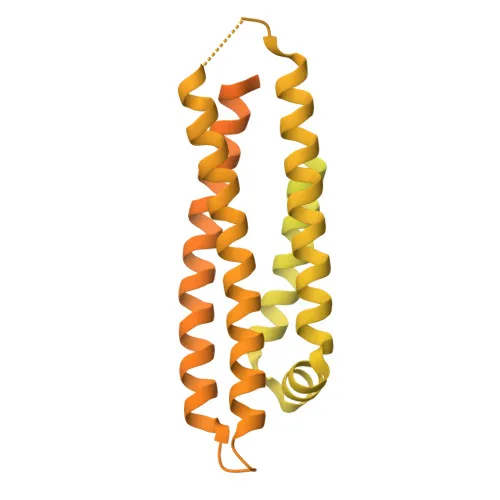
Monoclonal Antibodies
Anti-APOE Monoclonal Antibody for WB, IF/ICC, ELISA - P02649
Item Number : CM0009084
Price varies based on specs and customizations
- Application
- WB, IF/ICC, ELISA
- Cross Reactivity
- Human
- Protein Weight
- 36kDa

Shipping:
Contact us to get shipping details Enjoy On-time Dispatch Guarantee.
Why Choose Us
Easy ordering process, quality products, and dedicated support for your business success.
Core Product Specifications and Parameters
| Parameter | Value |
|---|---|
| Product Name | APOE Rabbit mAb |
| Remarks/Alias | AD2, LPG, APO-E, ApoE4, LDLCQ5 |
| Species | Human |
| GeneID (Human) | 348 |
| GeneID | 348 |
| Immunogen | Recombinant protein corresponding to amino acids 19-317 of human APOE (NP_000032.1) |
| Source | Rabbit |
| Category | Monoclonal Antibodies |
| Application | WB, IF/ICC, ELISA |
| Cross Reactivity | Human |
| SWISS | P02649 |
| Protein Weight | 36kDa |
| Shipping | Ice bag |
Biological Background: APOE Function and Localization
-
APOE (Apolipoprotein E) is a core component of plasma lipoproteins, mainly functioning in lipoprotein-mediated lipid transport between organs via plasma and interstitial fluids, and is involved in the production, conversion, and clearance of chylomicrons, VLDL, IDL, and HDL particles (PubMed:14754908, PubMed:1911868, PubMed:6860692, PubMed:1917954). Related references: PMID:14754908, PMID:1911868, PMID:6860692, PMID:1917954
-
APOE binds to cellular receptors including LDLR, LRP1, LRP2, LRP8, and VLDLR to mediate the uptake of APOE-containing lipoprotein particles, and also has heparin-binding activity that supports cell-surface capture via heparan-sulfate proteoglycans (PubMed:12950167, PubMed:1530612, PubMed:1917954, PubMed:23676495, PubMed:7635945, PubMed:9395455). Related references: PMID:12950167, PMID:1530612, PMID:1917954, PMID:23676495, PMID:7635945, PMID:9395455
-
It plays a critical role in reverse cholesterol transport by participating in ABCA1-mediated HDL biogenesis and mediating hepatic uptake of HDL, thereby contributing to cholesterol homeostasis (PubMed:14754908, PubMed:23620513, PubMed:9395455). Related references: PMID:14754908, PMID:23620513, PMID:9395455
-
In the central nervous system, APOE is important for lipid transport, regulating neuron survival and sprouting, and may influence Alzheimer's disease pathogenesis through receptor-dependent transcriptional regulation of APP (PubMed:25173806, PubMed:8939961, PubMed:28111074). Related references: PMID:25173806, PMID:8939961, PMID:28111074
-
APOE is secreted and found in extracellular space, extracellular matrix, and endosomal multivesicular bodies; it is produced mainly by liver hepatocytes, but also in brain (astrocytes, neurons), adrenal gland, kidney, spleen, and adipose tissue (PubMed:25173806, PubMed:10027417, PubMed:3115992). Related references: PMID:25173806, PMID:10027417, PMID:3115992
-
APOE is involved in innate and adaptive immune responses, binding to the immune cell receptor LILRB4 and controlling myeloid-derived suppressor cell survival; it also participates in HCV infection by interacting with viral envelope glycoprotein E2 (PubMed:30333625, PubMed:25122793, PubMed:29695434). Related references: PMID:30333625, PMID:25122793, PMID:29695434
-
Post-translational modifications include glycosylation, phosphorylation, and oxidation; it is susceptible to glycation, and variants are associated with hyperlipidemia and Alzheimer disease.
Experimental Guidance and Technical Tips
- The immunogen is a recombinant protein spanning amino acids 19-317 of human APOE, which covers the majority of the mature protein including the receptor-binding region. This design may allow the antibody to recognize both lipid-free and lipid-bound APOE conformations.
- For Western blotting, APOE is detected at an apparent molecular weight of ~36 kDa; consider validating in samples from liver, brain, or plasma where APOE is highly expressed. Use appropriate reducing conditions as APOE may form disulfide-linked complexes.
- In immunofluorescence/ICC, note that APOE is primarily secreted; fixation and permeabilization optimization may be required to visualize intracellular pools, and co-staining with organelle markers (e.g., ER, Golgi, or endosomes) is recommended.
- For ELISA, APOE can be quantified in serum/plasma or cell culture supernatants; however, high endogenous levels in serum may require dilution optimization and careful standard curve generation.
- Given the role of APOE isoforms in disease, researchers may consider isoform-specific validation if the antibody recognizes common epitopes; this antibody is raised against the reference sequence (NP_000032.1) which corresponds to the APOE3 isoform.
CamelBio: Your One-Stop Sourcing Bridge
CamelBio serves as a comprehensive IVD raw-material sourcing partner for diagnostic manufacturers and research institutions, offering streamlined access to validated antibody pairs, optimized monoclonal/polyclonal antibodies, bulk ancillary reagents, and rare target sourcing. This anti-APOE monoclonal antibody exemplifies our expanded portfolio for lipid metabolism and neurodegenerative disease research, supporting applications from biomarker discovery to assay development. Leverage CamelBio's one-stop supply chain to accelerate your diagnostic pipeline, backed by technical consultations and custom production solutions.
REQUEST A QUOTE
Our professional team will reply to you within one business day. Please feel free to contact us!