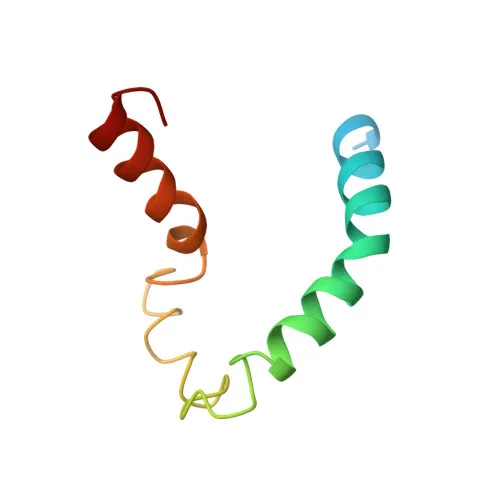
Polyclonal Antibodies
Anti-APOC2 Rabbit Polyclonal Antibody for WB, ELISA - P02655
Item Number : CM0020026
Price varies based on specs and customizations
- Application
- WB, ELISA
- Cross Reactivity
- Human, Rat
- Protein Weight
- 11kDa

Shipping:
Contact us to get shipping details Enjoy On-time Dispatch Guarantee.
Why Choose Us
Easy ordering process, quality products, and dedicated support for your business success.
Core Product Specifications and Parameters
| Parameter | Value |
|---|---|
| Product Name | APOC2 Rabbit pAb |
| Remarks/Alias | APO-CII; APOC-II; APOC2 |
| Species | Human |
| Gene ID (Human) | 344 |
| Gene ID | 344 |
| Immunogen | Recombinant fusion protein containing a sequence corresponding to amino acids 1-101 of human APOC2 (NP_000474.2). |
| Source | Rabbit |
| Category | Polyclonal Antibodies |
| Application | WB, ELISA |
| Cross Reactivity | Human, Rat |
| SWISS | P02655 |
| Protein Weight | 11kDa |
| Shipping | Ice bag |
Biological Background: APOC2 Function and Localization
- Apolipoprotein C-II (APOC2, also known as ApoC-II or Apolipoprotein C2) is a small exchangeable apolipoprotein primarily secreted by the liver and intestine.
- It serves as an essential cofactor for lipoprotein lipase (LPL), the enzyme responsible for hydrolyzing triglycerides in chylomicrons and very low-density lipoproteins (VLDL), thus facilitating the release of free fatty acids for tissue uptake.
- Both the full-length proprotein (proapolipoprotein C-II) and the mature form can activate LPL, indicating that proteolytic processing is not strictly required for its cofactor function.
- In the circulation, APOC2 is distributed across multiple lipoprotein classes; in normolipidemic individuals it is mainly found in high-density lipoprotein (HDL), while in hypertriglyceridemic conditions it shifts predominantly to VLDL and low-density lipoprotein (LDL).
- The protein is secreted and has a calculated molecular mass of approximately 11.3 kDa; it undergoes glycosylation and sialic acid modification.
- APOC2 is directly linked to lipid metabolism disorders; mutations or deficiency can lead to hyperlipoproteinemia type IB, characterized by severe hypertriglyceridemia.
Experimental Guidance and Technical Tips
- This rabbit polyclonal antibody was raised against full-length recombinant human APOC2 (amino acids 1–101). It is expected to recognize both the precursor and mature forms of the protein.
- For Western blot (WB), use a high-percentage gel (e.g., 15% or gradient) and optimize transfer conditions for low-molecular-weight proteins (~11 kDa). Include appropriate controls and validate band specificity in your sample system.
- The antibody also cross-reacts with rat APOC2, making it suitable for comparative studies in rodent models. However, users should verify performance in their specific assays.
- In ELISA applications, consider direct or sandwich formats. As a polyclonal reagent, it may be used for capture or detection, but pairing with a matched monoclonal antibody may improve sensitivity and specificity.
CamelBio: Your One-Stop Sourcing Bridge
CamelBio is a dedicated IVD raw material partner, offering research and diagnostic developers streamlined access to validated antibodies, bulk ancillary reagents, and custom sourcing for rare targets. This anti-APOC2 polyclonal antibody supports lipid metabolism and cardiovascular disease research, and CamelBio can supply complementary reagents such as matched antibody pairs, recombinant proteins, and assay development services to accelerate your diagnostic pipeline.
REQUEST A QUOTE
Our professional team will reply to you within one business day. Please feel free to contact us!