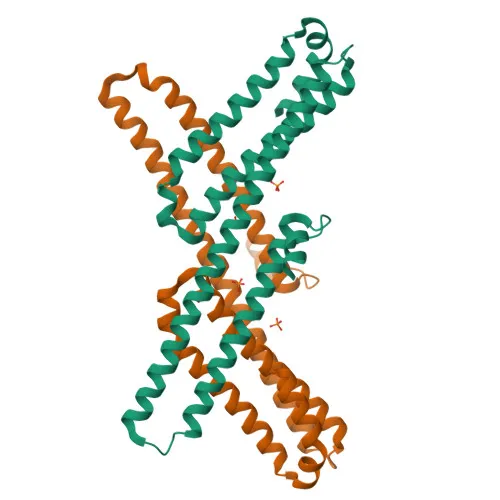
Polyclonal Antibodies
Anti-APLP1 Rabbit Polyclonal Antibody for WB, IHC-P, IF/ICC, ELISA - P51693
Item Number : CM0026913
Price varies based on specs and customizations
- Application
- WB, IHC-P, IF/ICC, ELISA
- Cross Reactivity
- Human, Mouse, Rat
- Protein Weight
- 72kDa

Shipping:
Contact us to get shipping details Enjoy On-time Dispatch Guarantee.
Why Choose Us
Easy ordering process, quality products, and dedicated support for your business success.
Core Product Specifications and Parameters
| Parameter | Value |
|---|---|
| Product Name | APLP1 Rabbit pAb |
| Remarks/Alias | APLP; APLP1 |
| Species | Human |
| Gene ID (Human) | 333 |
| Gene ID | 333 |
| Immunogen | Recombinant fusion protein containing a sequence corresponding to amino acids 285-490 of human APLP1 (NP_005157.1). |
| Source | Rabbit |
| Category | Polyclonal Antibodies |
| Application | WB, IHC-P, IF/ICC, ELISA |
| Cross Reactivity | Human, Mouse, Rat |
| SWISS | P51693 |
| Protein Weight | 72kDa |
| Shipping | Ice bag |
Biological Background: APLP1 Function and Localization
- APLP1 (Amyloid beta precursor like protein 1), also known as Amyloid-like protein 1, is a transmembrane glycoprotein belonging to the amyloid precursor protein family.
- It is expressed in the cerebral cortex, specifically localizing to the postsynaptic density (PSD), and may play a role in postsynaptic function.
- APLP1 couples to JIP signal transduction pathways via C-terminal binding and interacts with cellular G protein signaling.
- The C-terminal gamma-secretase processed fragment ALID1 activates transcription through APBB1 (Fe65) binding, while the gamma-CTF peptide C30 enhances neuronal apoptosis.
- The protein exhibits heparin-binding and cell adhesion properties, and may regulate neurite outgrowth through interactions with extracellular matrix components like collagen I.
- APLP1 contains metal-binding sites for copper and zinc, and its functions link to neurodegeneration and apoptosis.
Experimental Guidance and Technical Tips
- This antibody was raised against a recombinant protein spanning the mid-region (aa 285-490) of human APLP1, so it may recognize full-length and some processed isoforms.
- For Western blot, consider using brain tissue lysates or neuronal cell lines; the predicted molecular weight is ~72 kDa, but post-translational modifications may cause band shifts.
- In IHC-P, positive signal is expected in the cerebral cortex; validate with appropriate tissue controls.
- For IF/ICC, permeabilization may be necessary to detect cytoplasmic and membrane-associated APLP1; consider co-staining with synaptic markers.
- ELISA applications may require optimization of coating and detection conditions; the antibody can be used as a capture or detection reagent.
CamelBio: Your One-Stop Sourcing Bridge
CamelBio provides diagnostic manufacturers, laboratories, and research institutions with integrated access to IVD raw materials, technical services, and consulting. For neuroscientific and apoptosis-related research, we offer validated antibody pairs, optimized polyclonal antibodies like this anti-APLP1 reagent, bulk ancillary reagents, and rare-target raw-material sourcing. Partner with CamelBio as your reliable B2B sourcing bridge from concept to clinic.
REQUEST A QUOTE
Our professional team will reply to you within one business day. Please feel free to contact us!