Polyclonal Antibodies
Anti-APBA1 Polyclonal Antibody for IHC-P, IF/ICC, ELISA - Q02410
Item Number : CM0023631
Price varies based on specs and customizations
- Application
- IHC-P, IF/ICC, ELISA
- Cross Reactivity
- Human, Mouse
- Protein Weight
- 93kDa

Shipping:
Contact us to get shipping details Enjoy On-time Dispatch Guarantee.
Why Choose Us
Easy ordering process, quality products, and dedicated support for your business success.
Core Product Specifications and Parameters
| Parameter | Value |
|---|---|
| Product Name | APBA1 Rabbit pAb |
| Remarks/Alias | X11; X11A; LIN10; MINT1; D9S411E; X11ALPHA; APBA1 |
| Species | Human |
| Gene ID (Human) | 320 |
| Gene ID | 320 |
| Immunogen | Recombinant fusion protein containing a sequence corresponding to amino acids 240-390 of human APBA1 (NP_001154.2). |
| Source | Rabbit |
| Category | Polyclonal Antibodies |
| Application | IHC-P, IF/ICC, ELISA |
| Cross Reactivity | Human, Mouse |
| SWISS | Q02410 |
| Protein Weight | 93kDa |
| Shipping | Ice bag |
Biological Background: APBA1 Function and Localization
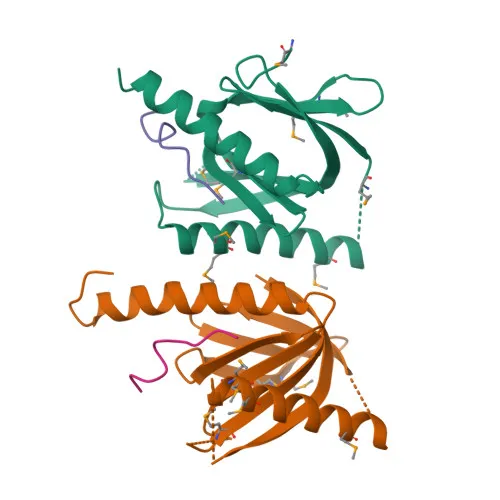
- APBA1 (Amyloid-beta A4 precursor protein-binding family A member 1), also known as MINT1, X11, or LIN10, is an adapter protein involved in synaptic vesicle exocytosis and neuronal protein trafficking. It binds to Munc18-1, an essential component of the exocytotic machinery.
- As part of the LIN-10-LIN-2-LIN-7 complex, APBA1 associates with the motor protein KIF17 to transport vesicles containing NMDA receptor subunit NR2B along microtubules.
- This protein may modulate the processing of the amyloid-beta precursor protein (APP) and thus influence the formation of APP-beta, linking it to Alzheimer's disease research.
- APBA1 localizes to the cytoplasm, perinuclear region, nucleus, and Golgi apparatus.
- It is predominantly expressed in the brain and spinal cord, with isoform 2 additionally found in testis.
- Key post-translational modifications include phosphorylation, and the protein contains multiple domains such as phosphotyrosine-binding (PTB) and PDZ domains.
- Alternative splicing generates multiple isoforms, contributing to functional diversity in different tissues.
Experimental Guidance and Technical Tips
- The immunogen corresponds to amino acids 240-390 of human APBA1, a region that may be well-conserved across species. When using this antibody in mouse samples, verify cross-reactivity through a pilot experiment.
- For IHC-P, consider antigen retrieval methods such as heat-induced epitope retrieval (HIER) in citrate buffer (pH 6.0) to ensure optimal detection. Validate in your specific tissue type.
- In IF/ICC, include appropriate controls (e.g., cells not expressing APBA1 or siRNA knockdown) to confirm specificity. Subcellular localization (cytoplasmic, nuclear, Golgi) should match known patterns.
- For ELISA, this polyclonal antibody may be used as a capture or detection reagent. Pairing with a monoclonal antibody enhances specificity; consider optimizing concentrations.
CamelBio: Your One-Stop Sourcing Bridge
CamelBio equips diagnostic manufacturers and research labs with a comprehensive portfolio of IVD raw materials, including validated antibodies, antigens, and ancillary reagents. For targets like APBA1 involved in neurological disease pathways, we offer polyclonal and monoclonal antibodies, bulk supply options, and customized sourcing for rare or emerging biomarkers. Let CamelBio streamline your procurement from concept to clinic.
REQUEST A QUOTE
Our professional team will reply to you within one business day. Please feel free to contact us!