Polyclonal Antibodies
Anti-AP1B1 Rabbit Polyclonal Antibody for WB, ELISA - Q10567
Item Number : CM0020308
Price varies based on specs and customizations
- Application
- WB, ELISA
- Cross Reactivity
- Human, Mouse, Rat
- Protein Weight
- 105kDa

Shipping:
Contact us to get shipping details Enjoy On-time Dispatch Guarantee.
Why Choose Us
Easy ordering process, quality products, and dedicated support for your business success.
Core Product Specifications and Parameters
| Parameter | Value |
|---|---|
| Product Name | AP1B1 Rabbit pAb |
| Remarks/Alias | ADTB1; BAM22; KIDAR; AP105A; CLAPB2; AP1B1 |
| Species | Human |
| GeneID (Human) | 162 |
| GeneID | 162 |
| Immunogen | Synthetic Peptide|A synthetic peptide corresponding to a sequence within amino acids 700-800 of human AP1B1 (NP_001118.3). |
| Source | Rabbit |
| Category | Polyclonal Antibodies |
| Application | WB, ELISA |
| Cross Reactivity | Human, Mouse, Rat |
| SWISS | Q10567 |
| Protein Weight | 105kDa |
| Shipping | Ice bag |
Biological Background: AP1B1 Function and Localization
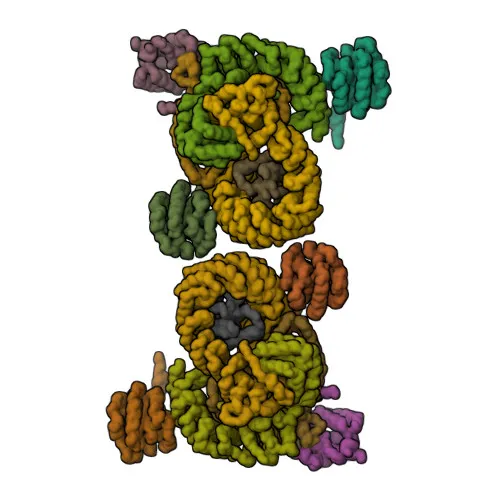
- AP1B1 encodes the beta1 subunit of the clathrin-associated adaptor protein complex 1 (AP-1), a heterotetrameric complex also known as Golgi adaptor HA1/AP1 adaptin beta subunit. The complex is critical for protein sorting between the trans-Golgi network (TGN) and endosomes.
- AP-1 mediates clathrin recruitment to membranes and recognizes specific sorting signals within the cytosolic tails of transmembrane cargo proteins, facilitating their packaging into clathrin-coated vesicles (PubMed:31630791). Related references: PMID:31630791
- Other aliases include Beta-1-adaptin, ADTB1, and CLAPB2, reflecting its role as a beta-adaptin subunit of the adaptor complex.
- Subcellularly, AP1B1 localizes predominantly to the Golgi apparatus and to clathrin-coated vesicle membranes at the TGN and/or endosomes.
- The protein is widely expressed across tissues, consistent with its fundamental role in intracellular membrane trafficking.
- Post-translational modifications include acetylation and nitration, and alternative splicing generates multiple isoforms. The protein is implicated in disease; variants are associated with deafness and ichthyosis.
- The full-length human AP1B1 protein has a molecular weight of approximately 104.6 kDa, and it contains domains essential for cargo recognition and clathrin binding.
Experimental Guidance and Technical Tips
- The immunogen corresponds to a synthetic peptide from amino acids 700-800 of human AP1B1 (NP_001118.3), a region likely in the C-terminal domain involved in cargo or accessory protein binding. Consider using this antibody for Western blot detection of endogenous AP1B1 in human, mouse, and rat cell lysates; the expected band is around 105 kDa.
- For ELISA, titrate the antibody against the immunogen peptide or recombinant AP1B1 to determine optimal working dilution.
- As a polyclonal antibody, it may recognize multiple epitopes and could exhibit batch-to-batch variability; validate performance in the relevant sample system and include appropriate controls.
CamelBio: Your One-Stop Sourcing Bridge
CamelBio offers diagnostic manufacturers, research labs, and institutes a streamlined single source for IVD raw materials, including validated antibody pairs, optimized monoclonal/polyclonal antibodies, bulk ancillary reagents, and bespoke sourcing of rare targets. The AP1B1 polyclonal antibody supports studies in intracellular trafficking and clathrin-mediated sorting, complementing our comprehensive portfolio for membrane biology and disease research.
REQUEST A QUOTE
Our professional team will reply to you within one business day. Please feel free to contact us!