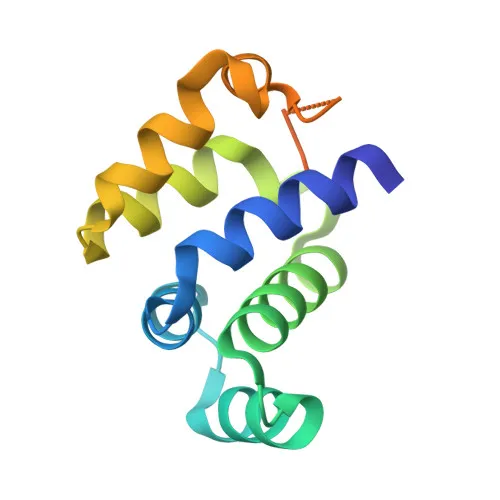
Polyclonal Antibodies
Anti-ANK3 Polyclonal Antibody for IF/ICC, ELISA - Q12955
Item Number : CM0021412
Price varies based on specs and customizations
- Application
- IF/ICC, ELISA
- Cross Reactivity
- Human, Mouse
- Protein Weight
- 480kDa

Shipping:
Contact us to get shipping details Enjoy On-time Dispatch Guarantee.
Why Choose Us
Easy ordering process, quality products, and dedicated support for your business success.
Core Product Specifications and Parameters
| Parameter | Value |
|---|---|
| Product Name | ANK3 Rabbit pAb |
| Remarks/Alias | MRT37; ANKYRIN-G; ANK3 |
| Species | Human |
| GeneID (Human) | 288 |
| GeneID | 288 |
| Immunogen | Recombinant Protein |
| Source | Rabbit |
| Category | Polyclonal Antibodies |
| Application | IF/ICC, ELISA |
| Cross Reactivity | Human, Mouse |
| SWISS | Q12955 |
| Protein Weight | 480kDa |
| Shipping | Ice bag |
Biological Background: ANK3 Function and Localization
- ANK3 encodes Ankyrin-3 (Ankyrin-G), a large membrane-cytoskeleton linker protein of the ankyrin family, characterized by multiple ANK repeat domains.
- It plays a key role in targeting and stabilizing ion channels and cell adhesion molecules at the axonal initial segment and nodes of Ranvier. Related references: PMID:7836469
- In the kidney, ANK3 modulates KCNA1 channel activity in response to dietary magnesium levels, thereby regulating renal magnesium reabsorption. Related references: PMID:23903368
- In skeletal muscle, ANK3 anchors dystrophin and β-dystroglycan at costameres and is required for proper myocyte adhesion and junctional conductance through stabilization of connexin-43 (GJA1) and Nav1.5 (SCN5A).
- ANK3 localizes to multiple cellular compartments, including the sarcolemma, T-tubules, axonal projections, postsynaptic membranes, Golgi apparatus, lysosomes, and the cytoskeleton.
- Post-translational modifications include phosphorylation, and alternative splicing generates multiple tissue-specific isoforms expressed predominantly in brain, neurons, and muscle.
- Genetic alterations in ANK3 are associated with neurological disorders such as autism spectrum disorder and intellectual disability.
Experimental Guidance and Technical Tips
- The immunogen corresponds to amino acids 833–977 of human ANK3, a region within the ankyrin repeat domains; ensure the epitope is accessible in your target sample.
- Recommended for immunofluorescence/immunocytochemistry and ELISA; validate detection in human or mouse cell lines expressing ANK3 (e.g., neuronal or muscle cells).
- The full-length protein has a predicted molecular weight of approximately 480 kDa; consider using appropriate gel electrophoresis and transfer conditions for high‑molecular‑weight detection if applied in other methods.
- Optimize dilution factors and blocking conditions to suit your experimental system.
CamelBio: Your One-Stop Sourcing Bridge
CamelBio partners with diagnostic manufacturers and research laboratories to streamline IVD raw-material supply, covering every stage from concept to clinic. This anti-ANK3 antibody supports investigations in neuroscience, muscle biology, and ion channel regulation, and we can source complementary reagents such as validated antibody pairs, optimized monoclonal/polyclonal antibodies, bulk ancillary reagents, and rare‑target raw materials. Contact us to discuss sourcing needs or technical consultation for your diagnostic development.
REQUEST A QUOTE
Our professional team will reply to you within one business day. Please feel free to contact us!