Polyclonal Antibodies
Anti-ANGPTL4 Polyclonal Antibody for WB, IHC-P, IF/ICC, ELISA - Q9BY76
Item Number : CM0024109
Price varies based on specs and customizations
- Application
- WB, IHC-P, IF/ICC, ELISA
- Cross Reactivity
- Human, Mouse, Rat
- Protein Weight
- 45kDa

Shipping:
Contact us to get shipping details Enjoy On-time Dispatch Guarantee.
Why Choose Us
Easy ordering process, quality products, and dedicated support for your business success.
Core Product Specifications and Parameters
| Parameter | Value |
|---|---|
| Product Name | ANGPTL4 Rabbit pAb |
| Remarks/Alias | NL2, ARP4, FIAF, HARP, PGAR, HFARP, TGQTL, UNQ171, pp1158, ANGPTL4 |
| Species | Human |
| GeneID | 51129 |
| Immunogen | Recombinant fusion protein containing a sequence corresponding to amino acids 26-170 of human ANGPTL4 (NP_647475.1) |
| Source | Rabbit |
| Category | Polyclonal Antibodies |
| Application | WB, IHC-P, IF/ICC, ELISA |
| Cross Reactivity | Human, Mouse, Rat |
| SWISS | Q9BY76 |
| Protein Weight | 45kDa |
| Shipping | Ice bag |
Biological Background: ANGPTL4 Function and Localization
- ANGPTL4 (Angiopoietin-related protein 4), also known as hepatic fibrinogen/angiopoietin-related protein (HFARP), is a secreted glycoprotein that functions as a regulator of lipid metabolism by mediating inactivation of lipoprotein lipase (LPL), thereby controlling triglyceride clearance from blood (PubMed:19270337, PubMed:21398697, PubMed:27929370). Related references: PMID:19270337, PMID:21398697, PMID:27929370
- The full-length protein undergoes proteolytic cleavage to generate an N-terminal coiled-coil domain and a C-terminal fibrinogen-like domain; the cleaved N-terminal fragment shows higher activity in LPL inactivation than the uncleaved protein (PubMed:19270337, PubMed:21398697). Related references: PMID:19270337, PMID:21398697
- ANGPTL4 plays a role in regulating glucose homeostasis and insulin sensitivity, and it may also modulate tumor-related angiogenesis depending on context (By similarity).
- It inhibits proliferation, migration, and tubule formation of endothelial cells and reduces vascular leakage (PubMed:14583458, PubMed:17068295). Additionally, it inhibits adhesion of endothelial cells to the extracellular matrix and disrupts actin cytoskeleton reorganization in vitro (PubMed:17068295). Related references: PMID:14583458, PMID:17068295
- ANGPTL4 is secreted and localizes to the extracellular space and extracellular matrix.
- It is expressed at high levels in the placenta, heart, liver, muscle, pancreas, and lung, but poorly in the brain and kidney; it is also detected in blood plasma and white fat tissue (PubMed:10698685, PubMed:10866690, PubMed:29899519). Related references: PMID:10698685, PMID:10866690, PMID:29899519
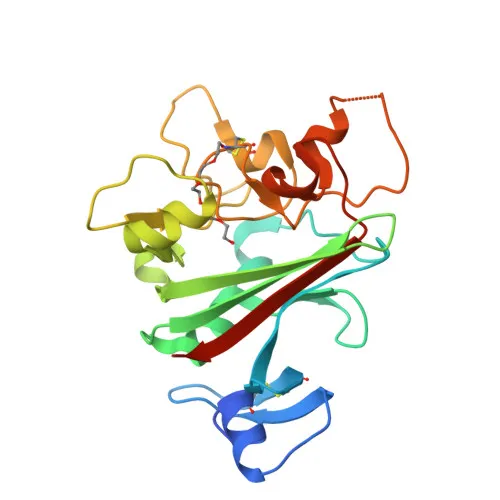
- Key structural features include an N-terminal signal peptide, a coiled-coil domain, and a C-terminal fibrinogen-like domain, with multiple disulfide bonds and glycosylation sites.
Experimental Guidance and Technical Tips
- The immunogen corresponds to amino acids 26–170, covering the N-terminal coiled-coil domain of ANGPTL4. This region is involved in LPL interaction and inhibition, making the antibody potentially useful for detecting both full-length and N-terminal cleaved forms.
- For Western blot (WB), the predicted molecular weight of full-length ANGPTL4 is approximately 45 kDa; however, due to glycosylation and cleavage, multiple bands may be observed. Validate detection in relevant sample systems.
- In immunohistochemistry (IHC-P) and immunofluorescence (IF/ICC), consider antigen retrieval and permeabilization protocols optimized for secretory proteins. Including appropriate controls (e.g., knockout or blocking peptide) can confirm specificity.
- For ELISA applications, this polyclonal antibody can be used as capture or detection antibody; however, pairing with a monoclonal antibody may be necessary for sandwich ELISA development. Titration and optimization are recommended.
CamelBio: Your One-Stop Sourcing Bridge
CamelBio provides diagnostic manufacturers and research labs with reliable access to high-quality IVD raw materials, including validated antibody pairs, optimized monoclonal and polyclonal antibodies, and bulk ancillary reagents. This ANGPTL4 antibody supports studies in lipid metabolism, angiogenesis, and related disease research areas. For specialized needs such as rare-target raw material sourcing or custom antibody development, our team offers tailored procurement and technical consulting services to accelerate your project from concept to clinic.
Product Datasheet
Anti-ANGPTL4 Polyclonal Antibody for WB, IHC-P, IF/ICC, ELISA - Q9BY76
REQUEST A QUOTE
Our professional team will reply to you within one business day. Please feel free to contact us!