Polyclonal Antibodies
Anti-ANAPC11 Polyclonal Antibody for WB, IHC-P, IF/ICC, ELISA - Q9NYG5
Item Number : CM0013242
Price varies based on specs and customizations
- Application
- WB, IHC-P, IF/ICC, ELISA
- Cross Reactivity
- Human, Mouse
- Protein Weight
- 10kDa

Shipping:
Contact us to get shipping details Enjoy On-time Dispatch Guarantee.
Why Choose Us
Easy ordering process, quality products, and dedicated support for your business success.
Core Product Specifications and Parameters
| Parameter | Value |
|---|---|
| Product Name | ANAPC11 Rabbit pAb |
| Remarks/Alias | APC11; Apc11p; HSPC214; ANAPC11 |
| Species | Human |
| GeneID (Human) | 51529 |
| GeneID | 51529 |
| Immunogen | Recombinant fusion protein containing a sequence corresponding to amino acids 1-84 of human ANAPC11 (NP_001002245.1). |
| Source | Rabbit |
| Category | Polyclonal Antibodies |
| Application | WB, IHC-P, IF/ICC, ELISA |
| Cross Reactivity | Human, Mouse |
| SWISS | Q9NYG5 |
| Protein Weight | 10kDa |
| Shipping | Ice bag |
Biological Background: ANAPC11/APC11 Function and Localization
- ANAPC11, also known as Anaphase-promoting complex subunit 11, Cyclosome subunit 11, or Hepatocellular carcinoma-associated RING finger protein, is encoded by the ANAPC11 gene and produces a 10 kDa protein (Q9NYG5).
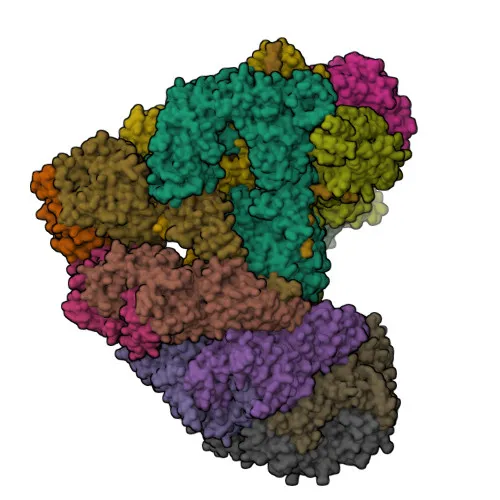
- It is a core component of the anaphase promoting complex/cyclosome (APC/C), a cell cycle-regulated E3 ubiquitin ligase that controls progression through the cell cycle by mediating ubiquitination and degradation of target proteins. Related references: PMID:11739784, PMID:18485873, PMID:27120157
- Together with ANAPC2, ANAPC11 forms the catalytic component of the E3 ligase, primarily catalyzing the formation of 'Lys-11'-linked polyubiquitin chains, and to a lesser extent 'Lys-48'- and 'Lys-63'-linked chains. Related references: PMID:11739784, PMID:18485873, PMID:29033132
- APC/C is activated by CDC20 in the metaphase/anaphase transition, targeting critical proteins like cyclin B and securin for degradation; activity is inhibited by the mitotic checkpoint complex (MCC) to delay chromosome segregation. Related references: PMID:27120157, PMID:27509861
- The protein contains a RING finger domain and binds zinc ions, features characteristic of its E3 ubiquitin ligase activity.
- ANAPC11 localizes to both the cytoplasm and nucleus, consistent with its role in cell cycle regulation.
- It is highly expressed in skeletal muscle and heart, with moderate levels in brain, kidney, and liver, and low levels in colon, thymus, spleen, small intestine, placenta, lung, and peripheral blood leukocyte.
- Alternative splicing has been observed for ANAPC11, potentially generating multiple isoforms.
Experimental Guidance and Technical Tips
- The immunogen used to generate this antibody corresponds to the N-terminal region (amino acids 1-84) of human ANAPC11, which encompasses the RING finger domain; this design may preserve epitope accessibility for detecting endogenous protein.
- For Western blotting, a band of approximately 10 kDa is expected; using optimized low-molecular-weight transfer conditions is recommended to avoid loss of small proteins.
- In immunofluorescence (IF/ICC) and immunohistochemistry (IHC-P), verify antibody specificity in relevant tissue types (e.g., skeletal muscle or heart where expression is high) and include appropriate controls.
- The antibody has been validated in ELISA and can be considered for quantitative detection in cellular lysates or purified recombinant protein applications.
- Cross-reactivity is reported for human and mouse; for other species, sequence homology analysis of the immunogen region may help predict reactivity, but experimental validation is advised.
CamelBio: Your One-Stop Sourcing Bridge
CamelBio provides a comprehensive procurement platform for IVD raw materials, offering validated antibody pairs, optimized polyclonal and monoclonal antibodies, and ancillary reagents to support diagnostic manufacturers and research laboratories. For cell cycle and ubiquitin-proteasome research, this anti-ANAPC11 antibody serves as a reliable tool for studying APC/C function and related pathways. Backed by a robust supply chain, CamelBio ensures consistent quality, flexible sourcing, and technical consultation from concept to clinic.
Product Datasheet
Anti-ANAPC11 Polyclonal Antibody for WB, IHC-P, IF/ICC, ELISA - Q9NYG5
REQUEST A QUOTE
Our professional team will reply to you within one business day. Please feel free to contact us!