Polyclonal Antibodies
Anti-AMPKβ1 Polyclonal Antibody (KO Validated) for WB, IF/ICC, and ELISA - Q9Y478
Item Number : CM0013579
Price varies based on specs and customizations
- Application
- WB, IF/ICC, ELISA
- Cross Reactivity
- Human, Mouse, Rat
- Protein Weight
- 30kDa

Shipping:
Contact us to get shipping details Enjoy On-time Dispatch Guarantee.
Why Choose Us
Easy ordering process, quality products, and dedicated support for your business success.
Core Product Specifications and Parameters
| Parameter | Details |
|---|---|
| Product Name | [KO Validated] AMPKβ1 Rabbit pAb |
| Remarks/Alias | AMPK; HAMPKb; β1 |
| Species | Human |
| GeneID (Human) | 5564 |
| GeneID | 5564 |
| Immunogen | Recombinant fusion protein containing a sequence corresponding to amino acids 1-80 of human AMPKβ1 (NP_006244.2). |
| Source | Rabbit |
| Category | Polyclonal Antibodies |
| Application | WB, IF/ICC, ELISA |
| Cross Reactivity | Human, Mouse, Rat |
| SWISS | Q9Y478 |
| Protein Weight | 30kDa |
| Shipping | Ice bag |
Biological Background: AMPKβ1 Function and Localization
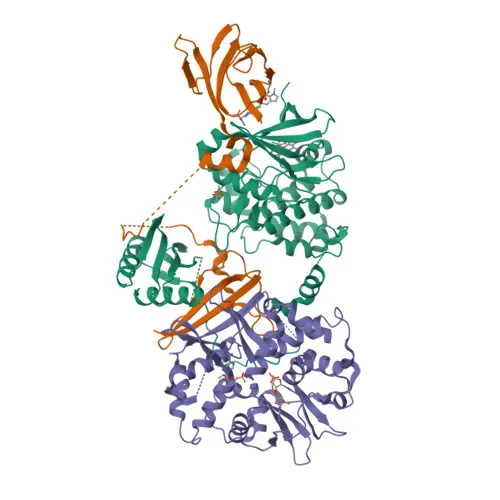
- The 5'-AMP-activated protein kinase subunit beta-1 (AMPKβ1), encoded by the PRKAB1 gene, is a non-catalytic regulatory subunit of the AMPK heterotrimeric complex.
- AMPKβ1 acts as a scaffold, bridging the catalytic α subunit (PRKAA1/2) and the regulatory γ subunit (PRKAG1/2/3) via its C-terminal domain, enabling complex assembly and activity.
- AMPK functions as a key energy sensor: under low intracellular ATP, it activates catabolic pathways (generating ATP) and inhibits anabolic processes (consuming ATP), thereby maintaining energy homeostasis.
- Through direct phosphorylation of metabolic enzymes and indirect regulation via transcription factor phosphorylation, AMPK modulates lipid biosynthesis, fatty acid oxidation, and protein synthesis.
- Beyond metabolism, AMPKβ1 contributes to the regulation of cellular polarity and actin cytoskeleton remodeling, likely through myosin activation, influencing cell structure and migration.
- The protein undergoes post-translational modifications, including N‑terminal myristoylation, which may facilitate membrane association and subcellular targeting, as reflected by keywords such as Lipoprotein and Myristate.
Experimental Guidance and Technical Tips
- The immunogen corresponds to the N-terminal region (aa 1‑80) of human AMPKβ1; this design may favor recognition of the full-length protein and could avoid C-terminal epitope masking by interaction partners.
- For Western blot (WB) analysis of human, mouse, or rat cell lysates, a band at approximately 30 kDa is expected; confirm band specificity by parallel use of AMPK agonists or inhibitors, or by siRNA/CRISPR‑mediated knockdown.
- In immunofluorescence (IF/ICC) experiments, the subcellular localization of AMPKβ1 is dynamic; include appropriate controls and validate in the cell type and treatment conditions of interest.
- For ELISA applications, test the antibody’s performance with recombinant AMPKβ1 protein or cell lysates, and consider using a matching capture/detection pair if developing a sandwich assay.
- As this is a polyclonal antibody, lot-to-lot consistency should be verified; consider performing a bridging study when adopting a new lot into validated workflows.
CamelBio: Your One-Stop Sourcing Bridge
CamelBio supports diagnostic and life-science manufacturers by providing a comprehensive portfolio of IVD raw materials—from validated antibody pairs and optimized monoclonal/polyclonal antibodies to bulk ancillary reagents and rare-target sourcing. For AMPKβ1 and related energy-sensing pathway targets, we can supply partner-validated reagents and assist with custom development. Our one-stop platform simplifies your supply chain from concept to clinic.
Product Datasheet
Anti-AMPKβ1 Polyclonal Antibody (KO Validated) for WB, IF/ICC, and ELISA - Q9Y478
REQUEST A QUOTE
Our professional team will reply to you within one business day. Please feel free to contact us!