Polyclonal Antibodies
Anti-AMPKβ1 Polyclonal Antibody for WB, IHC-P, ELISA - Q9Y478
Item Number : CM0025442
Price varies based on specs and customizations
- Application
- WB, IHC-P, ELISA
- Cross Reactivity
- Human, Mouse, Rat
- Protein Weight
- 30kDa

Shipping:
Contact us to get shipping details Enjoy On-time Dispatch Guarantee.
Why Choose Us
Easy ordering process, quality products, and dedicated support for your business success.
Core Product Specifications and Parameters
| Parameter | Value |
|---|---|
| Product Name | AMPKβ1 Rabbit pAb |
| Remarks/Alias | AMPK; HAMPKb; AMPKβ1 |
| Species | Human |
| Gene ID (Human) | 5564 |
| Gene ID | 5564 |
| Immunogen | Synthetic peptide|A synthetic peptide corresponding to a sequence within amino acids 100-200 of human AMPKβ1 (NP_006244.2). |
| Source | Rabbit |
| Category | Polyclonal Antibodies |
| Application | WB, IHC-P, ELISA |
| Cross Reactivity | Human, Mouse, Rat |
| SWISS | Q9Y478 |
| Protein Weight | 30kDa |
| Shipping | Ice bag |
Biological Background: AMPKβ1 Function and Localization
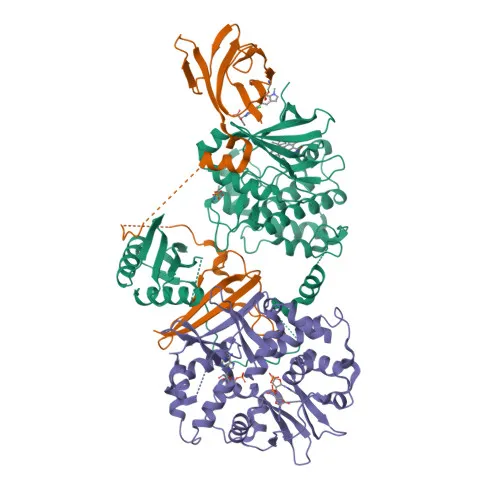
- AMPKβ1, encoded by the PRKAB1 gene, is the non-catalytic beta-1 subunit of AMP-activated protein kinase (AMPK). It functions as a scaffold, bridging the alpha catalytic and gamma regulatory subunits to form the heterotrimeric complex.
- As the energy-sensing kinase, AMPK becomes activated when intracellular ATP levels drop. It then promotes energy-producing (catabolic) pathways and inhibits energy-consuming (anabolic) processes.
- Activated AMPK directly phosphorylates key metabolic enzymes, and also exerts longer-term regulatory effects via phosphorylation of transcription factors, thereby suppressing protein, carbohydrate, and lipid biosynthesis.
- Beyond metabolic control, AMPKβ1 contributes to cellular polarity by remodeling the actin cytoskeleton, likely through indirect activation of myosin.
- The protein undergoes myristoylation and phosphorylation, modifications that can influence its subcellular localization and activity.
- AMPKβ1 is classified as a phosphoprotein and lipoprotein, and has been identified in proteomics studies.
Experimental Guidance and Technical Tips
- The immunogen used was a synthetic peptide corresponding to amino acids 100-200 of human AMPKβ1 (NP_006244.2). Cross-reactivity with mouse and rat suggests sequence conservation in this region, but users should verify alignment if using other species.
- This polyclonal antibody is suitable for Western blot (WB), immunohistochemistry (IHC-P), and ELISA per supplier specifications. For each application, validate with appropriate positive and negative controls.
- For WB, the predicted molecular weight is 30kDa, but consider that post-translational modifications may cause slight shifts. Use appropriate lysis buffers and loading controls.
- In IHC-P, antigen retrieval conditions may need optimization; consider testing a panel of tissues known to express AMPKβ1.
- Note that the antibody recognizes endogenous levels in human, mouse, and rat; validate in your specific sample system.
CamelBio: Your One-Stop Sourcing Bridge
CamelBio supports your metabolic research and IVD development with a comprehensive portfolio of raw materials including validated antibody pairs, optimized polyclonal and monoclonal antibodies, and ancillary reagents. Whether you need bulk quantities of this AMPKβ1 antibody or assistance sourcing rare-target reagents, CamelBio serves as your integrated procurement partner from discovery to clinical application.
REQUEST A QUOTE
Our professional team will reply to you within one business day. Please feel free to contact us!