Polyclonal Antibodies
Anti-Amphiregulin (AREG) Rabbit Polyclonal Antibody for IF/ICC, ELISA - P15514
Item Number : CM0014453
Price varies based on specs and customizations
- Application
- IF/ICC, ELISA
- Cross Reactivity
- Mouse
- Protein Weight
- 28kDa

Shipping:
Contact us to get shipping details Enjoy On-time Dispatch Guarantee.
Why Choose Us
Easy ordering process, quality products, and dedicated support for your business success.
Core Product Specifications and Parameters
| Parameter | Value |
|---|---|
| Product Name | AREG Rabbit pAb |
| Remarks/Alias | AR; SDGF; AREGB; CRDGF; AREG |
| Species | Human |
| GeneID (Human) | 374 |
| GeneID | 374 |
| Immunogen | Recombinant fusion protein containing a sequence corresponding to amino acids 20-252 of human AREG (NP_001648.1). |
| Source | Rabbit |
| Category | Polyclonal Antibodies |
| Application | IF/ICC, ELISA |
| Cross Reactivity | Mouse |
| SWISS | P15514 |
| Protein Weight | 28kDa |
| Shipping | Ice bag |
Biological Background: Amphiregulin Function and Localization
- Amphiregulin (AREG), also known as Colorectum cell-derived growth factor (CRDGF), is a ligand of the epidermal growth factor receptor (EGFR).
- It acts as an autocrine growth factor and mitogen for a broad range of target cells, including astrocytes, Schwann cells, and fibroblasts.
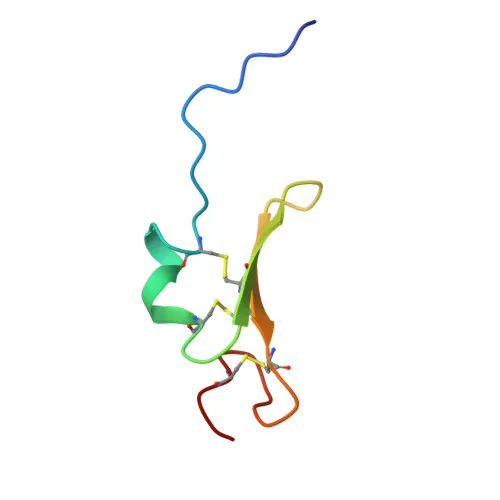
- AREG is synthesized with a signal peptide and contains an EGF-like domain, a transmembrane helix, and glycosylation sites.
- The protein exists as a membrane-anchored precursor that can be proteolytically cleaved to release a soluble, active form.
- Structural features such as disulfide bonds and glycosylation are critical for its stability and receptor-binding activity.
- Keywords assigned by UniProt: 3D-structure, Cytokine, Direct protein sequencing, Disulfide bond, EGF-like domain, Glycoprotein, Growth factor, Membrane, Signal, Transmembrane.
Experimental Guidance and Technical Tips
- The immunogen covers the extracellular region (aa 20-252), suggesting recognition of both the membrane-bound and soluble forms of AREG.
- For immunofluorescence (IF/ICC), optimize fixation and permeabilization protocols to detect membrane-localized AREG; consider co-staining with ER or Golgi markers if trafficking is studied.
- Validate the antibody in relevant cell lines (e.g., fibroblasts, glioblastoma, colorectal cancer) that endogenously express AREG.
- In ELISA, test the antibody as a capture or detection reagent; assess cross-reactivity with other EGF family ligands to ensure specificity.
- Predicted mouse cross-reactivity allows use in mouse models, but always confirm reactivity and titer for the intended application.
CamelBio: Your One-Stop Sourcing Bridge
CamelBio offers comprehensive access to IVD raw materials, streamlining your procurement from a single source. For Amphiregulin (AREG) research—a key player in cell growth and EGFR signaling—we supply validated antibody pairs, optimized polyclonal and monoclonal antibodies, and bulk ancillary reagents to accelerate your assay development. Our global sourcing network also specializes in rare-target raw materials, helping you bridge from concept to clinic efficiently.
Product Datasheet
Anti-Amphiregulin (AREG) Rabbit Polyclonal Antibody for IF/ICC, ELISA - P15514
REQUEST A QUOTE
Our professional team will reply to you within one business day. Please feel free to contact us!