Monoclonal Antibodies
Anti-AMHR2 Rabbit Monoclonal Antibody for WB, ELISA - Q16671
Item Number : CM0006529
Price varies based on specs and customizations
- Application
- WB, ELISA
- Cross Reactivity
- Human
- Protein Weight
- 63 kDa

Shipping:
Contact us to get shipping details Enjoy On-time Dispatch Guarantee.
Why Choose Us
Easy ordering process, quality products, and dedicated support for your business success.
Core Product Specifications and Parameters
| Parameter | Value |
|---|---|
| Product Name | AMHR2 Rabbit mAb |
| Remarks/Alias | AMHR; MRII; MISR2; MISRII; AMHR2 |
| Species | Human |
| GeneID (Human) | 269 |
| GeneID | 269 |
| Immunogen | Recombinant fusion protein containing a sequence corresponding to amino acids 18-144 of human AMHR2 (NP_065434.1). |
| Source | Rabbit |
| Category | Monoclonal Antibodies |
| Application | WB, ELISA |
| Cross Reactivity | Human |
| SWISS | Q16671 |
| Protein Weight | 63 kDa |
| Shipping | Ice bag |
Biological Background: AMHR2 Function and Localization
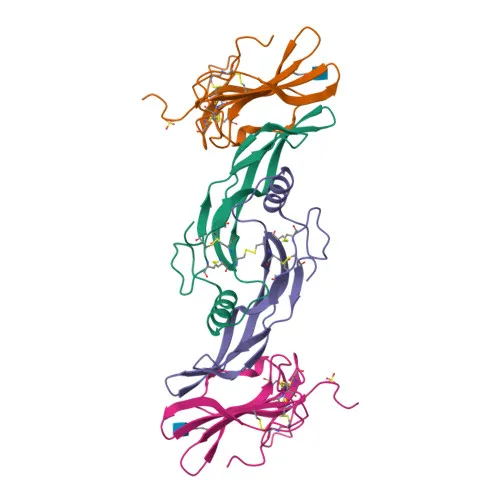
- AMHR2 encodes the anti-Muellerian hormone type-2 receptor (also known as MIS type II receptor, MISRII, MRII), a single-pass type I membrane protein with serine/threonine kinase activity.
- Upon ligand binding (AMH/MIS), it forms a heteromeric complex with type I receptors, triggering phosphorylation cascades that activate SMAD transcriptional regulators.
- This signaling mediates key processes in sex determination, Mullerian duct regression in males, and reproductive organogenesis.
- The receptor is located on the plasma membrane, consistent with its role in extracellular signal transduction.
- Post-translational modifications include glycosylation and disulfide bond formation, which are important for receptor stability and function.
- Alternative splicing produces multiple isoforms, potentially affecting ligand binding or signaling.
- Pathogenic variants in AMHR2 cause persistent Mullerian duct syndrome (PMDS), a disorder of sexual development characterized by the presence of Mullerian derivatives in males.
Experimental Guidance and Technical Tips
- The immunogen corresponds to the N-terminal extracellular domain (aa 18-144), likely accessible for antibody binding in native conditions; consider this for applications requiring native protein recognition.
- For western blot (WB) detection, the predicted molecular weight is 63 kDa; validate the band size in relevant cell lines or tissues expressing AMHR2.
- Optimize ELISA conditions by titrating the antibody against recombinant AMHR2 extracellular domain or positive control lysates.
- Since cross-reactivity is reported for human only, validation may be required for use in other species.
CamelBio: Your One-Stop Sourcing Bridge
CamelBio provides diagnostic manufacturers, labs, and research institutes with one-stop access to IVD raw materials, technical services, and consulting—covering every stage from concept to clinic. Our AMHR2 rabbit monoclonal antibody supports reproductive biology and TGF-beta signaling research. We offer validated antibody pairs, optimized monoclonal/polyclonal antibodies, bulk ancillary reagents, and rare target raw-material sourcing to streamline your diagnostic development.
REQUEST A QUOTE
Our professional team will reply to you within one business day. Please feel free to contact us!