Polyclonal Antibodies
Anti-AMD1 Polyclonal Antibody for WB, ELISA - P17707
Item Number : CM0028469
Price varies based on specs and customizations
- Application
- WB, ELISA
- Cross Reactivity
- Human, Mouse, Rat
- Protein Weight
- 38kDa

Shipping:
Contact us to get shipping details Enjoy On-time Dispatch Guarantee.
Why Choose Us
Easy ordering process, quality products, and dedicated support for your business success.
Core Product Specifications and Parameters
| Parameter | Value |
|---|---|
| Product Name | AMD1 Rabbit pAb |
| Remarks/Alias | AMD; SAMDC; ADOMETDC; AMD1 |
| Species | Human |
| GeneID (Human) | 262 |
| GeneID | 262 |
| Immunogen | Recombinant fusion protein containing a sequence corresponding to amino acids 75-334 of human AMD1 (NP_001625.2) |
| Source | Rabbit |
| Category | Polyclonal Antibodies |
| Application | WB, ELISA |
| Cross Reactivity | Human, Mouse, Rat |
| SWISS | P17707 |
| Protein Weight | 38kDa |
| Shipping | Ice bag |
Biological Background: AMD1 Function and Localization
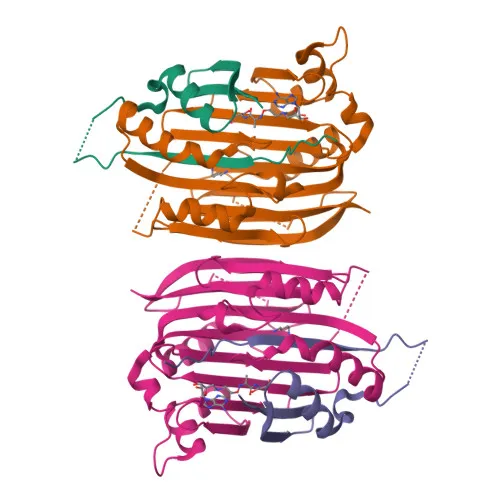
- AMD1 (also known as SAMDC, ADOMETDC) encodes S-adenosylmethionine decarboxylase proenzyme, a key enzyme in the polyamine biosynthesis pathway.
- The enzyme catalyzes the decarboxylation of S-adenosylmethionine to produce decarboxylated S-adenosylmethionine, a critical step for the synthesis of spermidine and spermine.
- The active enzyme is generated by autocatalytic cleavage of the proenzyme, producing a pyruvoyl group from a serine residue which is essential for catalytic activity.
- AMD1 is implicated in the maintenance and self-renewal of embryonic stem cells through the regulation of intracellular spermine levels.
- The protein is subject to phosphorylation and alternative splicing, generating multiple isoforms that may differ in activity or regulation.
- Molecular weight of the unprocessed proenzyme is approximately 38.3 kDa (calculated from amino acid sequence).
Experimental Guidance and Technical Tips
- The immunogen corresponds to a large internal region of human AMD1 (aa 75–334), which may recognize multiple isoforms or processed forms; consider verifying the detected band sizes in your sample system.
- For Western blot analysis, the predicted molecular weight is around 38 kDa, but autocatalytic processing can yield smaller fragments; optimize denaturing conditions to prevent artefactual bands.
- The antibody exhibits cross-reactivity with rodent orthologs, making it suitable for translational studies involving mouse or rat tissues.
- Because AMD1 is a low-abundance enzyme, signal enhancement techniques may be needed; validate the antibody in ELISA and WB with appropriate positive and negative controls.
CamelBio: Your One-Stop Sourcing Bridge
CamelBio bundles diagnostic manufacturers, laboratories, and research institutes with a consolidated supply chain for IVD raw materials, technical services, and consulting—covering every stage from concept to clinic. For AMD1/polyamine metabolism research, we offer validated antibody pairs, optimized monoclonal/polyclonal antibodies, bulk ancillary reagents, and rare-target custom sourcing. Whether you need off-the-shelf reagents or bespoke development, CamelBio bridges the gap between discovery and diagnostic application.
REQUEST A QUOTE
Our professional team will reply to you within one business day. Please feel free to contact us!