Polyclonal Antibodies
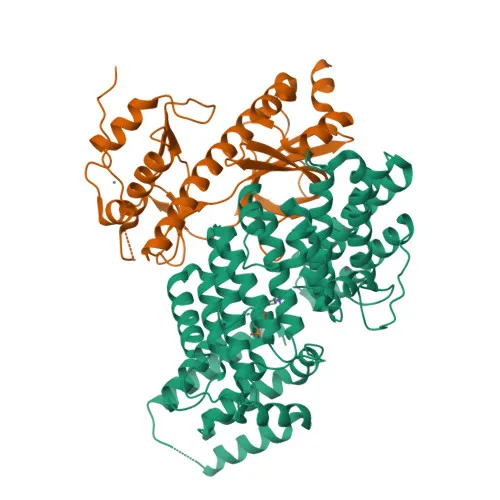
Anti-ALPK1 Rabbit Polyclonal Antibody for WB - Q96QP1
Item Number : CM0019643
Price varies based on specs and customizations
- Application
- WB
- Cross Reactivity
- Human
- Protein Weight
- 139kDa

Shipping:
Contact us to get shipping details Enjoy On-time Dispatch Guarantee.
Why Choose Us
Easy ordering process, quality products, and dedicated support for your business success.
Core Product Specifications and Parameters
| Parameter | Value |
|---|---|
| Product Name | ALPK1 Rabbit pAb |
| Remarks/Alias | LAK; ROSAH; 8430410J10Rik; ALPK1 |
| Species | Human |
| Gene ID | 80216 |
| Immunogen | Recombinant fusion protein containing a sequence corresponding to amino acids 1-473 of human ALPK1 (NP_079420.3) |
| Source | Rabbit |
| Category | Polyclonal Antibodies |
| Application | WB |
| Cross Reactivity | Human |
| SWISS | Q96QP1 |
| Protein Weight | 139kDa |
| Shipping | Ice bag |
Biological Background: ALPK1 Function and Localization
- Serine/threonine-protein kinase, also known as Chromosome 4 kinase or Lymphocyte alpha-protein kinase, encoded by the ALPK1 gene.
- Functions as a pattern recognition receptor that detects bacterial ADP-D-glycero-beta-D-manno-heptose (ADP-Heptose), a pathogen-associated molecular pattern (PAMP), initiating innate immune responses (PubMed:28222186, 28877472, 30111836). Related references: PMID:28222186, PMID:28877472, PMID:30111836
- Upon binding ADP-Heptose, ALPK1 phosphorylates and activates TIFA, triggering pro-inflammatory NF-κB signaling (PubMed:30111836, 35868845, 38060563). Related references: PMID:30111836, PMID:35868845, PMID:38060563
- May also mediate monosodium urate monohydrate (MSU)-induced inflammation by phosphorylating MYO9A (PubMed:27169898) and play a role in apical protein transport via phosphorylation of MYO1A (PubMed:15883161). Related references: PMID:27169898, PMID:15883161
- Subcellularly localized in the cytoplasm, cytoskeleton (spindle pole, centrosome), and cell projections (cilia); involved in ciliogenesis (PubMed:30967659). Related references: PMID:30967659
- Highly expressed in the liver, with lower expression in the optic nerve, retinal pigmented epithelium, macula, and extramacular retina (PubMed:30967659). Related references: PMID:30967659
Experimental Guidance and Technical Tips
- The immunogen (amino acids 1-473) provides multiple epitopes; the polyclonal antibody should recognize endogenous ALPK1 with high sensitivity.
- For western blot, load 20–30 µg of human cell or tissue lysate and expect a band near 139 kDa. Reduce cross-linking artifacts by avoiding excessive boiling of samples.
- Use positive controls such as HepG2 cells or human liver tissue; include a non-human lysate as a negative control to confirm human specificity.
- Titrate the primary antibody starting at 1:500–1:2000 dilution and optimize for your specific experimental system.
CamelBio: Your One-Stop Sourcing Bridge
CamelBio provides diagnostic manufacturers and research labs with one-stop access to IVD raw materials, including validated antibody pairs, optimized polyclonal antibodies, and bulk ancillary reagents. For innate immunity targets like ALPK1, we offer reliable sourcing of rare-target antibodies and customizable supply solutions. Partner with us to streamline your procurement from concept to clinic, supported by technical consultation and global delivery.
REQUEST A QUOTE
Our professional team will reply to you within one business day. Please feel free to contact us!