Monoclonal Antibodies
Anti-Alpha Fodrin Rabbit Monoclonal Antibody for WB, IHC-P, ELISA - Q13813
Item Number : CM0007604
Price varies based on specs and customizations
- Application
- WB, IHC-P, ELISA
- Cross Reactivity
- Human, Mouse, Rat
- Protein Weight
- 285kDa

Shipping:
Contact us to get shipping details Enjoy On-time Dispatch Guarantee.
Why Choose Us
Easy ordering process, quality products, and dedicated support for your business success.
Core Product Specifications and Parameters
| Parameter | Value |
|---|---|
| Product Name | Alpha Fodrin Rabbit mAb |
| Remarks/Alias | DEE5; NEAS; EIEE5; SPTA2; Alpha Fodrin |
| Species | Human |
| Gene ID (Human) | 6709 |
| Gene ID | 6709 |
| Immunogen | Synthetic Peptide|A synthetic peptide corresponding to a sequence within amino acids 1-100 of human Alpha Fodrin (Q13813). |
| Source | Rabbit |
| Category | Monoclonal Antibodies |
| Application | WB, IHC-P, ELISA |
| Cross Reactivity | Human, Mouse, Rat |
| SWISS | Q13813 |
| Protein Weight | 285kDa |
| Shipping | Ice bag |
Biological Background: Alpha Fodrin Function and Localization
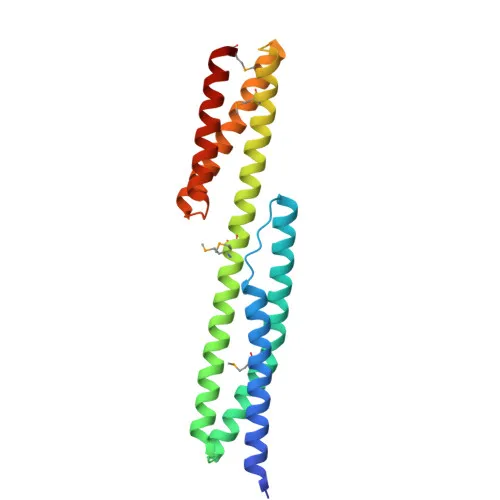
- Spectrin alpha chain, non-erythrocytic 1 (SPTAN1), also known as Alpha-II spectrin or fodrin alpha chain, is a key cytoskeletal protein encoded by the SPTAN1 gene.
- It is involved in secretion, interacting with calmodulin in a calcium-dependent manner, making it a candidate for calcium-dependent movement of the cytoskeleton at the membrane.
- The protein is a member of the spectrin family, which includes alpha and beta chains that form flexible scaffolds linking the actin cytoskeleton to the plasma membrane.
- SPTAN1 localizes to the cytoplasm, cytoskeleton, and cell cortex, where it contributes to maintaining cell shape and polarity.
- Keywords include actin capping, actin-binding, and alternative splicing, indicating roles in actin filament dynamics and structural organization.
- It has an SH3 domain, which mediates protein-protein interactions, and is subject to phosphorylation and acetylation, suggesting regulation by post-translational modifications.
- Mutations in SPTAN1 are associated with various neurological disorders, including epilepsy, intellectual disability, and spastic paraplegia, highlighting its importance in neuronal function.
Experimental Guidance and Technical Tips
- The immunogen corresponds to the N-terminal region (aa 1-100) of human Alpha Fodrin; caution should be taken when interpreting signals if the target undergoes N-terminal processing or cleavage in the sample system.
- For Western blotting, a band around 285 kDa is expected; using a high-molecular-weight transfer protocol and an appropriate loading control is recommended.
- Immunohistochemistry (paraffin) may require antigen retrieval optimization, as the large protein could be masked by fixation; consider testing a range of retrieval conditions.
- ELISA detection may be influenced by the antibody's binding to denatured or native forms; validate coating conditions for the specific assay format.
- Cross-reactivity with mouse and rat suggests a conserved epitope; however, confirm reactivity in the relevant species and tissue before large-scale experiments.
CamelBio: Your One-Stop Sourcing Bridge
CamelBio provides diagnostic manufacturers, labs, and research institutes with one-stop access to IVD raw materials, technical services, and consulting—covering every stage from concept to clinic. This Alpha Fodrin monoclonal antibody supports research in cytoskeletal dynamics and neurological disease mechanisms. We offer validated antibody pairs, bulk ancillary reagents, and rare target raw-material sourcing to streamline your assay development.
Product Datasheet
Anti-Alpha Fodrin Rabbit Monoclonal Antibody for WB, IHC-P, ELISA - Q13813
REQUEST A QUOTE
Our professional team will reply to you within one business day. Please feel free to contact us!