Monoclonal Antibodies
Anti-Alpha-Fetoprotein (AFP) Monoclonal Antibody for WB, IF/ICC, ELISA - P02771
Item Number : CM0004733
Price varies based on specs and customizations
- Application
- WB, IF/ICC, ELISA
- Cross Reactivity
- Human
- Protein Weight
- 69kDa

Shipping:
Contact us to get shipping details Enjoy On-time Dispatch Guarantee.
Why Choose Us
Easy ordering process, quality products, and dedicated support for your business success.
Core Product Specifications and Parameters
| Parameter | Specification |
|---|---|
| Product Name | Alpha-Fetoprotein (AFP) Rabbit mAb |
| Remarks/Alias | AFPD; FETA; HPAFP; Alpha-Fetoprotein (AFP) |
| Species | Human |
| GeneID (Human) | 174 |
| GeneID | 174 |
| Immunogen | Recombinant fusion protein containing a sequence corresponding to amino acids 19-609 of human Alpha-Fetoprotein (AFP) (NP_001125.1) |
| Source | Rabbit |
| Category | Monoclonal Antibodies |
| Application | WB, IF/ICC, ELISA |
| Cross Reactivity | Human |
| SWISS | P02771 |
| Protein Weight | 69kDa |
| Shipping | Ice bag |
Biological Background: Alpha-Fetoprotein Function and Localization
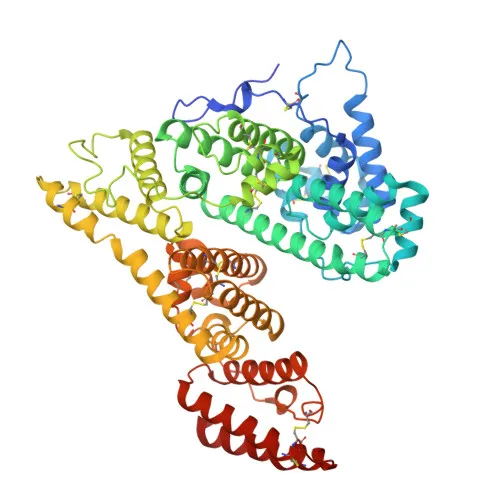
- Alpha-fetoprotein (AFP) is a major fetal plasma protein, structurally related to albumin, and functions as a transport molecule for various ligands including fatty acids, bilirubin, and metal ions such as copper and nickel.
- AFP is predominantly synthesized by the fetal liver and yolk sac, and is secreted into the fetal circulation; after birth, its levels rapidly decline, making it a useful tumor marker in adults.
- It belongs to the albuminoid gene family and shares multiple disulfide-bonded repeat domains, contributing to its carrier properties.
- Post-translational modifications include glycosylation, phosphorylation, and sulfation, which may influence its stability and function.
- AFP has a weaker affinity for bilirubin compared to serum albumin, and less than 2% of human AFP exhibits estrogen-binding activity.
- As a secreted glycoprotein, AFP is readily detectable in serum and other biological fluids, supporting its application in immunoassays for hepatocellular carcinoma and germ cell tumors.
Experimental Guidance and Technical Tips
- For Western blotting, the predicted molecular weight is ~69 kDa; note that glycosylation may cause the observed band to shift slightly higher. Validate detection under reducing and non-reducing conditions.
- When performing IF/ICC, consider that AFP is a secreted protein; intracellular staining may be enhanced by using a protein transport inhibitor (e.g., brefeldin A) to accumulate AFP in the Golgi.
- For ELISA applications, paired with a suitable detection antibody, ensure thorough validation with recombinant protein standards and appropriate biological matrix controls.
- This rabbit monoclonal antibody was generated using a near full-length recombinant immunogen (aa 19-609), which may provide broad epitope coverage; nonetheless, confirm specificity in your sample system using appropriate positive and negative controls.
CamelBio: Your One-Stop Sourcing Bridge
CamelBio empowers diagnostic manufacturers and research laboratories with streamlined access to premium IVD raw materials. For liver cancer biomarker studies and AFP-based immunoassay development, we supply validated antibody pairs, optimized recombinant monoclonal antibodies like this anti-AFP clone, bulk ancillary reagents, and customized sourcing for rare-target raw materials. Rely on CamelBio to accelerate your development pipeline from concept to clinical readiness.
REQUEST A QUOTE
Our professional team will reply to you within one business day. Please feel free to contact us!