Polyclonal Antibodies
Anti-ADSS Rabbit Polyclonal Antibody for WB, IHC-P, IF/ICC, ELISA - P30520
Item Number : CM0025021
Price varies based on specs and customizations
- Application
- WB, IHC-P, IF/ICC, ELISA
- Cross Reactivity
- Human, Mouse, Rat
- Protein Weight
- 50kDa

Shipping:
Contact us to get shipping details Enjoy On-time Dispatch Guarantee.
Why Choose Us
Easy ordering process, quality products, and dedicated support for your business success.
Core Product Specifications and Parameters
| Parameter | Value |
|---|---|
| Product Name | ADSS Rabbit pAb |
| Remarks/Alias | ADEH; ADSS; ADSS 2 |
| Species | Human |
| GeneID (Human) | 159 |
| GeneID | 159 |
| Immunogen | Recombinant protein|Recombinant fusion protein containing a sequence corresponding to amino acids 1-280 of human ADSS (NP_001117.2). |
| Source | Rabbit |
| Category | Polyclonal Antibodies |
| Application | WB, IHC-P, IF/ICC, ELISA |
| Cross Reactivity | Human, Mouse, Rat |
| SWISS | P30520 |
| Protein Weight | 50kDa |
| Shipping | Ice bag |
Biological Background: ADSS Function and Localization
- ADSS2 encodes adenylosuccinate synthetase isozyme 2, also referred to as ADSS, ADEH, ADSS 2, acidic isozyme, or liver-type ADSS.
- This enzyme catalyzes the first committed step in AMP biosynthesis from IMP, functioning in both de novo and salvage pathways of purine nucleotide metabolism.
- ADSS is a GTP-dependent ligase that requires magnesium ions for catalytic activity.
- Subcellular fractionation and immunofluorescence studies localize ADSS to both the cytoplasm and mitochondria.
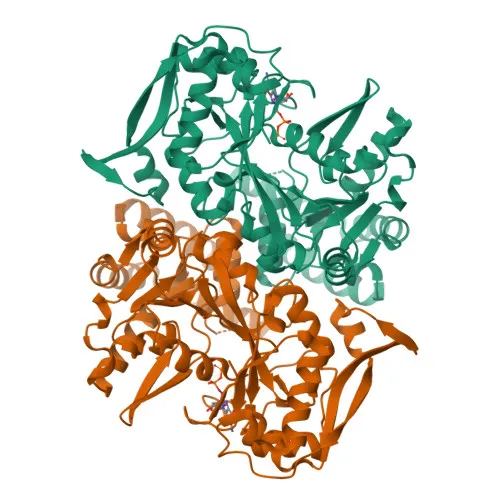
- The protein has an approximate molecular weight of 50 kDa, and its three-dimensional structure has been resolved, revealing key nucleotide-binding and active-site residues.
- As a member of the adenylosuccinate synthetase family, ADSS is essential for maintaining intracellular purine balance and supporting nucleotide demand during cell growth and division.
Experimental Guidance and Technical Tips
- This polyclonal antibody was generated against a recombinant N-terminal fragment (aa 1–280) of human ADSS, which exhibits sequence conservation across human, mouse, and rat; therefore, cross-reactivity is expected, but validation in your species of interest is advised.
- For Western blotting, a band at approximately 50 kDa is detected; use appropriate positive and negative controls from relevant tissue or cell lysates.
- In IHC-P and IF/ICC experiments, antigen retrieval and permeabilization protocols may need optimization; verify the cytoplasmic/mitochondrial distribution in known ADSS-expressing tissues.
- For ELISA, titrate the antibody and antigen to establish optimal working concentrations.
- Since ADSS exhibits dual subcellular localization, subcellular fractionation or co-localization with organelle markers can help confirm specificity.
CamelBio: Your One-Stop Sourcing Bridge
CamelBio provides diagnostic manufacturers and researchers with one-stop access to high-quality IVD raw materials, from monoclonal/polyclonal antibodies and recombinant proteins to ancillary reagents. For targets involved in purine nucleotide biosynthesis, such as ADSS, our catalog includes validated antibodies and custom sourcing services to support your diagnostic assay development. Partner with CamelBio to accelerate your project from concept to clinic with reliable reagents and expert technical guidance.
Product Datasheet
Anti-ADSS Rabbit Polyclonal Antibody for WB, IHC-P, IF/ICC, ELISA - P30520
REQUEST A QUOTE
Our professional team will reply to you within one business day. Please feel free to contact us!