Polyclonal Antibodies
Anti-ADSL Polyclonal Antibody for WB, IF/ICC, ELISA - P30566
Item Number : CM0025815
Price varies based on specs and customizations
- Application
- WB, IF/ICC, ELISA
- Cross Reactivity
- Human, Mouse, Rat
- Protein Weight
- 55kDa

Shipping:
Contact us to get shipping details Enjoy On-time Dispatch Guarantee.
Why Choose Us
Easy ordering process, quality products, and dedicated support for your business success.
Core Product Specifications and Parameters
| Parameter | Value |
|---|---|
| Product Name | ADSL Rabbit pAb |
| Remarks/Alias | ASL; AMPS; ASASE; ADSL |
| Species | Human |
| GeneID (human) | 158 |
| GeneID | 158 |
| Immunogen | Recombinant fusion protein containing a sequence corresponding to amino acids 1-310 of human ADSL (NP_000017.1) |
| Source | Rabbit |
| Category | Polyclonal Antibodies |
| Application | WB, IF/ICC, ELISA |
| Cross Reactivity | Human, Mouse, Rat |
| SWISS | P30566 |
| Protein Weight | 55kDa |
| Shipping | Ice bag |
Biological Background: ADSL Function and Localization
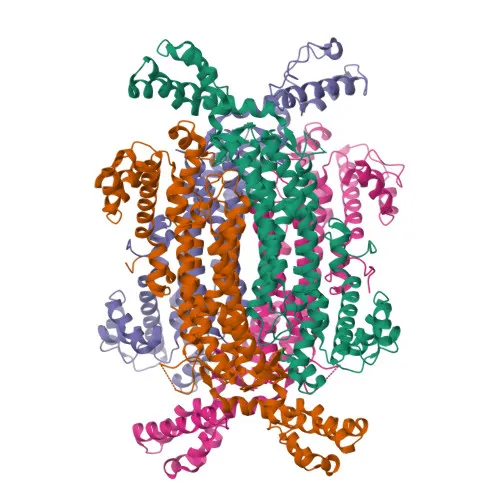
- Adenylosuccinate lyase (ADSL), also known as adenylosuccinase (ASase), is a key enzyme in the de novo purine biosynthetic pathway.
- It catalyzes two non-sequential reactions: the conversion of SAICAR to AICAR plus fumarate in the IMP synthesis pathway, and the conversion of succinyladenosine monophosphate (SAMP) to AMP and fumarate.
- ADSL is encoded by the ADSL gene (GeneID: 158) and is ubiquitously expressed across human tissues; both isoforms are produced, with isoform 2 being approximately 10-fold less abundant than isoform 1.
- The protein undergoes post-translational modifications including acetylation and isopeptide bond formation, and it has been identified by proteomics and direct protein sequencing.
- Mutations in ADSL are associated with adenylosuccinase deficiency, a disorder characterized by epilepsy and other neurological symptoms, highlighting its importance in purine metabolism.
- The protein belongs to the lyase family and has a calculated molecular weight of approximately 55 kDa (UniProt: 54889 Da), consistent with the immunogen design.
Experimental Guidance and Technical Tips
- For Western blot (WB), consider using standard blocking and detection protocols; the predicted band size of ~55 kDa may require appropriate gel percentage and transfer conditions.
- Immunofluorescence/immunocytochemistry (IF/ICC) may benefit from optimization of fixation and permeabilization steps, as well as antibody titration to reduce background.
- ELISA applications can be explored for quantifying ADSL in cell or tissue lysates; pairing with a capture antibody from a different species or epitope may improve assay performance.
- The antibody is polyclonal and cross-reacts with human, mouse, and rat samples; validate in the relevant species and sample type to confirm specificity.
CamelBio: Your One-Stop Sourcing Bridge
CamelBio is a trusted one-stop sourcing partner for IVD raw materials, supporting diagnostic manufacturers and research teams with validated antibody pairs, optimized polyclonal antibodies like this anti-ADSL product, and bulk ancillary reagents. We facilitate procurement across the full development pipeline, from early research on purine metabolism to clinical assay scale-up, and can source rare-target raw materials upon request. Let CamelBio streamline your supply chain so you can focus on innovation.
REQUEST A QUOTE
Our professional team will reply to you within one business day. Please feel free to contact us!