Polyclonal Antibodies
Anti-ADORA3 Polyclonal Antibody for WB, ELISA - P0DMS8
Item Number : CM0022160
Price varies based on specs and customizations
- Application
- WB, ELISA
- Cross Reactivity
- Mouse, Rat
- Protein Weight
- 36kDa

Shipping:
Contact us to get shipping details Enjoy On-time Dispatch Guarantee.
Why Choose Us
Easy ordering process, quality products, and dedicated support for your business success.
Core Product Specifications and Parameters
| Parameter | Value |
|---|---|
| Product Name | ADORA3 Rabbit pAb |
| Remarks/Alias | A3AR; ADORA3 |
| Species | Human |
| GeneID (Human) | 140 |
| GeneID | 140 |
| Immunogen | Synthetic peptide|A synthetic peptide corresponding to a sequence within amino acids 50-150 of human ADORA3 (NP_000668.1). |
| Source | Rabbit |
| Category | Polyclonal Antibodies |
| Application | WB, ELISA |
| Cross Reactivity | Mouse, Rat |
| SWISS | P0DMS8 |
| Protein Weight | 36kDa |
| Shipping | Ice bag |
Biological Background: ADORA3 Function and Localization
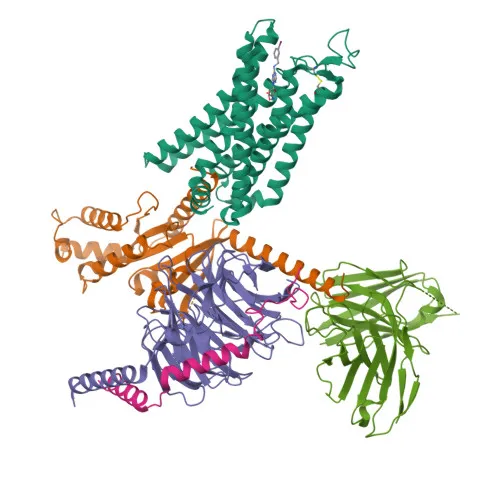
- G protein-coupled receptor (GPCR) for adenosine that plays significant roles in immune regulation, cardioprotection and neuroprotection.
Related references: PMID:38627384, PMID:40825947, PMID:9837869 - Functions as a receptor for N(6)-methylated adenine (m6A)-modified adenosines derived from RNA degradation, including N(6)-methyladenosine (m6A), N(6),N(6)-dimethyladenosine (m6,6A) and N(6)-isopentenyladenosine (i6A).
Related references: PMID:33472058, PMID:39511145 - Preferentially couples to inhibitory G protein (Gi), suppressing adenylate cyclase activity and reducing intracellular cAMP levels.
Related references: PMID:33472058, PMID:38627384 - Upon adenosine binding, mediates cardioprotective anti-apoptotic effects primarily via the ERK1/2 and PI3K pathways.
Related references: PMID:9837869 - Participates in the modulation of synaptic plasticity, including long-term potentiation (LTP) and long-term depression (LTD) in the hippocampus.
- In lung mast cells, activation contributes to the type I allergic response by facilitating mast cell degranulation and histamine release.
- Highly expressed in inflammatory cells such as neutrophils and mast cells; inhibits neutrophil degranulation and reduces superoxide production, thereby modulating inflammatory responses.
Related references: PMID:9164961 - Expressed in the lung and bone (lower levels in osteosarcoma tissues); localized to the cell membrane as a multi-pass protein; undergoes alternative splicing, glycosylation, and palmitoylation.
Experimental Guidance and Technical Tips
- The immunogen corresponds to amino acids 50–150 of human ADORA3; this region may include extracellular or intracellular loops; verify reactivity with native receptor in your specific experimental system.
- For Western blot (WB), expect a band near 36 kDa; use reducing conditions and include positive control lysates from human lung or bone tissues, or ADORA3-expressing cell lines.
- For ELISA, consider using the immunizing peptide as a positive control for plate coating; test cross-reactivity with mouse and rat samples as indicated.
- Given the GPCR nature of ADORA3, membrane protein extraction protocols may improve detection sensitivity.
- Rabbit polyclonal antibodies may exhibit lot-to-lot variability; optimize blocking and dilution conditions to minimize non-specific binding.
CamelBio: Your One-Stop Sourcing Bridge
CamelBio provides comprehensive procurement support for IVD raw materials, including validated antibody pairs, optimized monoclonal and polyclonal antibodies, bulk ancillary reagents, and sourcing for rarely available targets. For researchers working on adenosine receptor A3 (ADORA3) signaling and immunomodulation, we offer expert assistance in acquiring specialized reagents and customized production solutions. Contact CamelBio to streamline your diagnostic development from concept to clinic.
REQUEST A QUOTE
Our professional team will reply to you within one business day. Please feel free to contact us!